Bitcoin (BTC) news

JPYC breaks yen parity after Upbit listing
Why it matters: The case shows that liquidity and bridges matter more than formal parity: even a fully backed stablecoin can drift when demand surges on a new exchange.

Crypto market cap rises to $2.73T: bitcoin at $77,488, Zcash up 10% in a day
Why it matters: The market is rising amid the SEC exemption for tokenized equities, but bitcoin's weekly performance remains weak.
Willy Woo: Fisher Transform signals a bitcoin bottom for the fourth time
Why it matters: A signal from a well-known analyst could support expectations of a cycle reversal, but does not guarantee a change in trend.
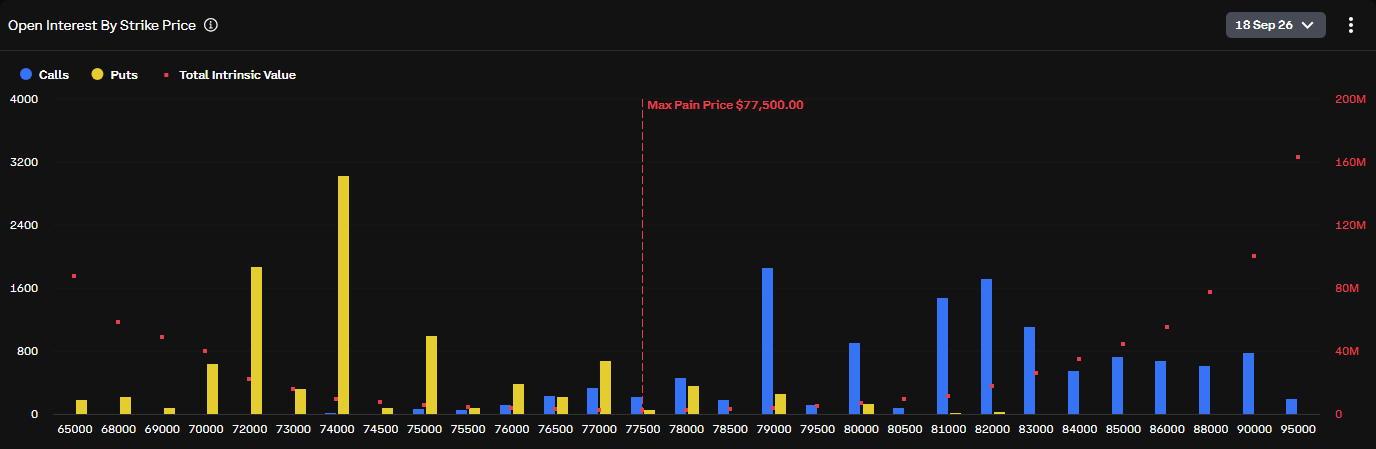
Bitcoin options: open interest at $1.75B, put/call at 0.78 — calls dominate
Why it matters: The dominance of calls and concentration of open interest in $74,000 puts point to expectations of gains with protection against a pullback.

Fake AI crypto advisor swaps wallets in browsers
Why it matters: The attack targets the most popular wallets through legitimate signatures and ads, so users should verify extensions and avoid running third-party 'AI traders'.

WLD climbs 14.73% to $0.416 amid market-wide short squeeze
Why it matters: WLD's rally stems from a market-wide short squeeze rather than its own catalyst, raising the risk of a pullback if momentum fades.

Bank of England holds rate at 3.75% as Fed hikes to 4%
Why it matters: The divergence between the Fed and the Bank of England heightens volatility in the dollar and risk assets, including bitcoin, amid uncertainty over the rate path.

Bitcoin returns to $77,000 after Bank of Japan rate hike and oil pullback
Why it matters: Easing oil and bond pressure has revived risk appetite, but a hawkish FOMC and the CLARITY Act's failure cap BTC's upside.
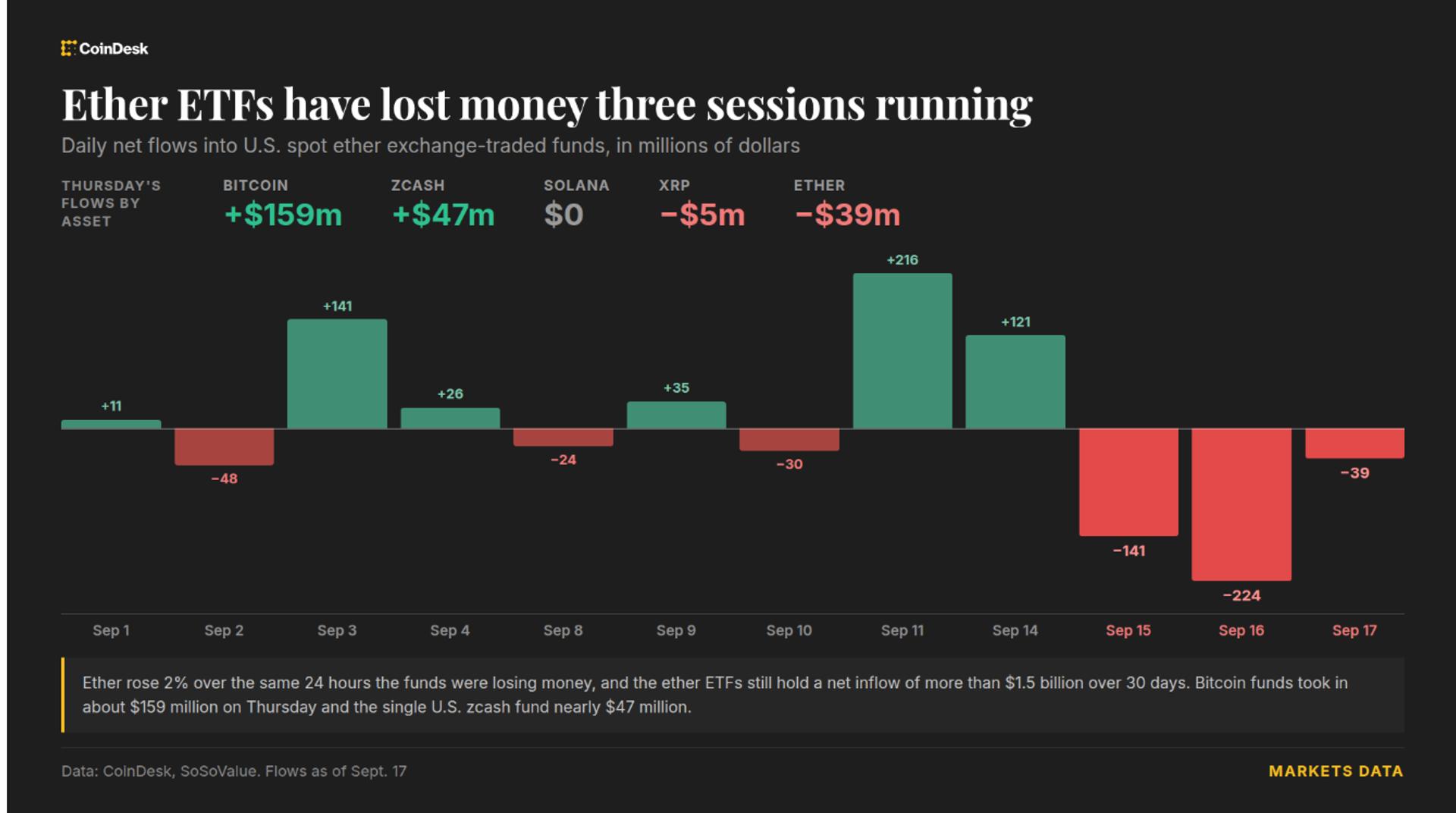
Ethereum ETFs see third straight day of outflows; bitcoin above $77,000
Why it matters: Outflows from ETH funds even as the token's price rises show institutions are cutting exposure, while demand shifts toward BTC and ZEC.
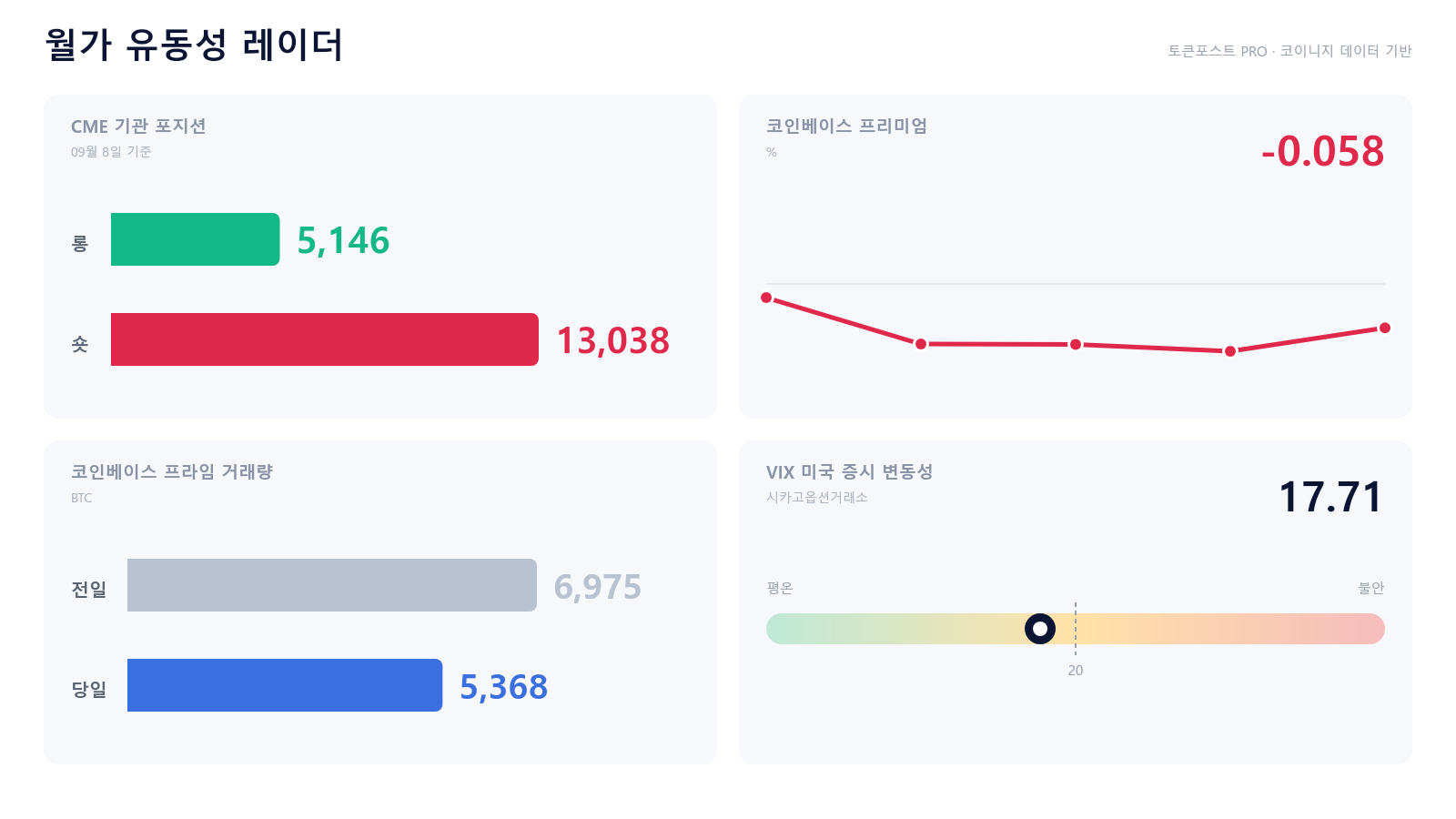
Coinbase Premium negative for fifth day, Prime volume drops 23%
Why it matters: A return of the premium to positive territory and a rebound in Prime volume would signal recovering demand from U.S. institutions.

Bitcoin rises 2.11% to $77,377, tests $77,500 resistance after Fed decision
Why it matters: A rally without volume suggests reduced selling rather than capital inflow; a break above $78,200 will determine the next direction.

Bitcoin rises to $77,308 as trading volume falls 26.8%
Why it matters: Price gains without volume and BTC inflows to exchanges point to weak buyer confidence and pullback risk.
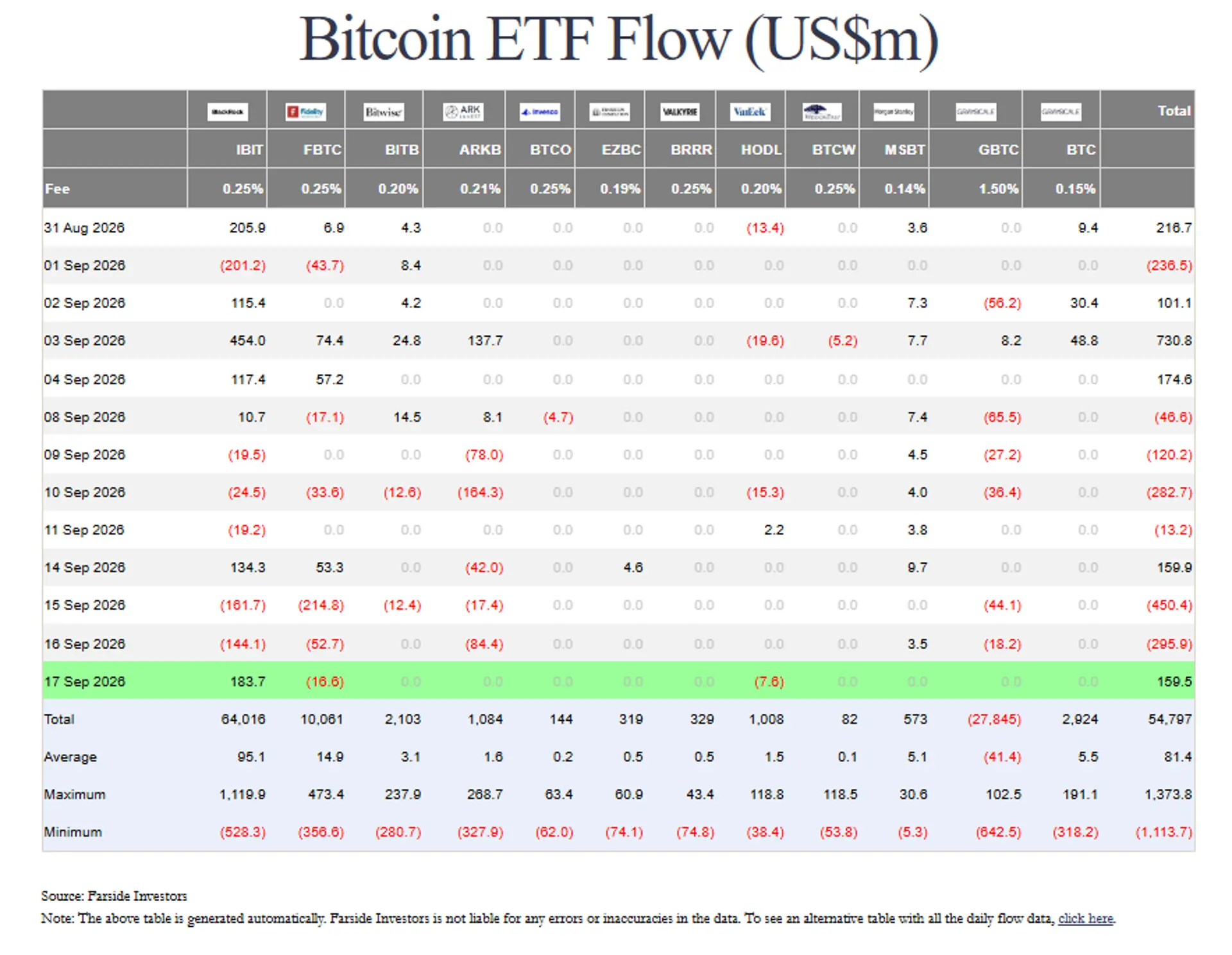
US spot bitcoin ETFs draw $159.5M, led by BlackRock's IBIT
Why it matters: The return of inflows signals a recovery in institutional demand for bitcoin after two days of selling.
Moscow Exchange to launch 5 crypto perpetuals for qualified investors on September 22
Why it matters: Expanding regulated crypto access in Russia could boost derivatives liquidity, but only among professional investors.

Buterin: 90% of my net worth depends on crypto security
Why it matters: The debate sets a framework for assessing AI-attack risks to blockchains and Ethereum's verification priorities.

Bitcoin holds above $77,000 as NEAR and UNI post double-digit gains
Why it matters: NEAR and UNI gains against a steady bitcoin point to capital rotation into DeFi and L1 altcoins.
iCapital: 10-year US Treasury yields seen in 4.5-5.3% range
Why it matters: Rising US Treasury yields increase pressure on bitcoin and risk assets, capping crypto market upside.

Bitcoin Tries to Hold Above $77,000 After $142M Short Squeeze
Why it matters: A break above $77,600 could accelerate gains via forced buying, but losing $76,000 risks liquidating longs in the $75,500–75,800 zone.

US Sanctions Iranian Exchange BitBank, Seeks Forfeiture of $61M in USDT
Why it matters: The USDT freeze shows that a centralized issuer remains a pressure lever, and exchanges with Middle East clients face tighter scrutiny.
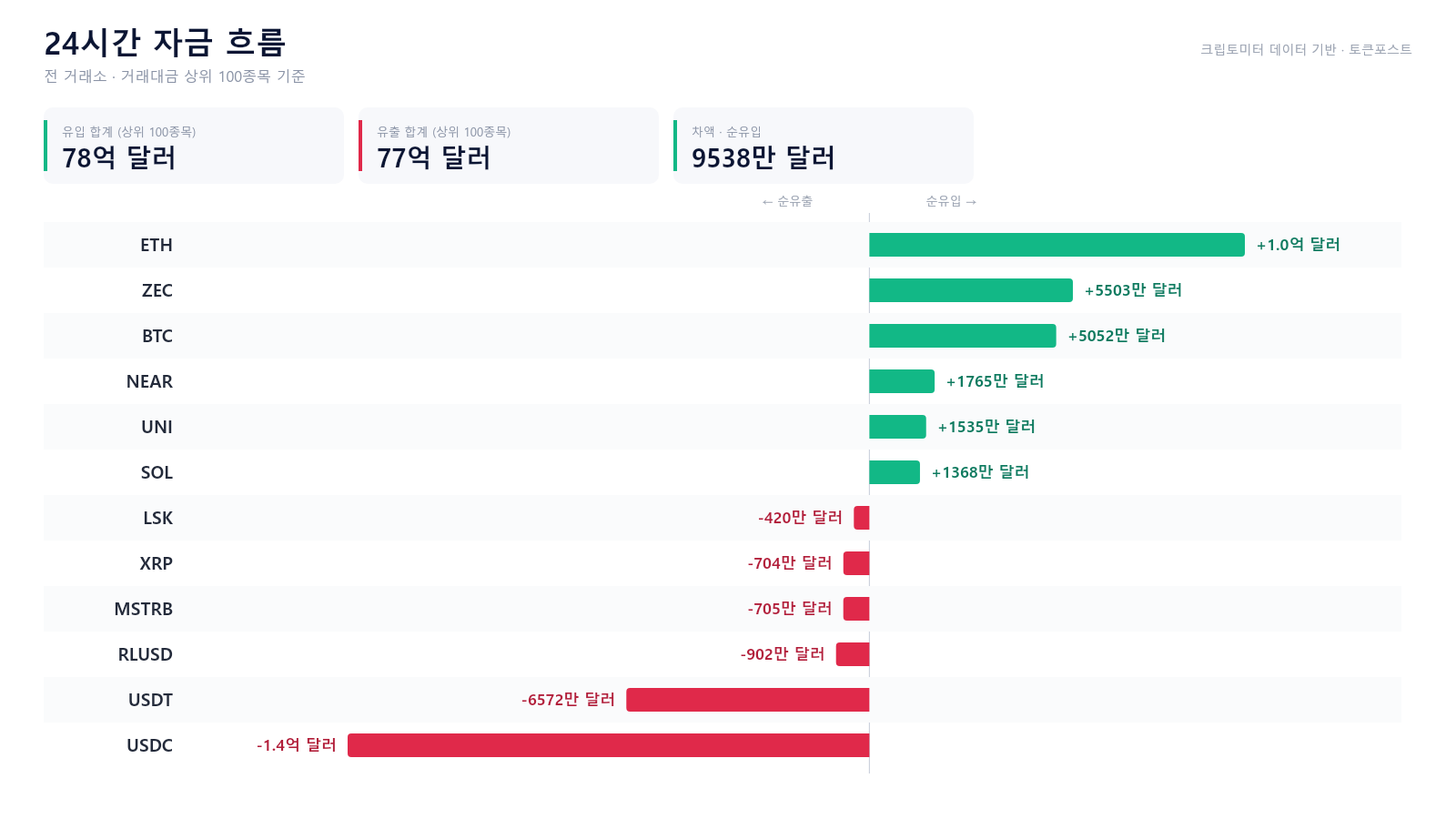
ETH Draws $102M Inflow, BTC $51M, as USDC and USDT See Outflows
Why it matters: Capital rotating out of stablecoins into ETH, BTC and ZEC points to rising risk appetite among large holders.