Bitcoin (BTC) news
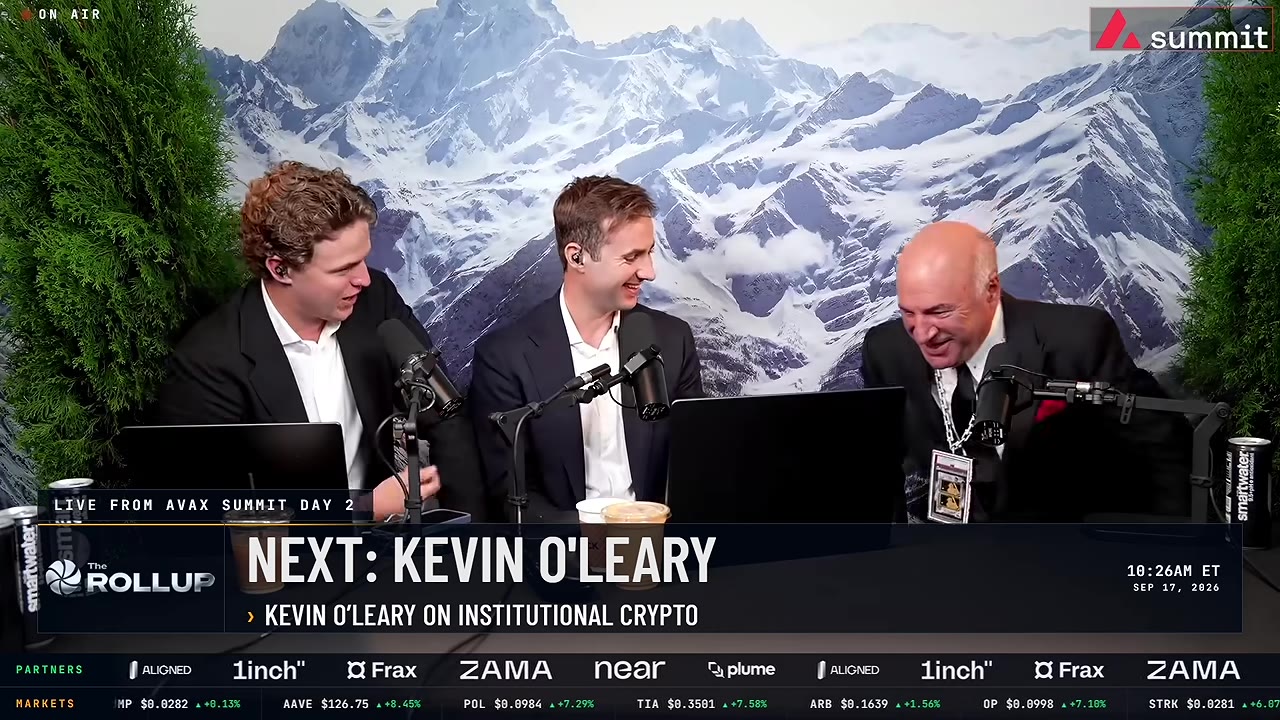
Kevin O'Leary: Crypto Will Become the 12th S&P Sector, Exchange-Backed Blockchain Will Win
Why it matters: The signal is that institutions are choosing blockchains for specific assets rather than a single standard, which shifts the balance of power among L1s.

Bitcoin Touches $82,000 Amid SEC Tokenization Push
Why it matters: Bitcoin's continued rise toward $82,000 strengthens expectations of a breakout above the $83,000-$86,000 resistance.
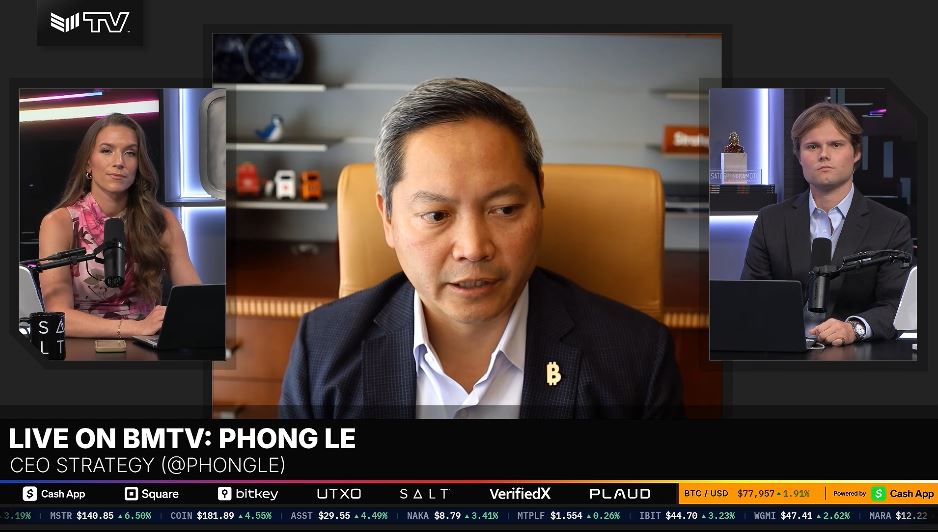
Strategy CEO: Major Global Banks Will Enter Bitcoin Market Within a Year
Why it matters: Major banks entering custody and tokenization could accelerate institutional inflows into bitcoin and intensify competition with crypto exchanges.

Strategy's unrealized Bitcoin profit climbs to $5.02B
Why it matters: The largest Bitcoin treasury returning to profit strengthens the case for corporate demand for BTC.
VanEck gives Metaplanet the only 'Bad' rating over executive pay scheme
Why it matters: VanEck's complaints about dilution at DAT companies could increase pressure on Bitcoin treasury stocks and their ability to raise capital.
Crypto market cap returns to $2.8 trillion, BTC rises to $81,914
Why it matters: The return of market capitalization to $2.8 trillion and the altcoin rally signal a recovery in risk appetite after BTC fell below $75,000.
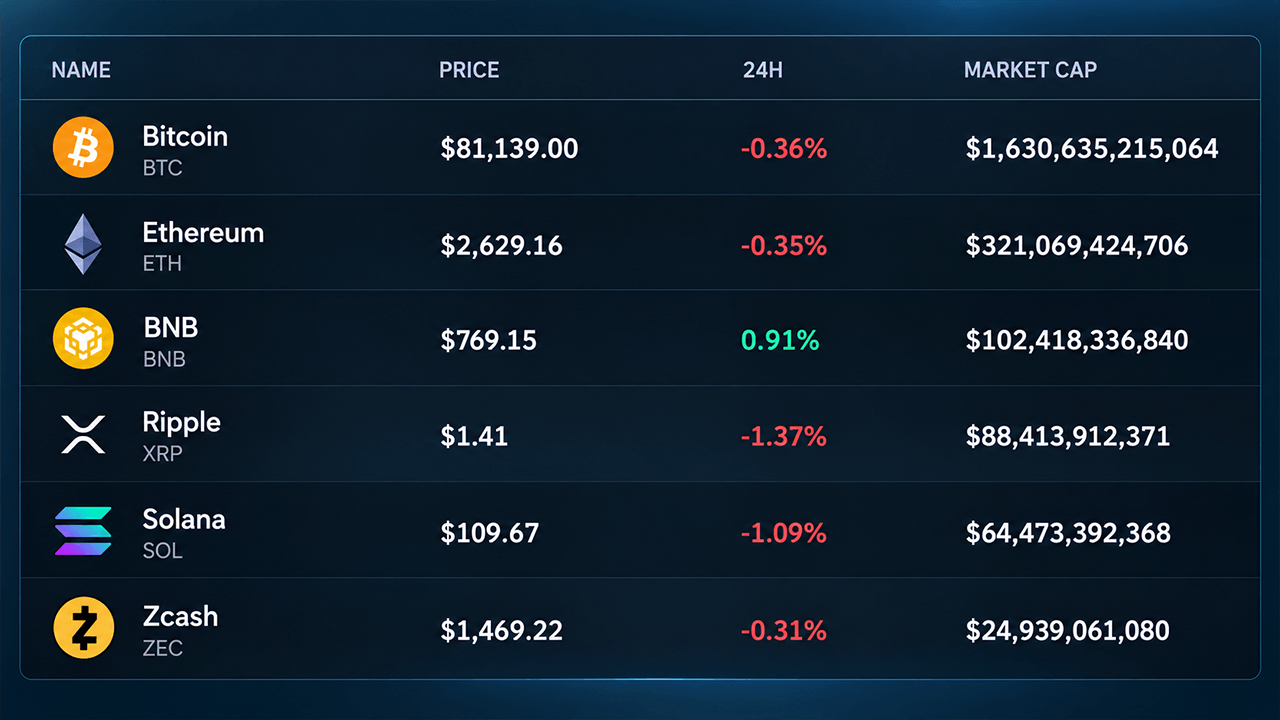
Weekly review: Bitcoin back at $81,000, ZEC and HYPE hit new highs
Why it matters: The break of the ETH/BTC pair's five-year downtrend is seen by analysts as a signal of an early altseason phase.
Armstrong: can't wait for Congress, SEC and CFTC rules are the next path
Why it matters: Shifting U.S. crypto regulation from Congress to the SEC and CFTC will speed up rulemaking but creates the risk of reversal under a new administration.

Crypto Fear and Greed Index falls to 70, still in greed zone
Why it matters: The index remains in the greed zone, signaling elevated optimism and the risk of a correction if sentiment worsens.

Kyle Samani: crypto market bottom is in, Solana is the main beneficiary
Why it matters: The statement by a major venture investor reinforces the narrative of capital rotation into Solana and weakening Ethereum's position.
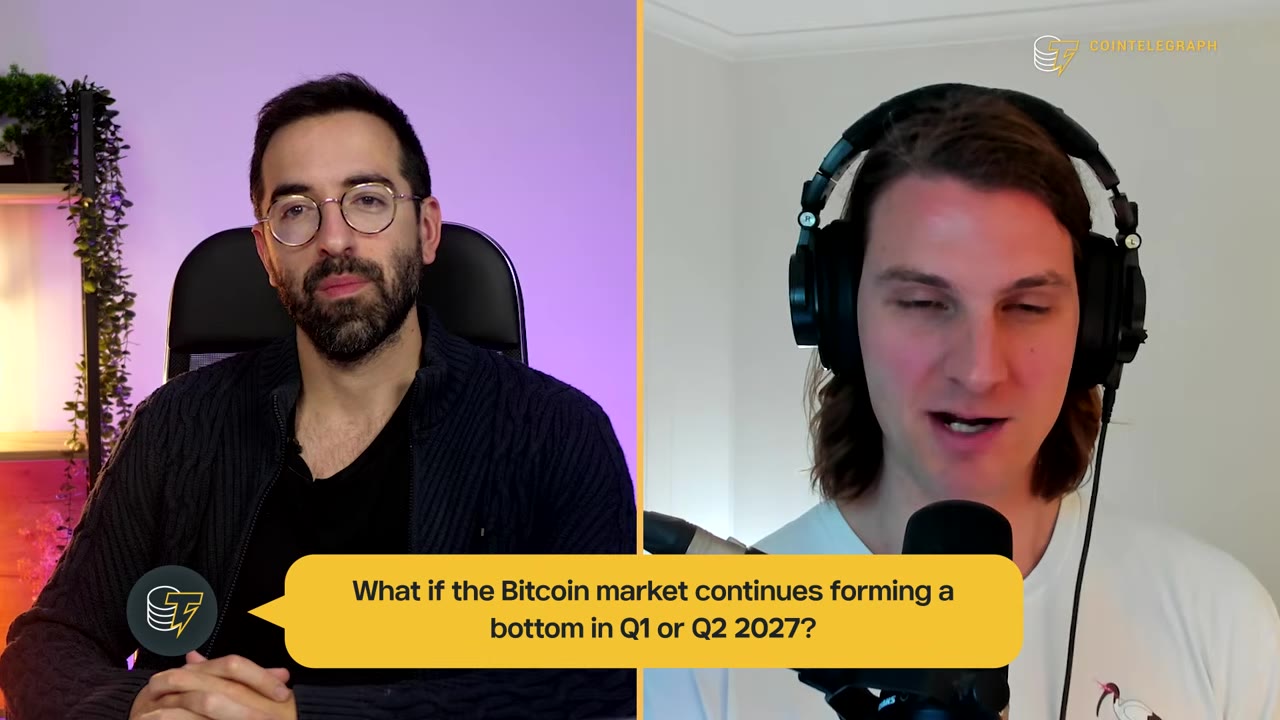
Analyst James Check: Bitcoin has seen two capitulation flushes and is forming a bottom
Why it matters: It is an argument for the end of the bearish phase: fewer sellers and coins returning to profit could strengthen demand on the next correction.
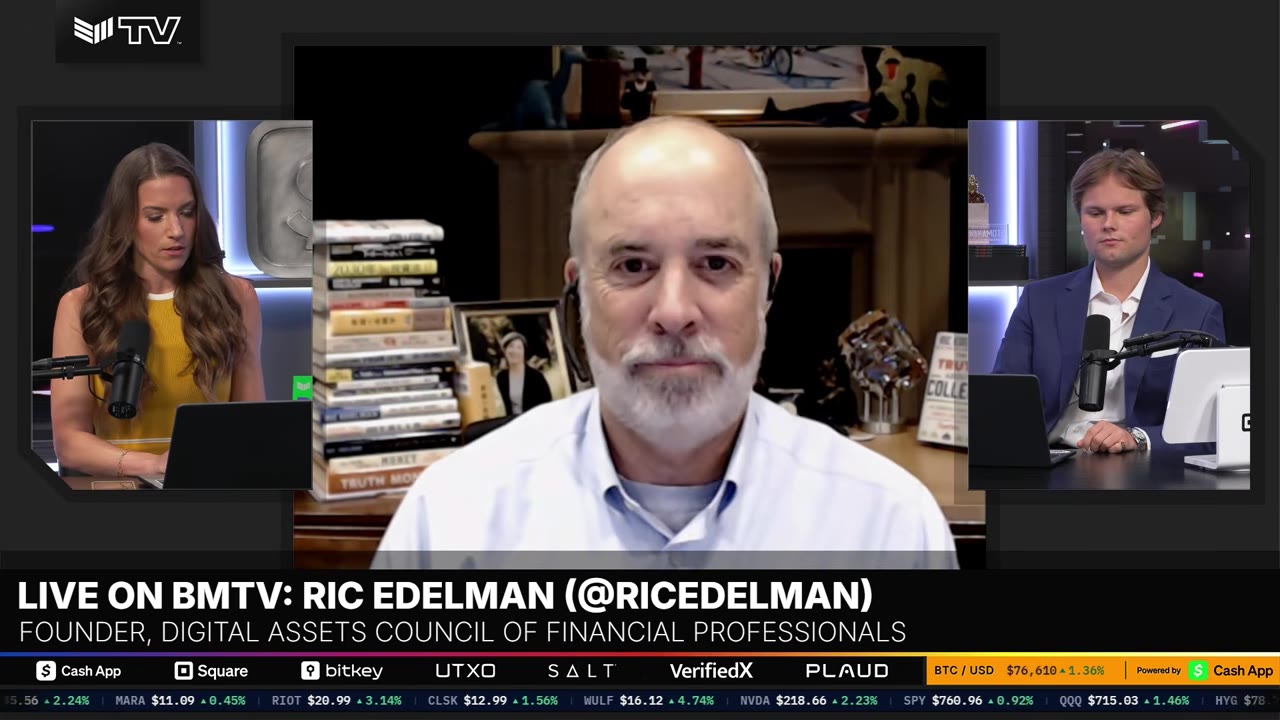
Ric Edelman: Bitcoin has become a legitimate asset class in advisory
Why it matters: A signal of bitcoin adoption by advisers supports institutional capital inflows and demand for spot ETFs.
Garrett Jin closes three-month ZEC short with $36.13M loss
Why it matters: A large ZEC short was closed as the coin rallied, confirming pressure on sellers of privacy tokens.
Galaxy: BTC closes week above 50-week average for first time in 45 weeks
Why it matters: The signal is seen as confirmation of a trend reversal, which could boost institutional demand for BTC.
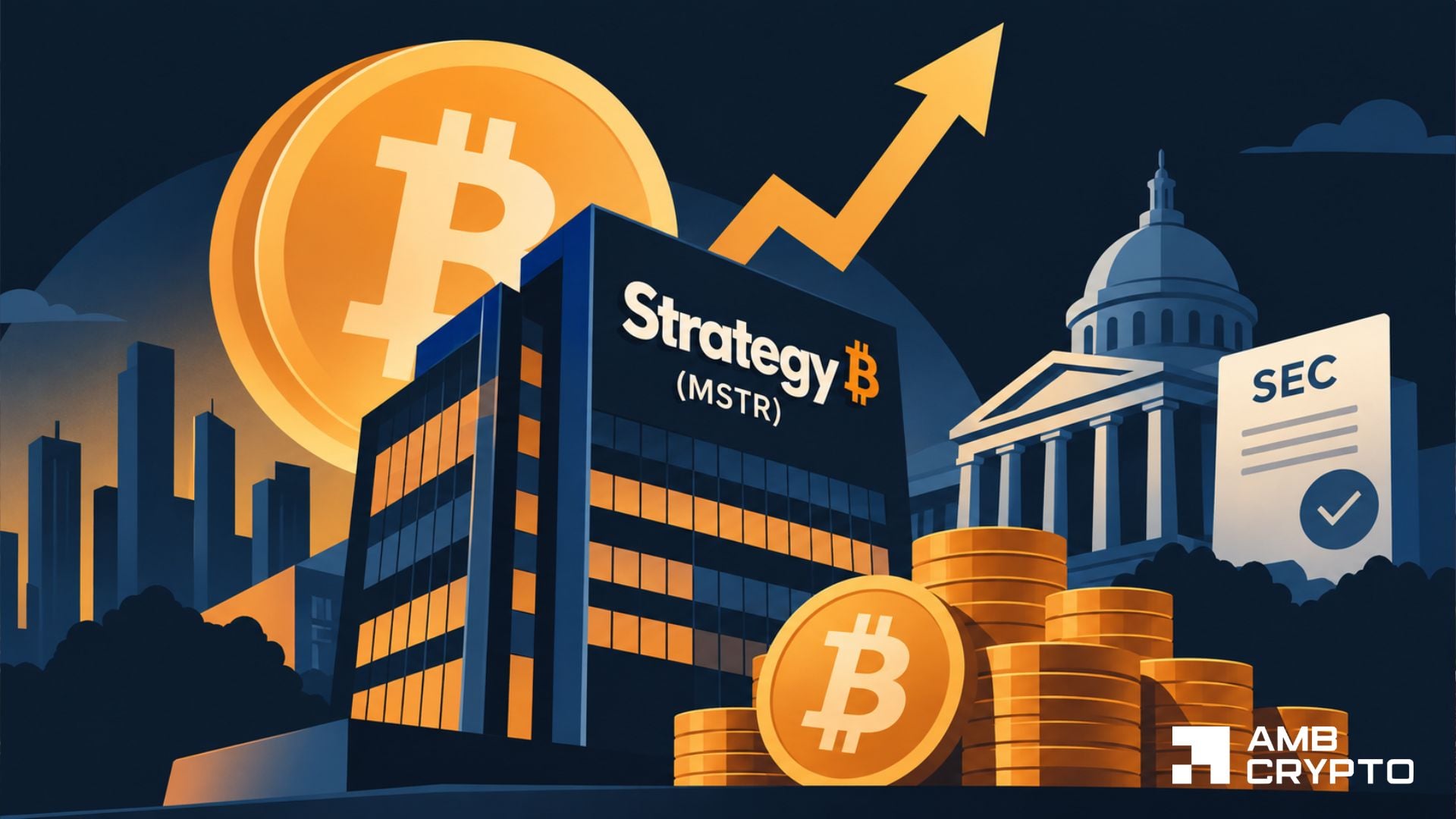
Strategy shares jump 16.39% on 845,000 BTC treasury
Why it matters: MSTR's rally depends directly on BTC's price, so further stock gains require sustained bitcoin demand.

World Liberty Financial's USD1 tops $60B cumulative Binance volume
Why it matters: USD1's growth intensifies competition among stablecoins and shows Binance remains a key venue for their circulation.

Bitcoin stalls at $81,175 as market awaits Fed rate hike fallout
Why it matters: The market is frozen in a narrow range: holding BTC above $80,000 and ETH above $2,580–2,600 will determine whether the rebound continues.

US DOE launches $215M quantum race: risks for Bitcoin
Why it matters: Quantum progress accelerates debate over migrating Bitcoin to post-quantum signatures (BIP-360/361), which could take years.

Bitcoin trades at 1.4% discount on South Korean exchanges
Why it matters: The discount points to weak retail demand in Korea, whose flows have historically led global moves.

STX jumps 15.63% to $0.325 on Genesis Bond Stacks demand
Why it matters: Institutional staking in the BTC-linked Genesis Bond creates structural demand for STX, but overbought conditions threaten a correction toward the SMA-20 at $0.27.