Bitcoin (BTC) news

Bitcoin trades at 1.4% discount on South Korean exchanges
Why it matters: The discount points to weak retail demand in Korea, whose flows have historically led global moves.

STX jumps 15.63% to $0.325 on Genesis Bond Stacks demand
Why it matters: Institutional staking in the BTC-linked Genesis Bond creates structural demand for STX, but overbought conditions threaten a correction toward the SMA-20 at $0.27.
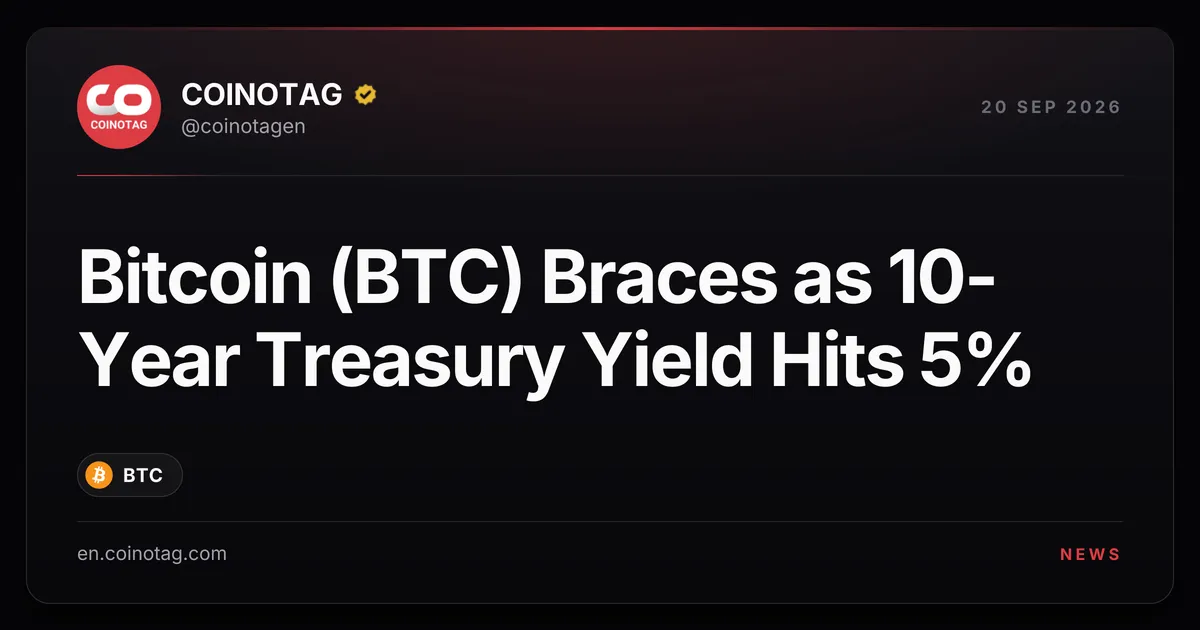
US 10-year Treasury yield hits 5%, pressuring bitcoin and risk assets
Why it matters: Rising US Treasury yields increase pressure on bitcoin and risk assets, raising the risk of a correction.

Cardano rejects Input Output's 12.29M ADA request as Hoskinson drops 'Cardano first' policy
Why it matters: Cardano showed its treasury is not controlled by the founding company, but the network will now have to compete for Input Output's future products.

Bitcoin retreats to $80,800, putting $80,000 support at risk
Why it matters: Holding $80,000 will determine whether a new wave of selling begins or a rebound toward $86,000 unfolds via short liquidations.

Bitcoin holds near $78,000 ahead of Fed decision as market prices 90% odds of a hike
Why it matters: The Fed's September 16 decision will set short-term direction: a rate hike would increase pressure on risk assets and could send BTC to $70,000.

BlackRock: Bitcoin still diversifies portfolios even as Wall Street capital flows in
Why it matters: Support from the world's largest asset manager strengthens the case for including BTC in institutional portfolios.

US prepares sanctions on International Criminal Court, including transaction ban
Why it matters: Sanctions on the ICC show that dollar stablecoins and Bitcoin offer no sanctions workaround because of OFAC screening at exchanges and issuers.

Bitcoin at $81,120 with major liquidation zones at $12.9 billion and $8.5 billion ahead
Why it matters: Dense liquidation zones above and below mean volatility will spike sharply if either level is breached.

Multicoin co-founder says crypto market too optimistic, correction possible
Why it matters: A signal of cooling U.S. demand and a warning about overheating could make traders more cautious at current levels.

Liquid loses nearly 4,000 BTC to software flaw, not stolen keys
Why it matters: The incident shows that key protection does not guarantee asset safety: software vulnerabilities and insurance payout limits shift losses onto customers.
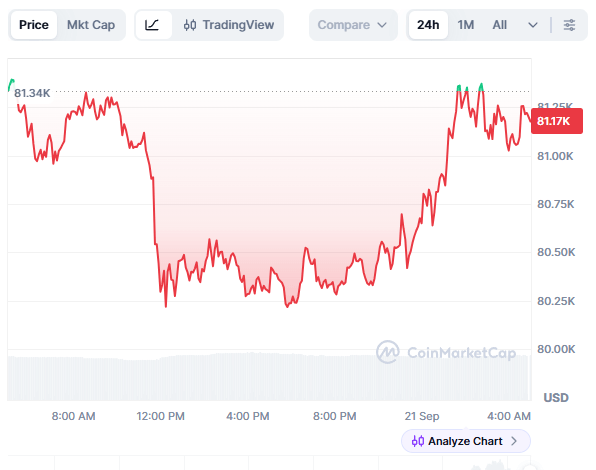
Crypto market softens: bitcoin at $81,161, ethereum at $2,632
Why it matters: Falling derivatives volumes and BTC's shrinking share suggest a pause in position-building ahead of fresh macro and regulatory triggers.
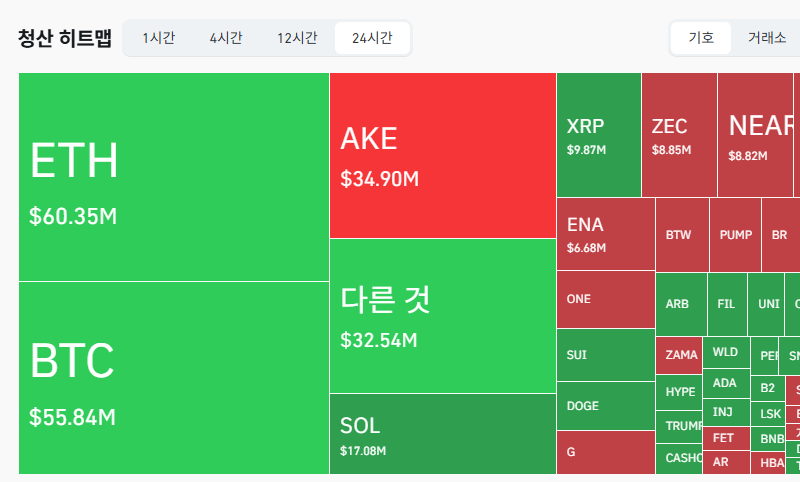
$184.05 million liquidated in 24 hours, 60.81% longs
Why it matters: The dominance of long liquidations signals market caution after the pullback from $82,000 and the risk of further declines if $80,000 breaks.

$445 million in short liquidations pushes Bitcoin above $81,000
Why it matters: Mass short closures reinforce Bitcoin's upward momentum and could accelerate a move toward $82,000 resistance.

Morgan Stanley questions Fed's approach to price stability under Warsh
Why it matters: Fewer signals from the Fed mean higher volatility in rates and risk assets, including bitcoin, which is already reacting to the regulator's decisions.

IEA: Data center power consumption to reach 950 TWh by 2030
Why it matters: Rising data center power demand intensifies miners' competition for electricity, but opens the opportunity to monetize infrastructure through AI.

Bloomberg analyst: Bitcoin ETFs could triple gold ETF assets
Why it matters: The forecast points to potential long-term capital inflows into bitcoin ETFs, but current weekly outflows show demand instability.

Grayscale confirms bitcoin bottom at $58,000 and tells clients to buy
Why it matters: A major asset manager publicly confirming the bottom and recommending buying could support institutional demand for BTC.

Gazprom launches pilot mining project at depleted Siberian gas field
Why it matters: Russia is monetizing associated gas through mining to bypass sanctions, which boosts hash rate and pressures miner profitability.
Analyst: weekly close above 50-week average would confirm BTC bull market
Why it matters: A weekly close above the 50-week average would separate a bullish reversal from a repeat of the January and May 2026 corrections.