Bitcoin (BTC) news
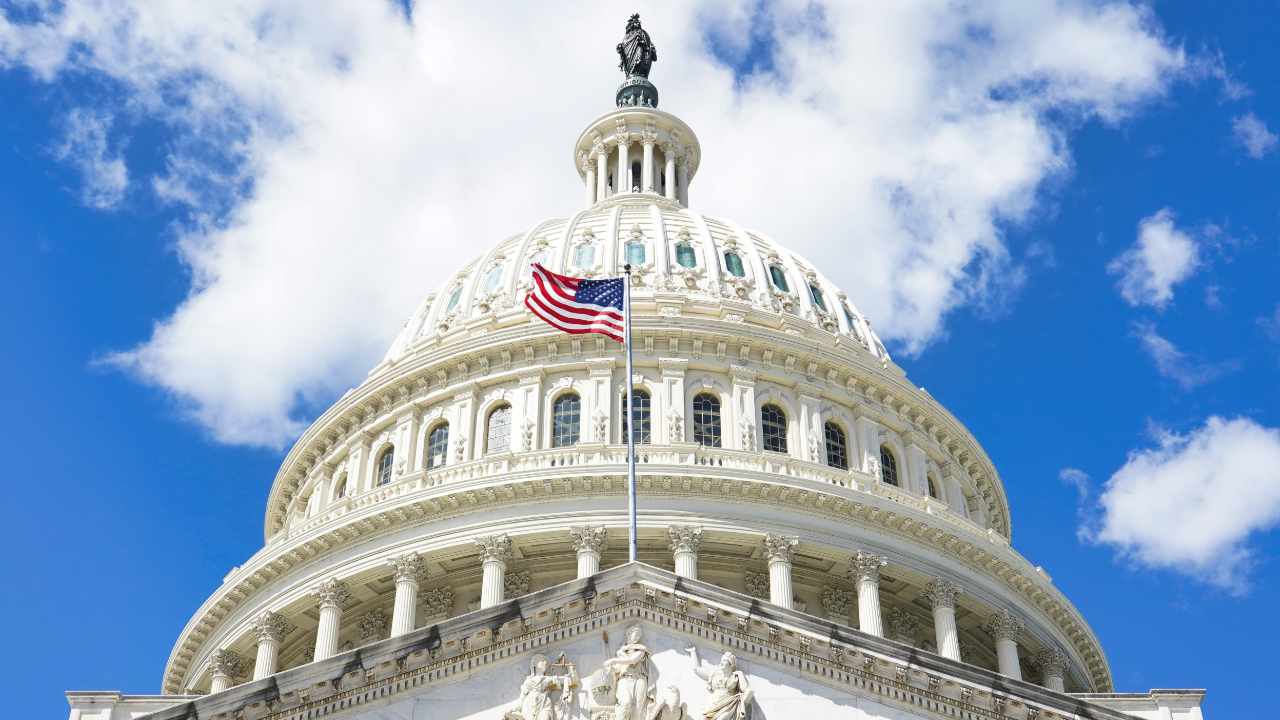
House committee approves U.S. bitcoin reserve bill with 20-year holding period
Why it matters: Enshrining the reserve in law would protect it from reversal by future presidents and reduce selling pressure on the market.
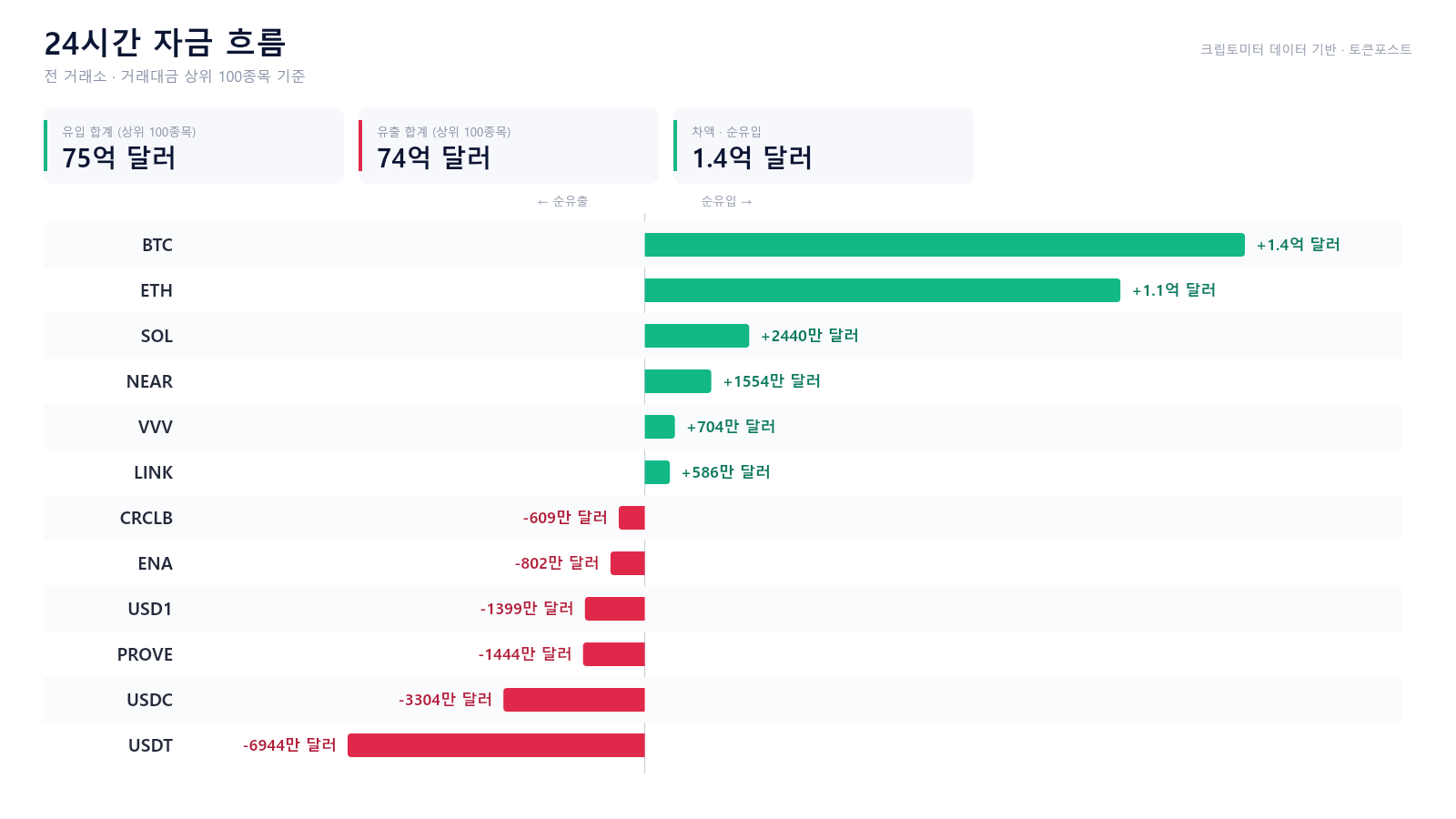
24-hour flows: $140M into BTC, $111M into ETH, outflows from USDT and USDC
Why it matters: Capital rotating out of stablecoins into BTC and ETH points to rising risk appetite and demand for major assets.
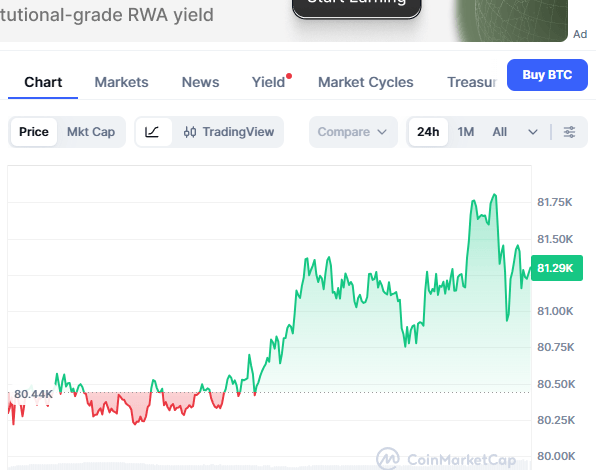
Crypto market rises: Bitcoin $81,298, Ethereum $2,660
Why it matters: Falling BTC dominance and rising derivatives volumes point to capital rotation into altcoins and growing speculative activity.

Crypto market cap back at $2.8T as whale sells 1,107 BTC and stakes 34,422 ETH
Why it matters: Rising market cap and capital moving from BTC into staked ETH signal a shift in large holders' preferences.

Crypto liquidations double to $406.77M, 59% from shorts
Why it matters: Key levels for BTC are holding $80,500 and reclaiming $82,000; a break lower would open the way to liquidity at $79,500.

Bitcoin at $81,500, Ethereum +2.6%: $387M liquidated, Fear & Greed at 70
Why it matters: The rally is driven mainly by short squeeze rather than fresh demand; the key level for BTC is $82,000.
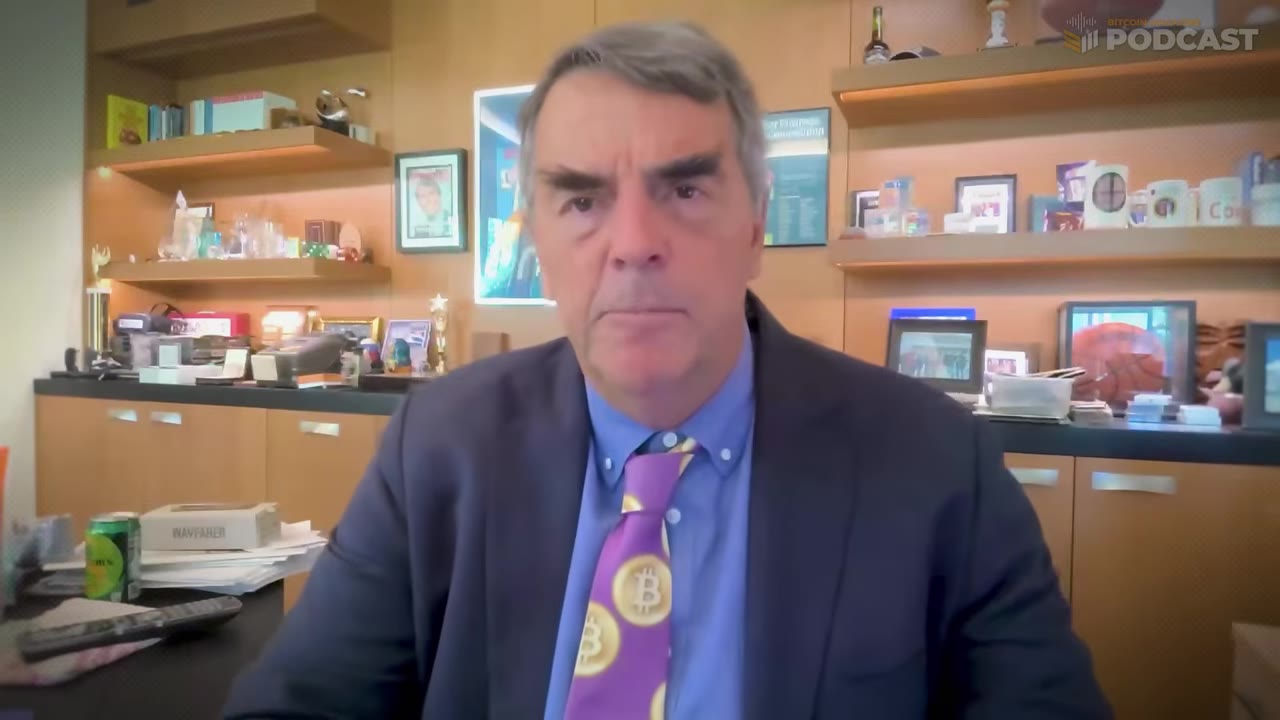
Tim Draper Urges Individuals, Companies and Governments to Hold Bitcoin
Why it matters: The remarks from a well-known venture investor reinforce the bitcoin-as-safe-haven narrative amid inflation and banking-sector concerns.
Delphi Digital: This Is Not an Altseason but a 'Market for the Selective' — Gains Concentrated in ZEC, HYPE and Lighter
Why it matters: If gains remain isolated and BTC, ETH and SOL fail to break out together, the current rally may prove to be capital reallocation rather than the start of an altseason.
Whale Sells 1,107 BTC for $86.76M and Buys 34,422 ETH to Stake
Why it matters: A large capital rotation from BTC into staked ETH could signal a shift in whale preference toward Ethereum yield.
Crypto Market Rises: BTC Tops $82,000, NEAR +16%, AVAX +15%
Why it matters: Rotation into Layer1 tokens as BTC holds above $82,000 points to rising risk appetite after the market's rebound.

MEXC Loses $243M in Reserves in a Week, Binance Attracts $374M
Why it matters: The outflow of reserves from MEXC may signal capital shifting to the largest exchanges and rising liquidity concentration.
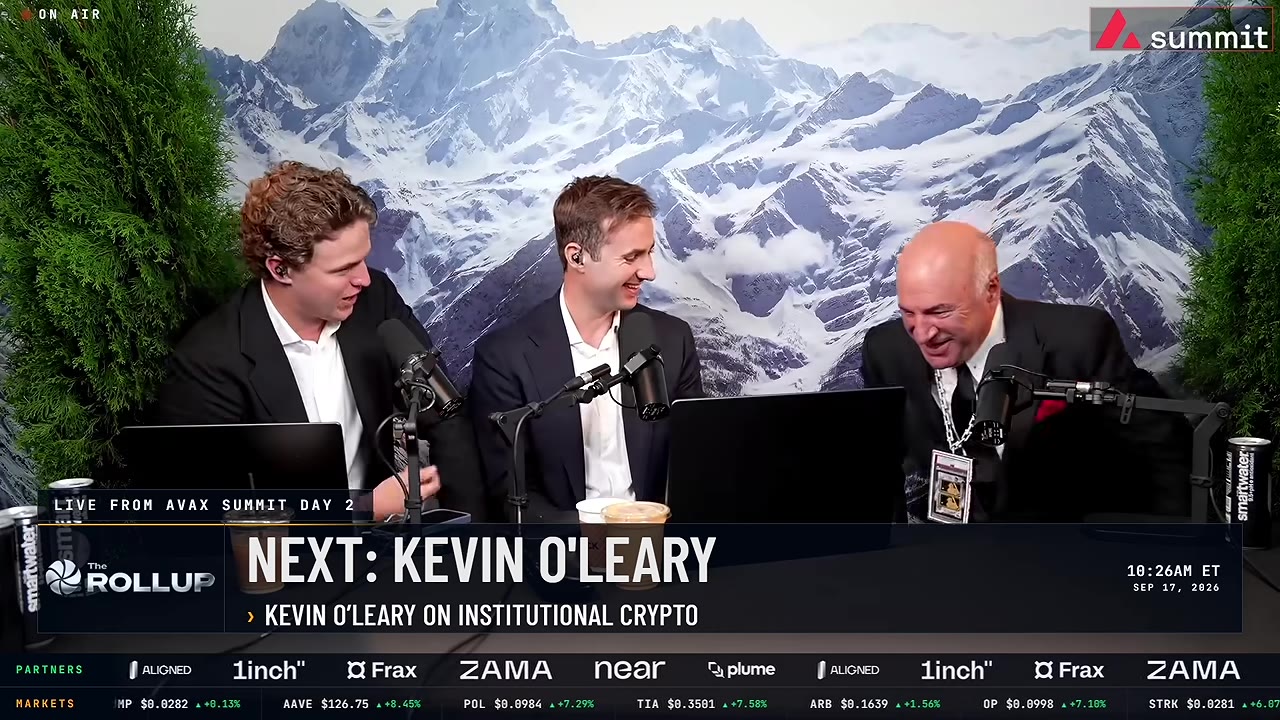
Kevin O'Leary: Crypto Will Become the 12th S&P Sector, Exchange-Backed Blockchain Will Win
Why it matters: The signal is that institutions are choosing blockchains for specific assets rather than a single standard, which shifts the balance of power among L1s.

Bitcoin Touches $82,000 Amid SEC Tokenization Push
Why it matters: Bitcoin's continued rise toward $82,000 strengthens expectations of a breakout above the $83,000-$86,000 resistance.
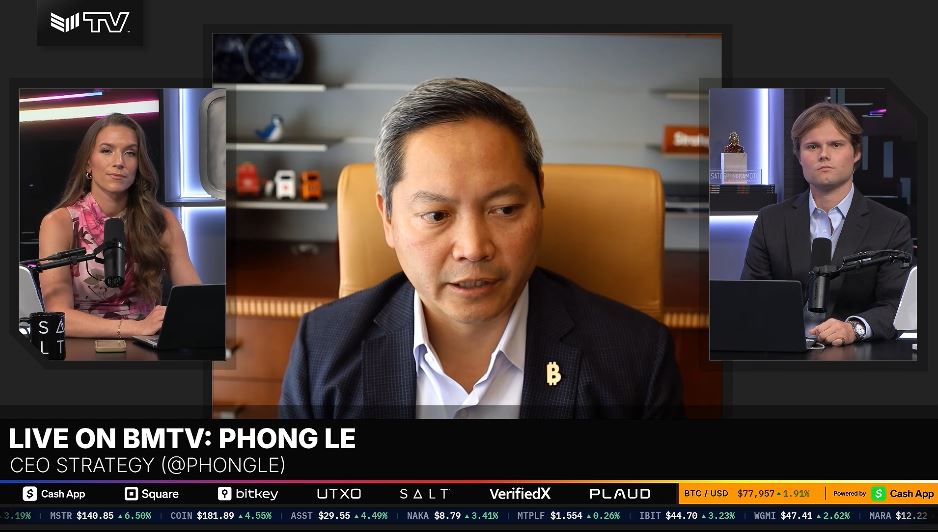
Strategy CEO: Major Global Banks Will Enter Bitcoin Market Within a Year
Why it matters: Major banks entering custody and tokenization could accelerate institutional inflows into bitcoin and intensify competition with crypto exchanges.
Strategy's unrealized Bitcoin profit climbs to $5.02B
Why it matters: The largest Bitcoin treasury returning to profit strengthens the case for corporate demand for BTC.
VanEck gives Metaplanet the only 'Bad' rating over executive pay scheme
Why it matters: VanEck's complaints about dilution at DAT companies could increase pressure on Bitcoin treasury stocks and their ability to raise capital.
Crypto market cap returns to $2.8 trillion, BTC rises to $81,914
Why it matters: The return of market capitalization to $2.8 trillion and the altcoin rally signal a recovery in risk appetite after BTC fell below $75,000.
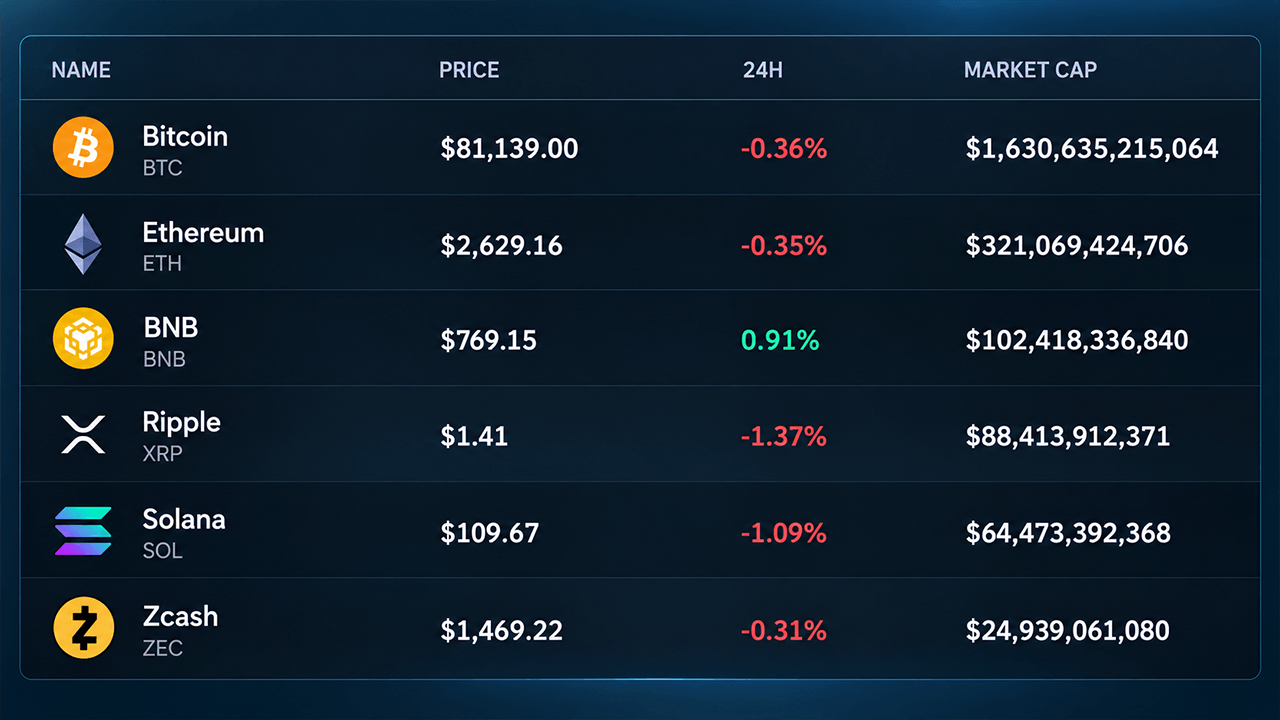
Weekly review: Bitcoin back at $81,000, ZEC and HYPE hit new highs
Why it matters: The break of the ETH/BTC pair's five-year downtrend is seen by analysts as a signal of an early altseason phase.
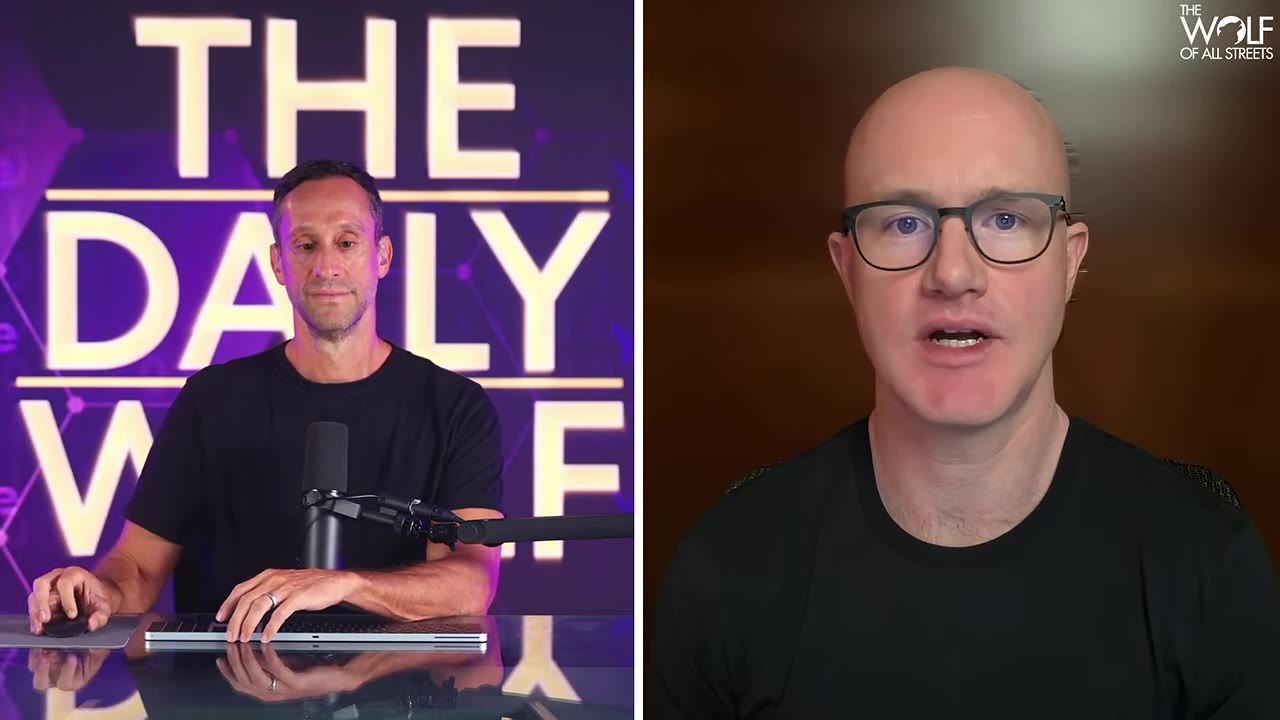
Armstrong: can't wait for Congress, SEC and CFTC rules are the next path
Why it matters: Shifting U.S. crypto regulation from Congress to the SEC and CFTC will speed up rulemaking but creates the risk of reversal under a new administration.

Crypto Fear and Greed Index falls to 70, still in greed zone
Why it matters: The index remains in the greed zone, signaling elevated optimism and the risk of a correction if sentiment worsens.