Bitcoin (BTC) news

Three events this week: Fed speeches, PMI and Trump-Xi meeting
Why it matters: Fed signals on further tightening and geopolitics will determine whether bitcoin holds above $80,000.
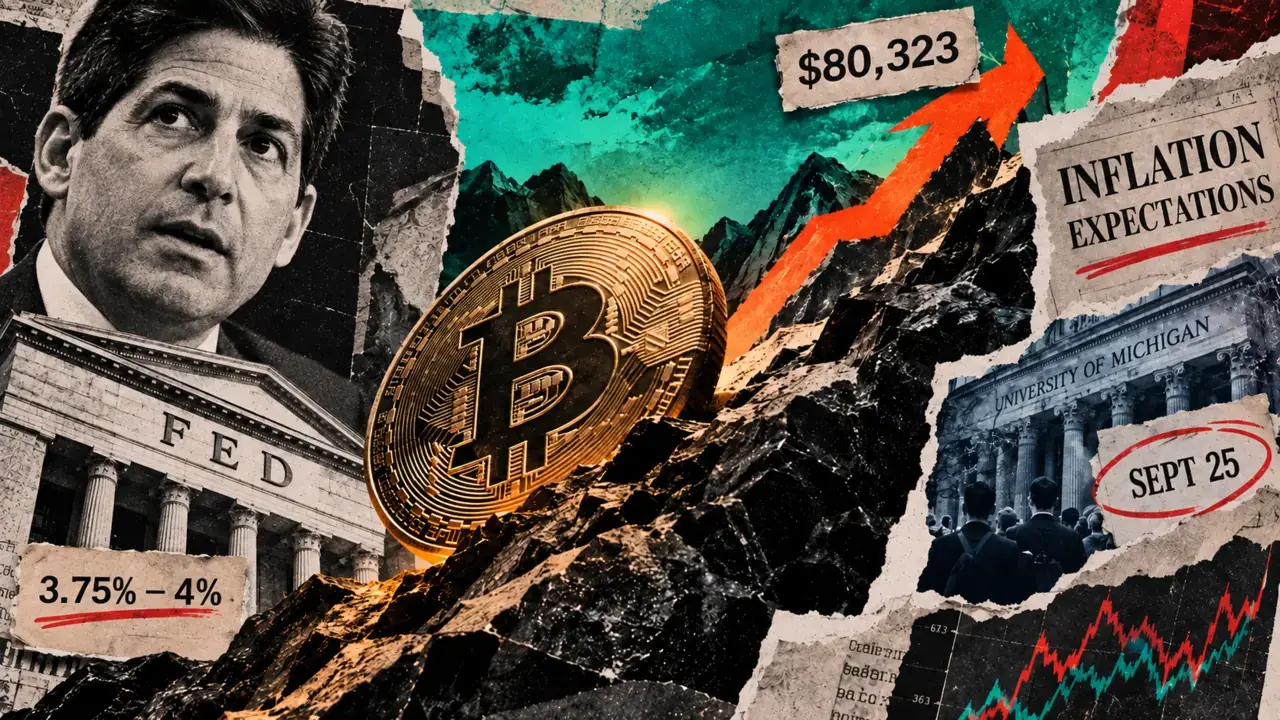
Bitcoin above $80,000: $95,157 December forecast, inflation and BOJ rate in focus
Why it matters: Whether the rebound above $80,000 holds depends on inflation expectations and ETF flows; soft data would support a move to $82,500–85,000, while hot data would bring back $77,500.

Upbit weekly trading volume rises 22.4% to $9.9B, led by XRP
Why it matters: Rising activity on South Korea's largest exchange and XRP's lead point to stronger altcoin demand in the Asian region.
Crypto market Sept 21: Bitcoin $81,590, $332.2M liquidated
Why it matters: The dominance of short liquidations points to a short squeeze and a cautious market rebound after the recent decline.

After CLARITY failure, Saylor urges push for 50M users
Why it matters: Betting on existing SEC and CFTC authority instead of legislation speeds up product launches but leaves the market without a permanent regulatory framework.

Bitcoin above $81,000 ahead of Trump-Xi meeting; markets eye Iran
Why it matters: The Sept. 24 Trump-Xi meeting could set the geopolitical backdrop and risk appetite, influencing bitcoin and oil.

Bitcoin starts week above $81,000 as market eyes Japan
Why it matters: Yen weakness and the risk of Bank of Japan intervention could increase volatility in global markets and affect appetite for risk assets, including bitcoin.

Bitcoin tops $81,000 amid macro factors and rising oil prices
Why it matters: Breaking $81,000 on the macro backdrop could open the way to new levels, but sustainability depends on rate and oil dynamics.

South Korean crypto stocks rise alongside bitcoin
Why it matters: The rise in Korean crypto stocks reflects increased risk appetite amid bitcoin's rally.
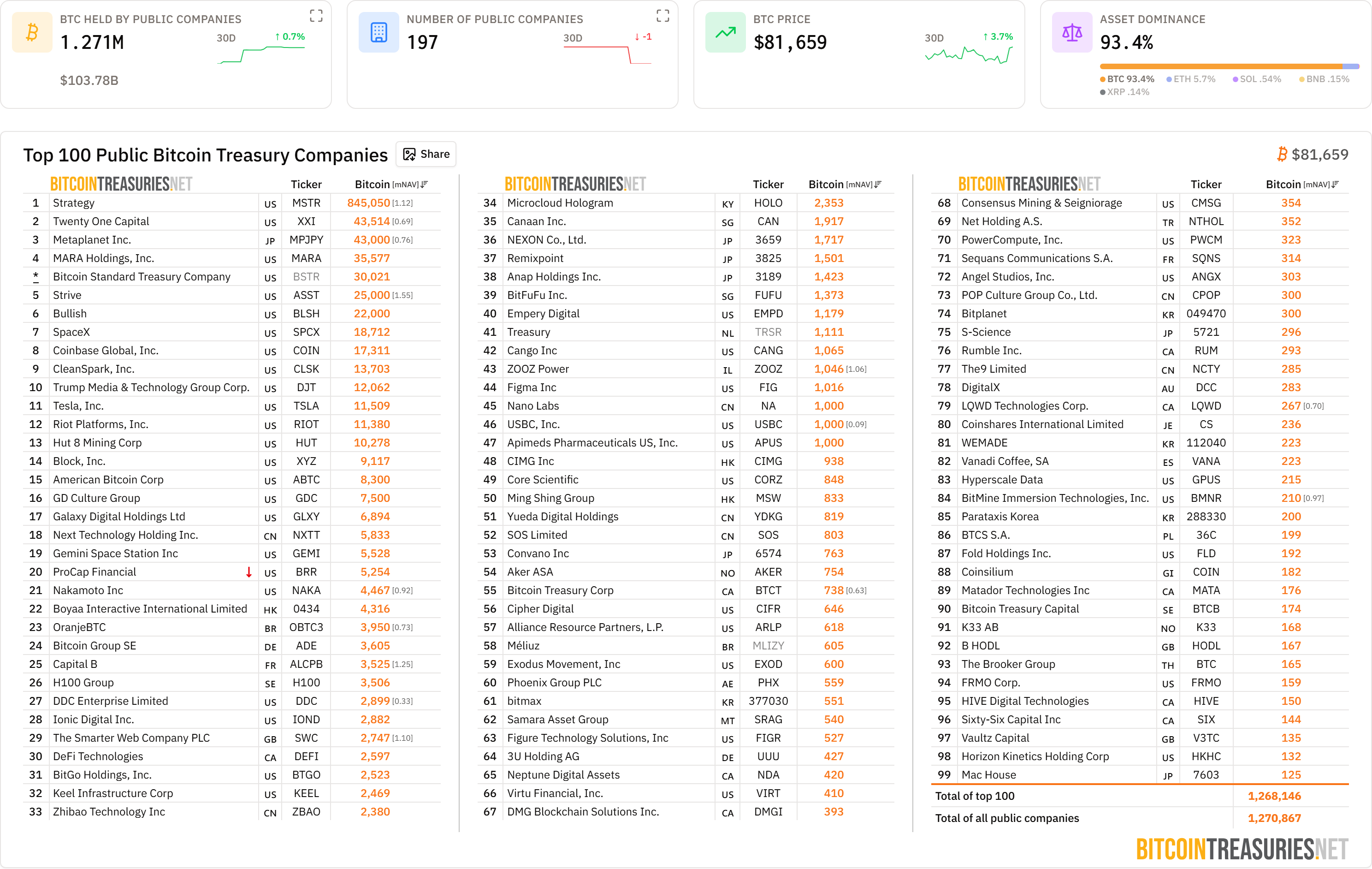
Institutions hold 4.15M BTC: Strategy at 845,050, BlackRock IBIT at 786,654
Why it matters: Growing institutional and government reserves reduce the free supply of BTC, supporting the price in the medium term.
Bitcoin ETF inflows total $6.1M over five days, BTC back above $81,000
Why it matters: The return of ETF inflows supported bitcoin's recovery above $81,000, signaling renewed institutional demand.
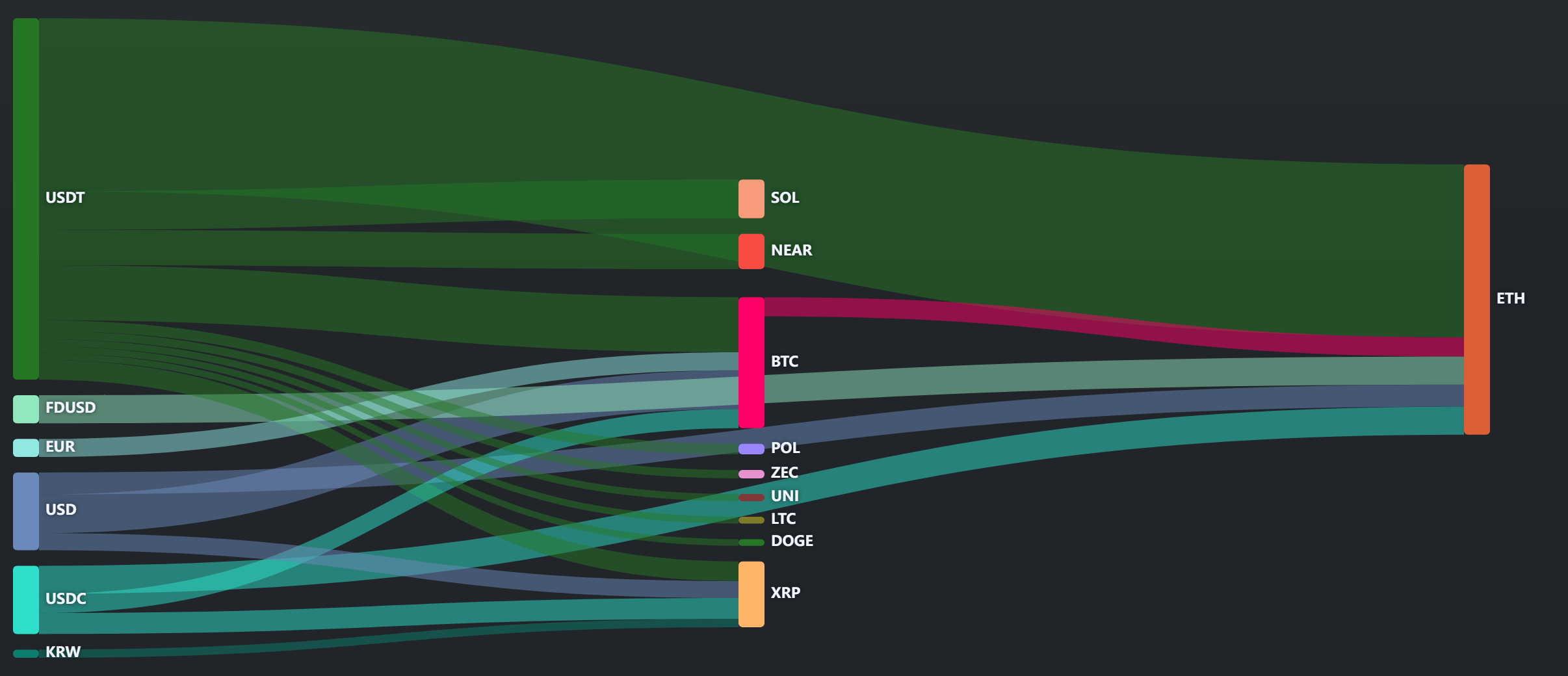
Ethereum draws $64.9M in five hours as $6.36M exits BNB
Why it matters: The short-term flows point to capital rotating into ETH and BTC while BNB loses ground.

Bitcoin back above $81,000 with key resistance at $85,000
Why it matters: A break above $85,000 would clear resistance from ETF investor positions and could trigger a short squeeze, accelerating gains toward new highs.

Bitcoin back above $81,000 as crypto stocks post best session in months
Why it matters: The rally is supported by expectations of gains from tokenized equities after the SEC exclusion, but pressure from 10-year Treasury yields near 5% and a forecast of another 75 bps of Fed tightening remain risks.
Bitcoin Hits Highest Price Since January as Strategy Keeps Buying
Why it matters: Continued Strategy purchases and rising crypto stocks signal returning institutional demand.

Elon Musk's X Sues Network of Bitcoin Accounts Over Payout Fraud
Why it matters: The case sets a precedent for platform crackdowns on fake activity in the crypto segment of X; it could tighten moderation and cut fraudsters' income.

Exchanges Receive 280 BTC in a Day as US Trading Volume Jumps 52%
Why it matters: Rising BTC inflows to exchanges and higher US trading volumes could signal mounting seller pressure in the short term.

Traders Question Kalshi Volume Data Over 14x Discrepancy
Why it matters: If confirmed, the gap would mean Kalshi's stated liquidity exceeds what is executable, distorting risk assessment and comparisons with other markets.

Cardano at $0.230: 11.4% weekly gain and test of $0.232 resistance
Why it matters: A breakout or rejection at $0.232 will determine whether ADA's correction has ended or this is just a bounce within a downtrend.

Jersey bets on tokenization and stablecoins in 'Time to Win' strategy
Why it matters: Jersey is testing a model for integrating crypto into existing oversight, which could serve as an example for other offshore jurisdictions.