Bitcoin (BTC) news

Bitcoin overtakes Tesla and Samsung by market cap
Why it matters: BTC's market cap rising above major public corporations reinforces the narrative of bitcoin as a global asset class.

$140 million outflow from Ethereum ETFs ends 4 weeks of inflows, alts rise
Why it matters: The ETH ETF outflow signals a pause in institutional demand, but the alt rally and mass short closures point to returning risk appetite.

Experts assess risks of USDT blocking for Russians after regulation
Why it matters: USDT holders in Russia risk having funds blocked on foreign exchanges due to sanctions-related address tagging.

Bitcoin long-term holder supply decline slows 5x
Why it matters: The slowing outflow of coins from long-term holders reduces seller pressure; a reversal to growth would signal a trend change.

Bitcoin holds above $81,000 after rebound from $76,000
Why it matters: The return of ETF inflows and an improving regulatory backdrop support the rebound, but PMI data and Fed rhetoric will determine further movement.

Wintermute: $16B flowed into RWA in a year — tokenization may become a new liquidity channel
Why it matters: If tokenized assets start being used as collateral in DeFi, RWA could become a sustainable channel for capital inflows into crypto.
Bloomberg analyst: crypto faces lose-lose scenario on hawkish Fed
Why it matters: A signal of liquidity squeeze risk: with a hawkish Fed and an S&P 500 correction, crypto's high correlation with equities would amplify losses.

Bitcoin tests double top at $82,179, MFI at maximum
Why it matters: A breakout or rejection at $82,179 will determine short-term dynamics: failure risks a pullback to $80,000 support.
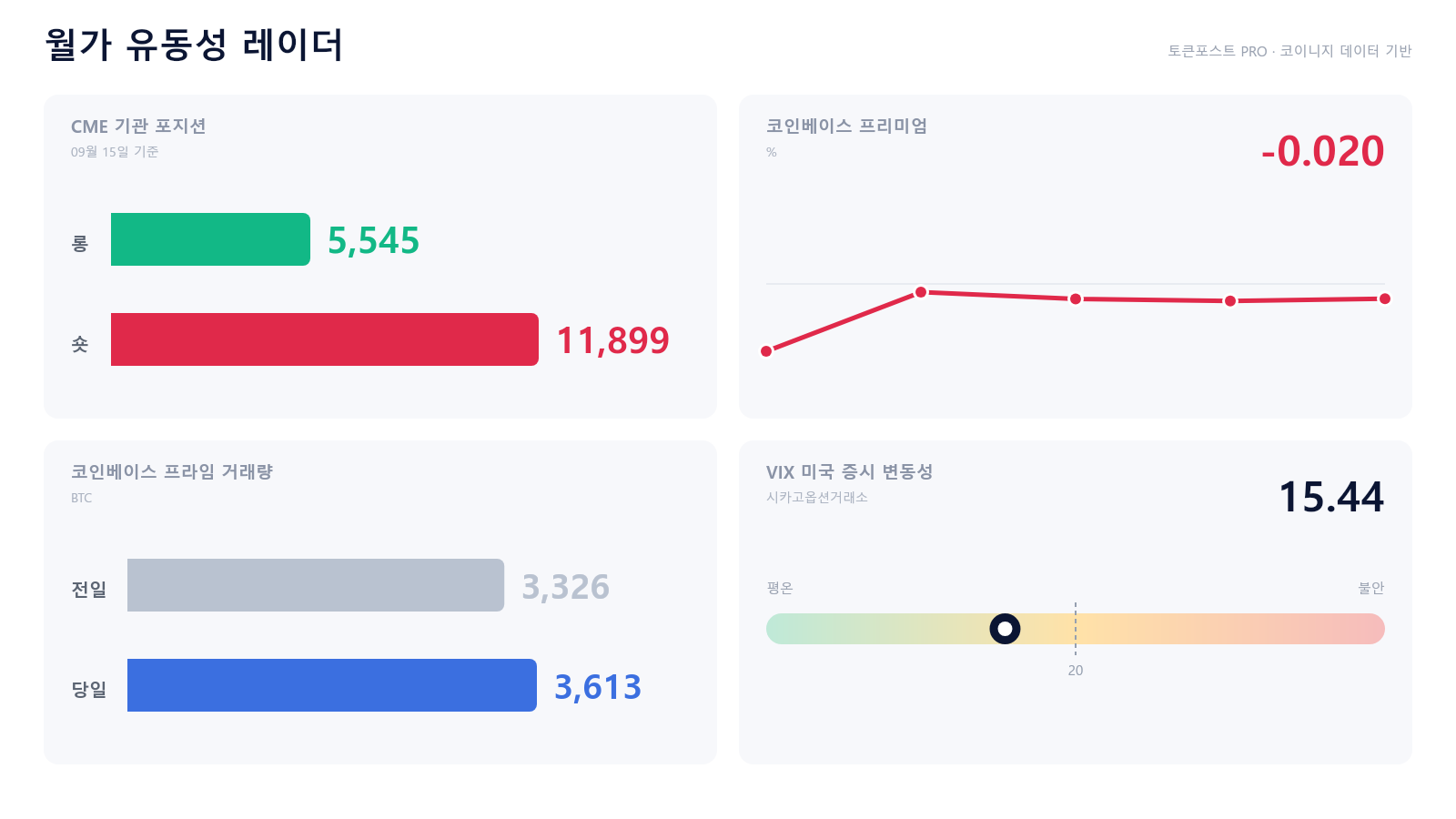
Coinbase Premium negative for a fifth day as US bitcoin demand lags global
Why it matters: Weak US spot demand and a short tilt on CME point to institutional caution; a flip in the Coinbase Premium to positive would signal returning demand.
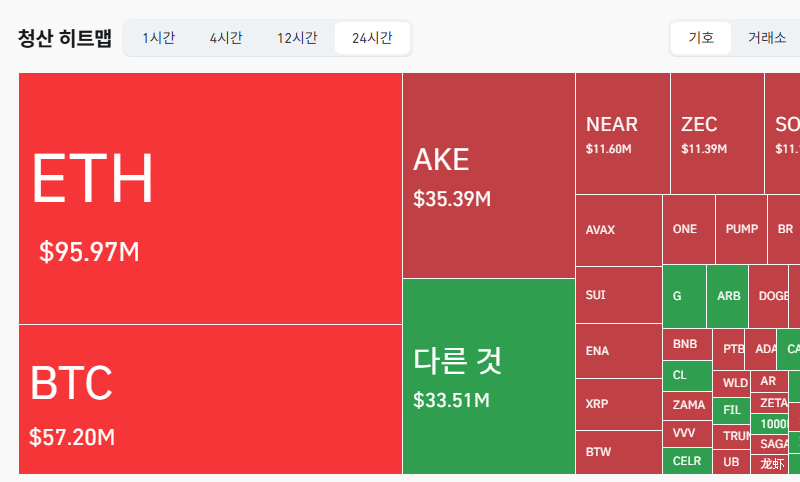
$214.28 million liquidated in 24 hours, 78.3% of it shorts
Why it matters: The mass closing of shorts amplified gains in top assets; if BTC breaks $82,000, short-side pressure could rise to $619 million.

Hamak Strategy Sells 8 Bitcoin for £482,516 to Fund Akoko Gold Project and Cut Debt
Why it matters: Another case of a public company liquidating part of its bitcoin treasury for operational needs rather than accumulation.

Week of Sept 21-27: $16.6B Deribit options expiry, XPL unlock, PMIs after Fed hike
Why it matters: A large derivatives expiry and the XPL unlock could amplify volatility, while the PMIs will shape Fed rate expectations through year-end.

Bitcoin above $81,000, Ethereum eyes sub-10-second blocks
Why it matters: Bitcoin's close above the 50-week moving average and Ethereum's acceleration bolster the case for institutional inflows into tokenized assets.

NEAR jumps 23% to $4.25, SUI and SEI gain about 20%
Why it matters: Accelerated capital rotation into altcoins may signal the start of an altseason, but the sharp rally raises the risk of a correction.

XRP outpaced bitcoin in August: +30% versus +25.1%
Why it matters: The data confirms capital rotation into altcoins in August, but XRP's pullback from highs shows the fragility of the momentum.

Three events this week: Fed speeches, PMI and Trump-Xi meeting
Why it matters: Fed signals on further tightening and geopolitics will determine whether bitcoin holds above $80,000.
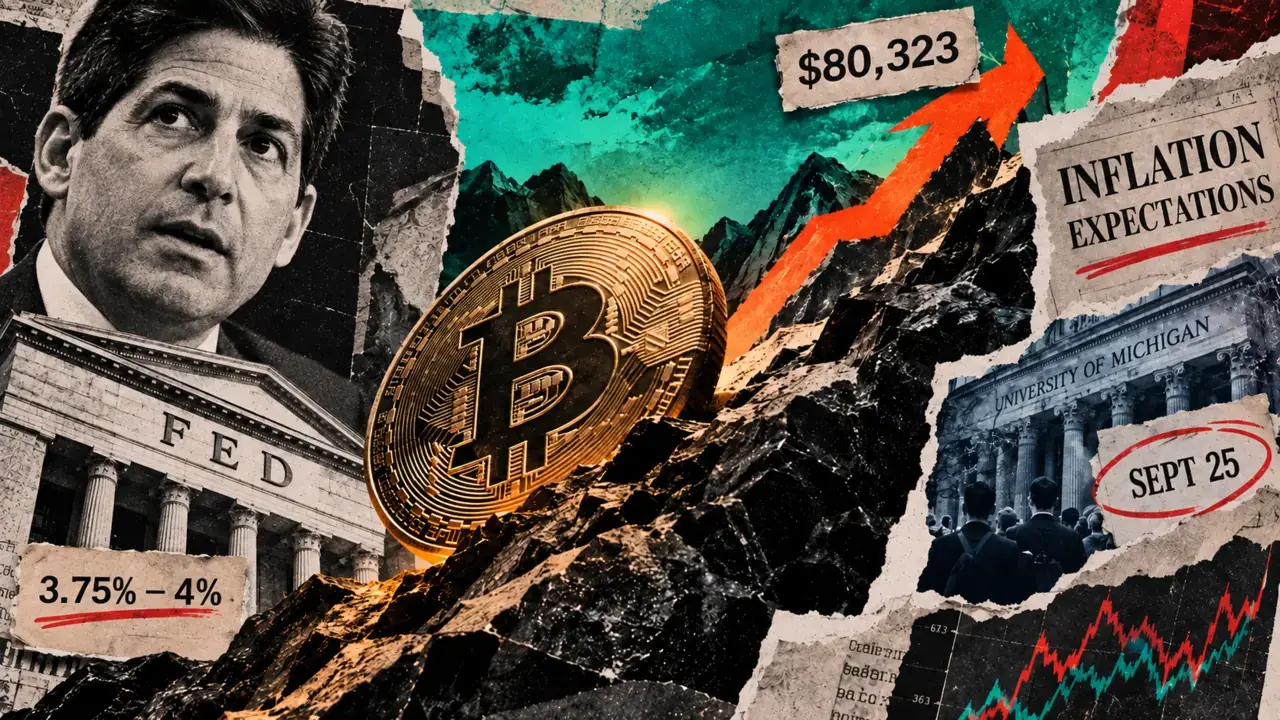
Bitcoin above $80,000: $95,157 December forecast, inflation and BOJ rate in focus
Why it matters: Whether the rebound above $80,000 holds depends on inflation expectations and ETF flows; soft data would support a move to $82,500–85,000, while hot data would bring back $77,500.

Upbit weekly trading volume rises 22.4% to $9.9B, led by XRP
Why it matters: Rising activity on South Korea's largest exchange and XRP's lead point to stronger altcoin demand in the Asian region.

Crypto market Sept 21: Bitcoin $81,590, $332.2M liquidated
Why it matters: The dominance of short liquidations points to a short squeeze and a cautious market rebound after the recent decline.

After CLARITY failure, Saylor urges push for 50M users
Why it matters: Betting on existing SEC and CFTC authority instead of legislation speeds up product launches but leaves the market without a permanent regulatory framework.