Crypto regulation news

XRP bounces 7% to $1.39 after CFTC rule filings
Why it matters: The bounce rests on short covering rather than sustained demand: without new buying, XRP may fail to hold $1.40.

Bitwise CIO compares tokenization boom to early Nvidia AI rally
Why it matters: A signal of institutional recognition for tokenization: the S&P deal and SEC rules could accelerate capital inflows into on-chain assets.

Banks take nearly a quarter of the MiCA register: 80 credit institutions out of 349
Why it matters: Banks are entering the crypto market faster through the simplified Article 60 pathway, intensifying competition with CASPs ahead of the Dec. 30, 2026 end of transitional regimes.

TRON Inc. received TRX from HTX-linked wallets after UK sanctions
Why it matters: The investigation calls into question the transparency of TRON Inc.'s treasury strategy and its ties to HTX amid sanctions, which could increase regulatory pressure on TRX.

SEC: tokenized US stocks must carry the same rights as ordinary shares
Why it matters: It sets the standard for tokenized stocks: rights matter more than trading speed, which will shape the structure of future products and institutional pilots.

Ethereum rises 6% to $2,600 after SEC launches tokenized stock program
Why it matters: Tokenizing stocks on public blockchains could bring trillions of dollars in trading volume to Ethereum and boost demand for ETH.

RedStone: tokenized stocks lose price reference outside trading hours
Why it matters: The pricing gap for tokenized stocks could deter institutions and widen the price divergence between on-chain and traditional markets.

FCA sets regulatory perimeter for overseas crypto platforms from 2027
Why it matters: The rules establish extraterritorial reach for the regulator and require overseas exchanges, custodians and staking services to adapt to the FCA regime.
Galaxy: Crypto market will keep functioning without CLARITY Act after Senate failure
Why it matters: The failure of the CLARITY Act shifts U.S. crypto regulation toward agencies (SEC, CFTC), reducing rule predictability for the market.

BaFin warns of risks from centralizing MiCA supervision
Why it matters: A possible centralization of EU supervision would change licensing and operating conditions for crypto companies across the 30-country EEA market.

Tokenized equities worth $465 million trade on Solana after SEC rule
Why it matters: The growth of tokenized equities on Solana strengthens its position in the RWA segment and could attract institutional capital.
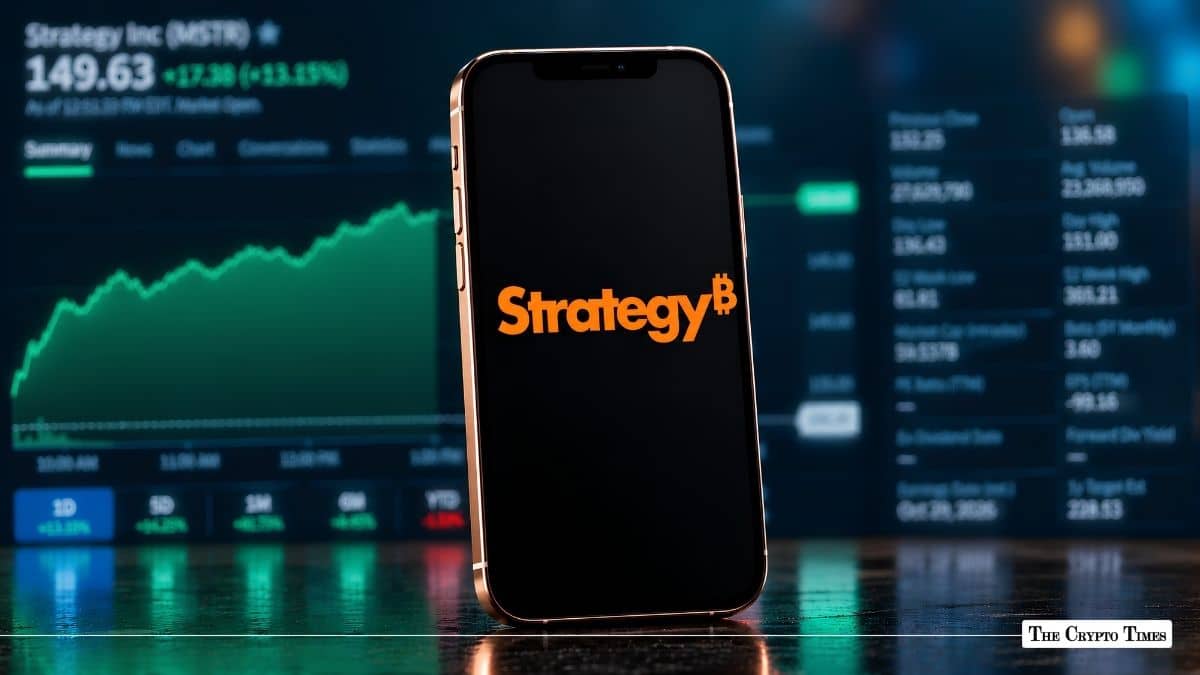
Strategy shares jump 13% to $151 as bitcoin reserve bill advances
Why it matters: Advancing the BTC state reserve bill strengthens institutional demand and supports crypto stocks such as MSTR.

US Senate Banking Committee to hold closed GOP roundtable on prediction markets
Why it matters: The outcome of the dispute will determine who regulates prediction markets — the CFTC or state gaming regulators — shaping the fate of Kalshi and Polymarket.

BlackRock: stablecoins must preserve 'singleness of money' with bank deposits
Why it matters: The stance of the world's largest asset manager sets the framework for stablecoin regulation and their integration into the banking system.

Crypto stocks rebound after selloff triggered by CLARITY Act failure
Why it matters: The market shows regulators are advancing crypto rules even without the CLARITY Act, supporting crypto stocks.

Tom Farley and Senator Gillibrand to discuss US crypto policy on September 22
Why it matters: Discussion of market structure and stablecoins could set the tone for Congress's next steps after the CLARITY Act failed in the Senate.

Tom Lee: CLARITY Act failure will not stop crypto market growth
Why it matters: A signal that institutional interest in ETH and the broader market persists even without new US legislation.
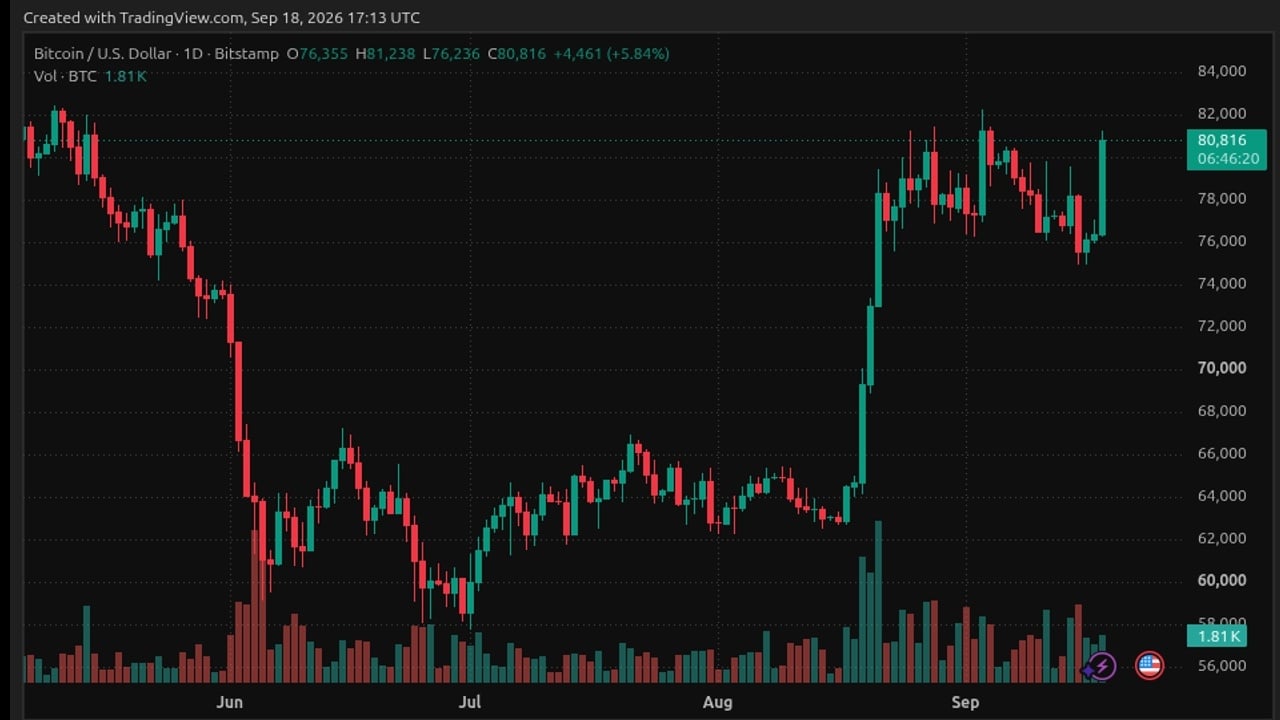
Bitcoin breaks $81,000 after CFTC sends crypto rules to White House
Why it matters: The return above $80,000 after the CLARITY Act's failure shows the market is betting on SEC and CFTC regulatory action bypassing Congress.

CFTC and SEC ease rules for crypto developers and tokenized stocks on same day
Why it matters: It reduces regulatory uncertainty for infrastructure and opens the path to on-chain stock trading in the U.S.
Bitcoin climbs to $81,000, NEAR adds 32% on tokenization news
Why it matters: The SEC exemption opens the way for tokenized stocks on DeFi platforms, boosting demand for infrastructure tokens like UNI, ARB and NEAR.