Crypto regulation news
White House: stablecoin yield ban would barely boost bank lending
Why it matters: The White House argument weakens the banks' position in the stablecoin yield debate, reducing the risk of restrictions for USDT and USDC holders.

64% of Russians approve digital ruble, 18% have already used it
Why it matters: It shows low real adoption of the digital ruble despite high stated willingness: 87,000 accounts versus 45% ready to connect.
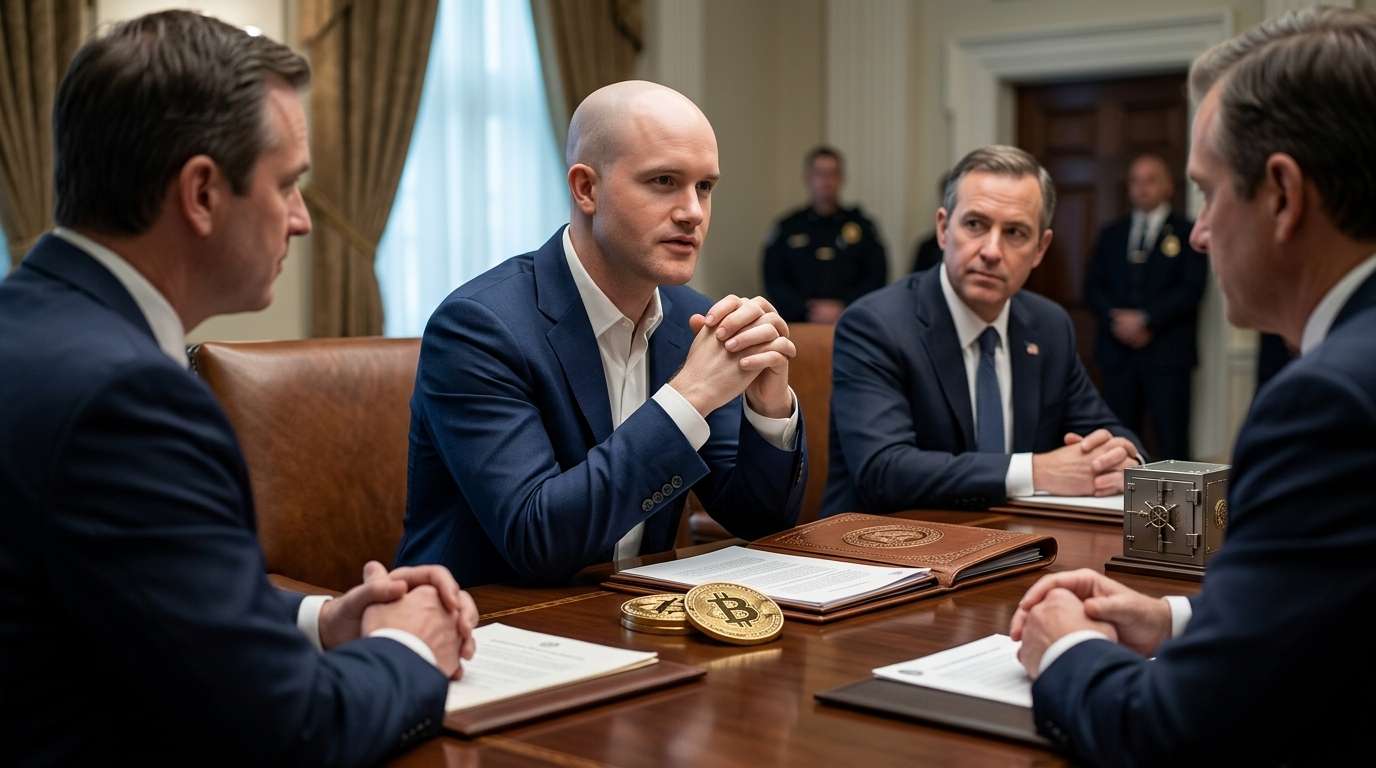
Coinbase discusses national bitcoin reserve with US Treasury and Commerce Departments
Why it matters: Legislative enshrinement of the reserve would reinforce bitcoin's perception as a sovereign reserve asset, but rapid BTC purchases should not be expected.

Tokenized Stocks Outpace European Exchanges Amid Market Fragmentation
Why it matters: Tokenizing stocks gives the EU a chance to retain capital, but without infrastructure consolidation and higher DLT limits, the advantage will remain with crypto platforms.
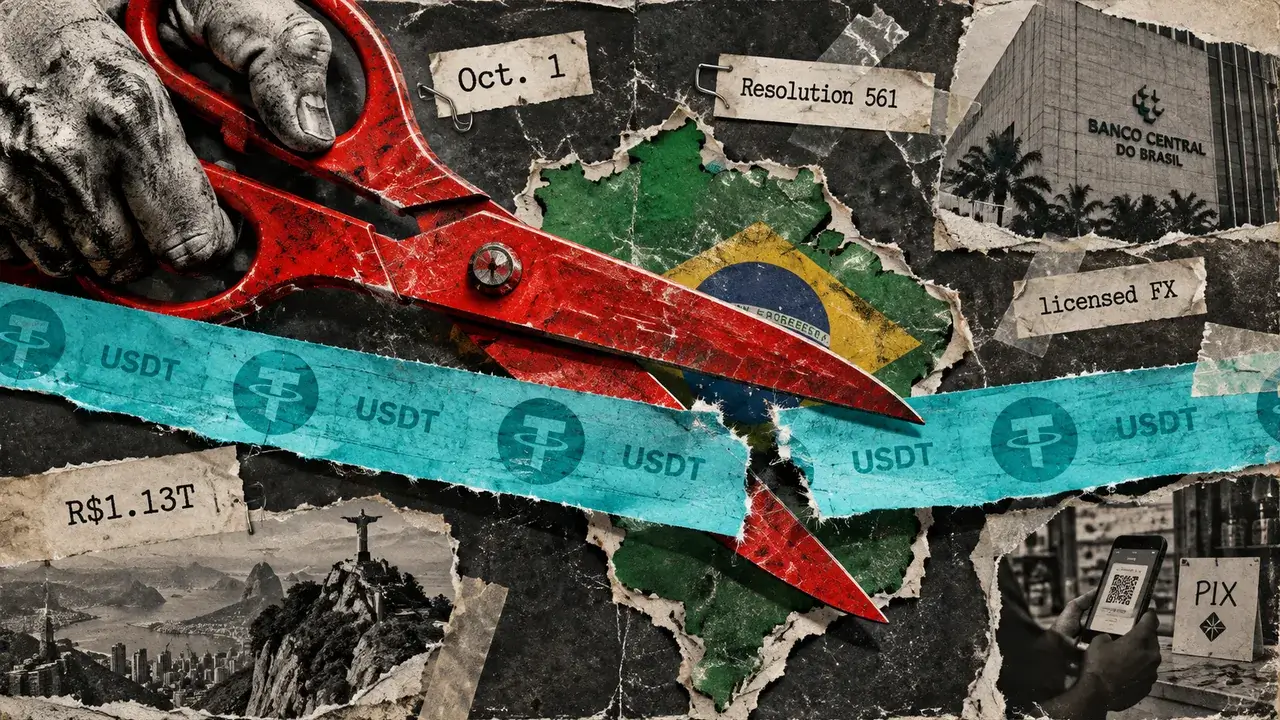
Brazil's Central Bank Bans Stablecoins in Cross-Border Payments from October 1
Why it matters: Brazil is closing a cheap stablecoin settlement channel, which could raise payment costs and increase regulatory pressure on the $1.1 trillion market.

South Korean Police Identify Polymarket Traders via Blockchain
Why it matters: A precedent: regulators can pursue prediction market users through on-chain analytics, increasing risks for traders worldwide.

Fitch: Sharia disagreements fragment Islamic crypto market
Why it matters: Fragmented rules hold back institutional crypto adoption in the Islamic world and create arbitrage between jurisdictions.

Henley & Partners: Singapore, UAE and Hong Kong top 2026 crypto-friendly index
Why it matters: The ranking shows which jurisdictions are winning crypto capital and founder migration, while the EU and France remain on the sidelines.

Kazakhstan to let brokers trade only 16 cryptocurrencies
Why it matters: Kazakhstan is legalizing the crypto market through a narrow whitelist of assets, which will limit trading in stablecoins and altcoins outside the list.
CLARITY Act not dead: Democrats ready to continue work on the bill
Why it matters: The fate of the U.S. crypto market structure law remains uncertain, holding back regulatory clarity for the industry.
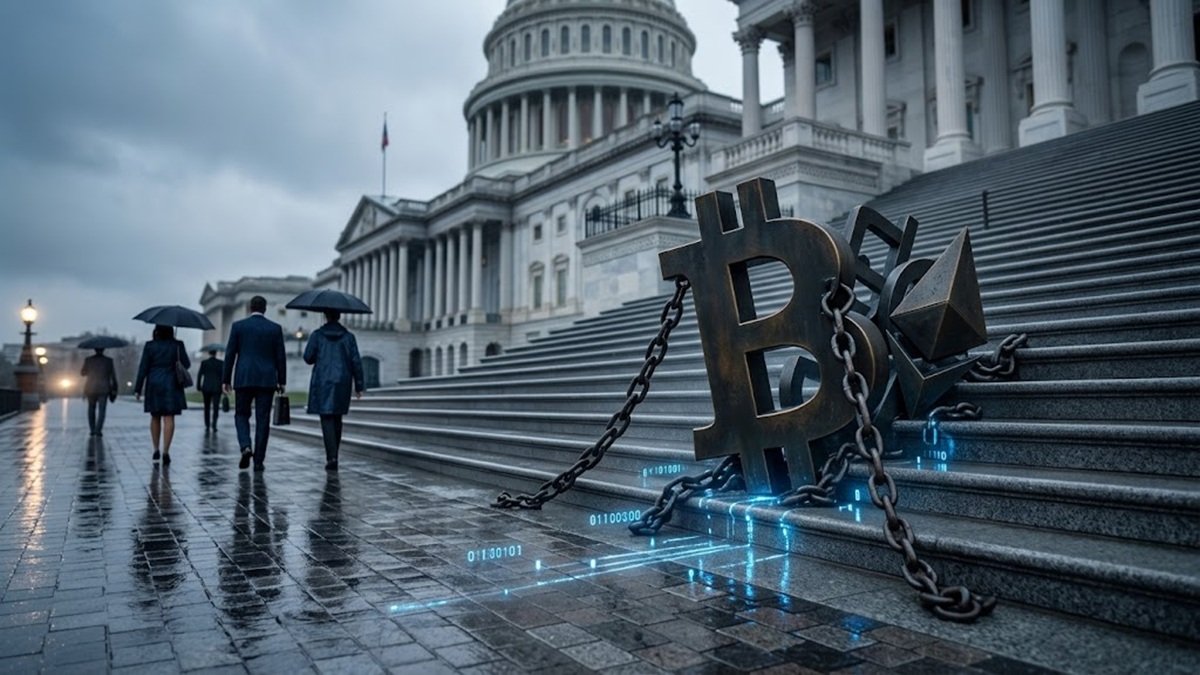
CLARITY Act failure does not halt U.S. crypto regulation
Why it matters: The regulatory vacuum is being filled by SEC and CFTC decisions, reducing the market's dependence on Congress, but the Fed's rate hike weighs on risk assets.

Ohio taps Grant Street Group to process crypto payments
Why it matters: It expands institutional crypto adoption in the U.S., but has no impact on asset prices.
Vietnam plans to issue first crypto licenses in 2026
Why it matters: Legalizing crypto services in Vietnam — one of Southeast Asia's largest markets — opens access to local users for exchanges and platforms.
Vietnam and Austria agree to cooperate on crypto asset oversight
Why it matters: Vietnam is shaping one of Asia's largest crypto regulatory regimes, which could open the market to licensed platforms and asset tokenization.
Bitcoin survives CLARITY Act failure: what's next
Why it matters: Regulatory uncertainty in the U.S. weighs on smaller companies, but the SEC continues to issue targeted rules without Congress.

Fed hikes rates, CLARITY Act fails, SEC opens path to tokenized stocks
Why it matters: The rate hike and CLARITY Act failure weigh on the market, but the SEC's tokenized stock rules open a major new segment.
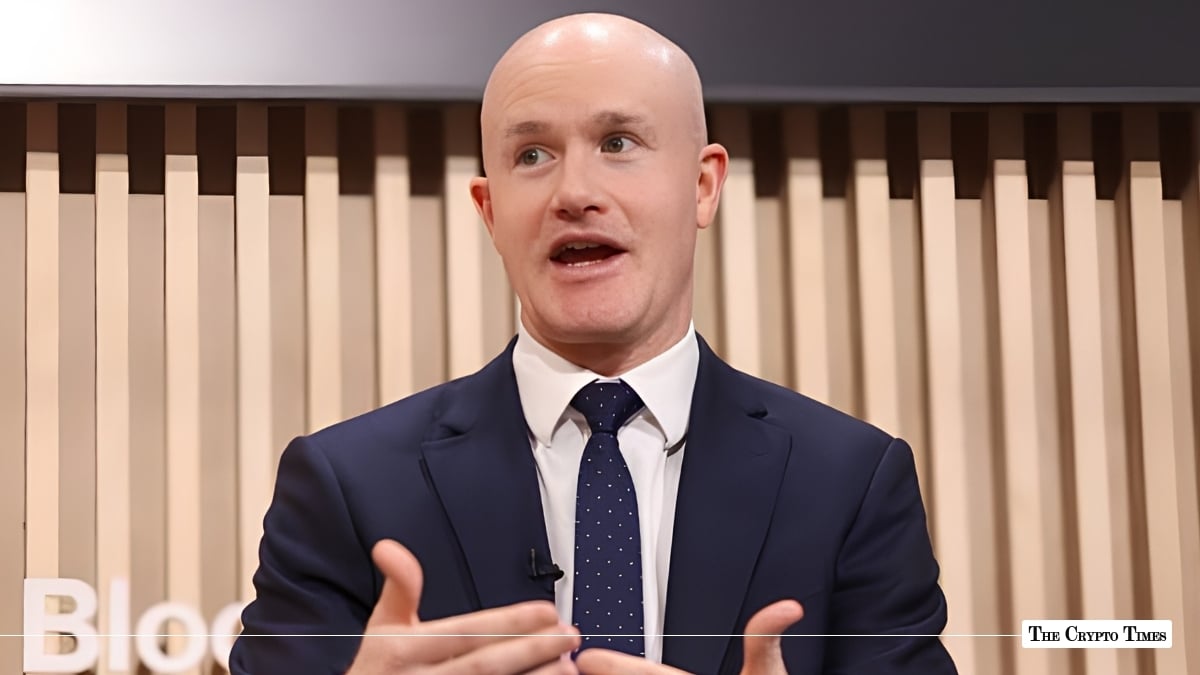
Armstrong: WSJ Preparing Article Blaming Him for CLARITY Act Failure
Why it matters: The CLARITY Act's failure leaves crypto regulation to the discretion of the SEC and CFTC, raising uncertainty for the market.
Crypto Market Cap Jumps After CLARITY Act Failure
Why it matters: The market has priced in the CLARITY Act's failure, but further gains depend on SEC and CFTC actions and macro data.

Hong Kong to pilot tokenization of Exchange Fund bills by end-2026
Why it matters: Expanding tokenization of government debt and regulated stablecoins strengthens Hong Kong as an institutional crypto hub and sets a benchmark for other jurisdictions.

Han Dong-hoon calls for another delay to South Korea's digital asset tax
Why it matters: A tax delay would ease pressure on Korean crypto investors, but it postpones the formation of market regulation.