Crypto regulation news
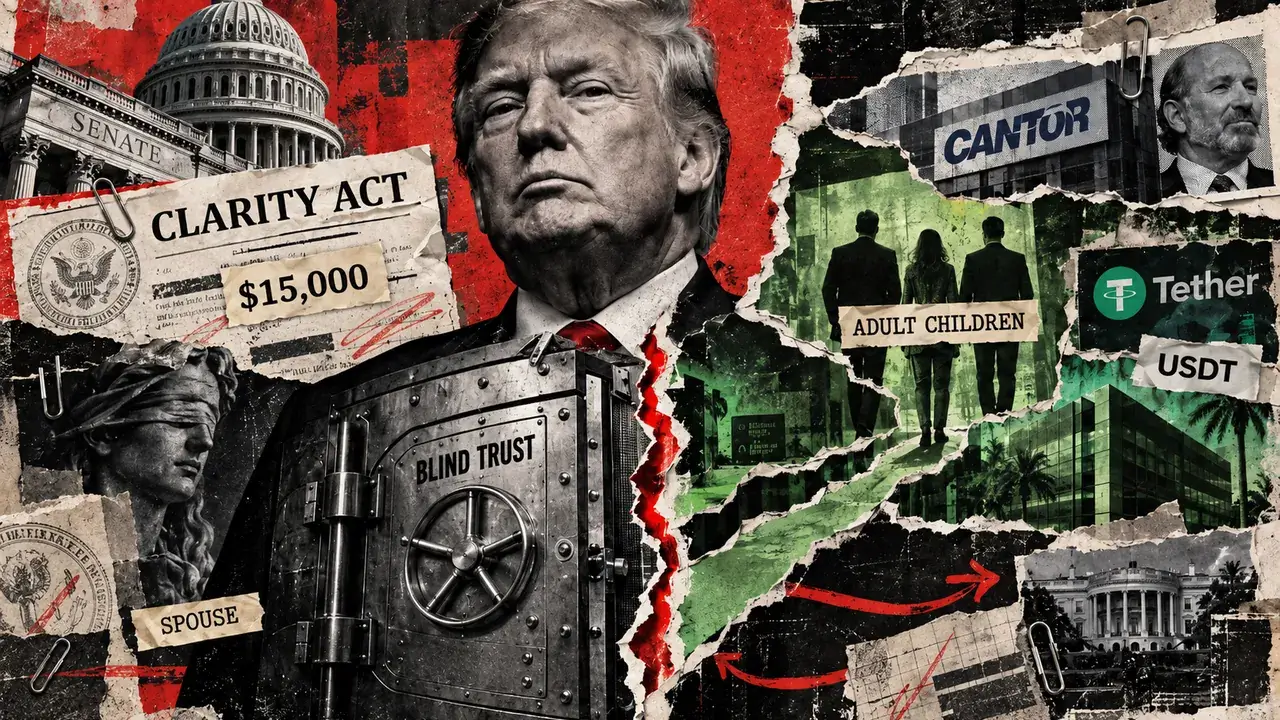
CLARITY Act nearly banned crypto assets for officials, but spared adult children
Why it matters: The rule sets a template for future U.S. crypto laws: how to draw the line between an official's assets and those of their family.

INTERPOL's Silver Notice program uncovers $41M in assets
Why it matters: Crypto assets are increasingly appearing in cross-border investigations, and Silver Notice gives authorities an additional channel for sharing data on their location.

EU's CRA rules take effect: report exploits within 24 hours
Why it matters: Crypto wallets in the EU are now regulated like ordinary software, forcing manufacturers to speed up vulnerability disclosure.

Sergey Nazarov speaks at first CFTC Innovation Advisory Committee roundtable
Why it matters: The CFTC's dialogue with the industry could accelerate regulatory clarity and the inflow of institutions into the crypto market.

Nasdaq Verafin and Stablecore to merge banking and crypto data to fight money laundering
Why it matters: Banks gain a tool to monitor stablecoins and tokenized deposits, lowering barriers to their legal launch.

Saylor: crypto market protection is mass adoption, not CLARITY Act
Why it matters: The stance of the largest bitcoin treasury sets the narrative: the market will keep growing without the CLARITY Act through products and institutions.
SEC prepares its own crypto asset rules to replace CLARITY Act
Why it matters: SEC rules could determine which tokens are considered securities and affect listings and trading in the US.

FCA opens crypto licensing application window on September 30
Why it matters: UK crypto firms must obtain an FCA license or leave the market, reshaping the industry's structure in the UK.
CFTC brings unregistered crypto exchanges under derivatives regulation
Why it matters: The CFTC's expanded oversight could force unlicensed exchanges to comply with US rules or exit the market.
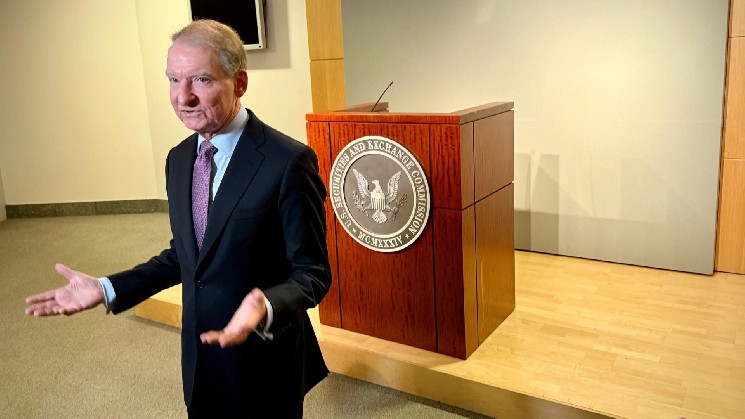
What was in the failed CLARITY Act and what will replace it
Why it matters: Without legislation, SEC rules are vulnerable to a change in the agency's leadership, leaving uncertainty for exchanges and DeFi projects in the U.S.
One in five European crypto firms is a bank
Why it matters: The growing share of banks under MiCA deepens institutionalization of Europe's crypto market and intensifies competition with crypto-native firms.

Peter Schiff calls bitcoin's rally after SEC tokenized-shares move illogical
Why it matters: The debate over tokenized shares intensifies competition for capital between bitcoin and tokenized securities amid SEC easing.

European Commission Extends MiCA Review Consultation to September 30
Why it matters: The consultation's outcome will determine whether staking and DeFi services will be licensed in the EU, directly affecting providers and their clients.

Hoskinson: Blockchain Will Absorb AI, and the CLARITY Act Won't Pass Until 2029
Why it matters: A signal of a long pause in US crypto regulation and a bet on blockchain converging with AI infrastructure.
Jito Labs: banks can operate on public blockchains without licenses
Why it matters: Removing the barrier for banks on public networks could accelerate institutional inflows into DeFi and stablecoins.

Poland's tax authority begins probing crypto investors using foreign data
Why it matters: Tighter tax scrutiny in Poland could push crypto investors to declare income and affect capital outflows from local venues.
White House: stablecoin yield ban would barely boost bank lending
Why it matters: The White House argument weakens the banks' position in the stablecoin yield debate, reducing the risk of restrictions for USDT and USDC holders.

64% of Russians approve digital ruble, 18% have already used it
Why it matters: It shows low real adoption of the digital ruble despite high stated willingness: 87,000 accounts versus 45% ready to connect.

Coinbase discusses national bitcoin reserve with US Treasury and Commerce Departments
Why it matters: Legislative enshrinement of the reserve would reinforce bitcoin's perception as a sovereign reserve asset, but rapid BTC purchases should not be expected.

Tokenized Stocks Outpace European Exchanges Amid Market Fragmentation
Why it matters: Tokenizing stocks gives the EU a chance to retain capital, but without infrastructure consolidation and higher DLT limits, the advantage will remain with crypto platforms.