Crypto regulation news

Russia's central bank proposes 1% capital cap on banks' crypto risk
Why it matters: The rules set a hard capital barrier for Russian banks' crypto exposure and will determine how banks can hold client digital assets.

6 Nobel economics laureates back California billionaire tax, Ripple's Larsen opposes
Why it matters: The November 3 vote will show whether voters back a tax on crypto and tech wealth, potentially setting a trend for other states.
Bitcoin holds near $75,000 after Fed rate hike and CLARITY Act failure
Why it matters: The absence of new growth catalysts threatens a prolonged sideways market; a break above $80,000 or below $75,000 will set the direction.

Goldman Sachs and Citizens: Coinbase, Robinhood and Circle to benefit from SEC stock tokenization
Why it matters: Tokenized US stocks could open a new market for crypto infrastructure and stablecoins, but are currently limited by volume caps and issuers' right to opt out.

Volatility Shares delays 3x XRP ETF to October 18, 2026
Why it matters: The date in the filing does not mean a launch: the confusion could spark false expectations among XRP traders.

SEC proposes exempting 1,700 companies from internal control audits
Why it matters: Loosening rules introduced after Enron reduces independent oversight of financial reporting, potentially raising risks for public company investors.

US Sanctions Iranian Exchange BitBank Over Bitcoin Transfers for IRGC
Why it matters: The case shows that exchanges with geopolitical ties quickly fall under sanctions, tightening compliance requirements for Bitcoin transactions.

Trump announces AI Force and plans to appoint an AI czar
Why it matters: White House staffing decisions on AI and crypto shape the US regulatory agenda and industry sentiment.

UK to allocate £500M and 500 agents to fight crypto money laundering
Why it matters: Tighter oversight of crypto flows in the UK raises risks for illegal services and mixers, but also tightens compliance for legitimate crypto companies.

SEC allows trading of tokenized US stocks under 5-year conditional exemption
Why it matters: The legalization of tokenized stocks in the US opens a new market segment and strengthens the position of Coinbase and Robinhood.

Hayes and Saylor Criticize Fed Rate Hike and CLARITY Act Failure
Why it matters: The debate over who benefits from rates and regulation will shape the future structure of the stablecoin market and crypto service yields.

South Korea opens cases against 26 Polymarket users over $12.7M in bets
Why it matters: The case sets a precedent: a court will decide whether prediction-market trading is gambling, affecting access to such platforms in Asia.
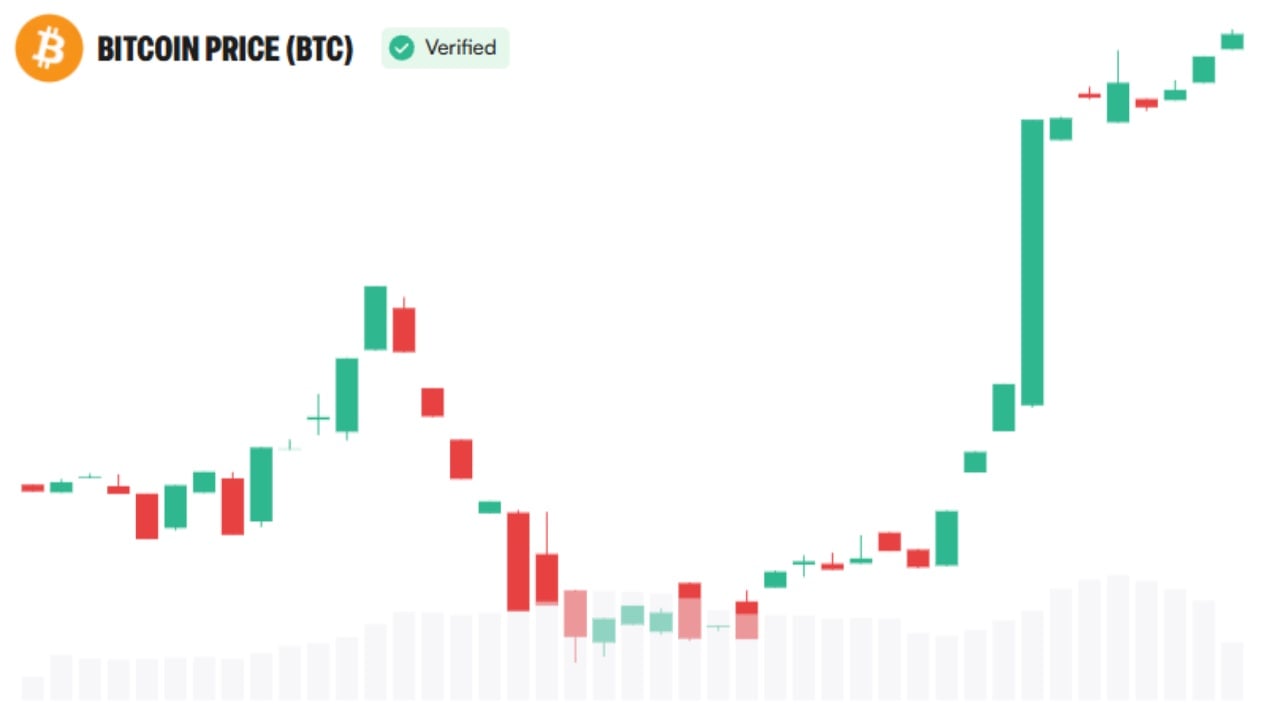
Arthur Hayes calls CLARITY Act 'nonsense' as bitcoin tops $80,000
Why it matters: Hayes puts money flows above regulation: rising rates support demand for risk assets, though his own forecast allows for a drop to $50,000.
Reform UK creates crypto union in response to foreign donation restrictions
Why it matters: British crypto donations and the attempt to bypass party funding rules could influence the future regulation of digital assets in the country.

Japan: IZAKA-YA service to close after FSA warning
Why it matters: It shows the FSA tightening oversight of unlicensed crypto services in Japan.

Only five crypto exchanges apply for licenses with Brazil's central bank
Why it matters: Brazil's market is consolidating: most exchanges will leave, and new licenses could take up to three years to issue.

Visa tightens card classification for memecoin purchases
Why it matters: The code change will strip memecoin purchases of standard card rewards and tighten banks' control over crypto transactions.

CLARITY Act nearly banned crypto assets for officials, but spared adult children
Why it matters: The rule sets a template for future U.S. crypto laws: how to draw the line between an official's assets and those of their family.

INTERPOL's Silver Notice program uncovers $41M in assets
Why it matters: Crypto assets are increasingly appearing in cross-border investigations, and Silver Notice gives authorities an additional channel for sharing data on their location.

EU's CRA rules take effect: report exploits within 24 hours
Why it matters: Crypto wallets in the EU are now regulated like ordinary software, forcing manufacturers to speed up vulnerability disclosure.