Crypto regulation news

ECB advances digital euro, Pontes and Appia in parallel
Why it matters: The ECB is accelerating public infrastructure to counter dollar stablecoins, which could reshape settlement of tokenized assets in Europe.
House committee approves U.S. bitcoin reserve bill with 20-year holding period
Why it matters: Enshrining the reserve in law would protect it from reversal by future presidents and reduce selling pressure on the market.
Grewal: Blaming Armstrong for CLARITY Act Failure Is 'Ridiculous'
Why it matters: The dispute over who is to blame for the CLARITY Act's failure exposes a rift within the industry and lowers the odds of U.S. market legislation passing anytime soon.
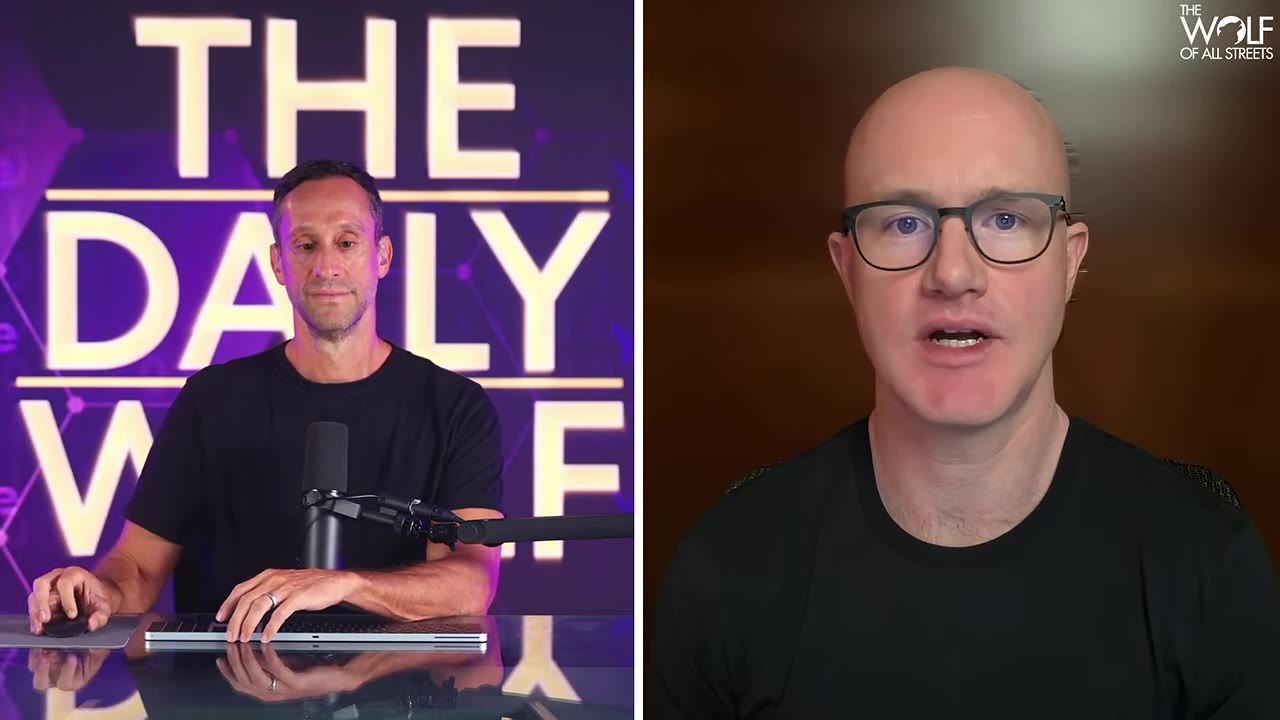
Armstrong: can't wait for Congress, SEC and CFTC rules are the next path
Why it matters: Shifting U.S. crypto regulation from Congress to the SEC and CFTC will speed up rulemaking but creates the risk of reversal under a new administration.
Canary Capital files second S-1 amendment for staking SEI ETF
Why it matters: Staking within an ETF could give investors yield on top of SEI's price if the SEC approves the structure.
US House committee approves digital asset tax bill
Why it matters: The bill sets tax reporting rules for US crypto investors and brokers, reducing uncertainty, but it has not yet been finally passed.

Russia's central bank plans unified crypto risk rules for banks
Why it matters: A unified methodology would simplify supervision and reduce uncertainty for banks, but for now it is only an intention without obligations.

Crypto industry pressure derailed bipartisan deals and sank CLARITY Act in Senate
Why it matters: Without the CLARITY Act, the SEC will determine market rules, increasing regulatory uncertainty for exchanges and tokens.

US prepares sanctions on International Criminal Court, including transaction ban
Why it matters: Sanctions on the ICC show that dollar stablecoins and Bitcoin offer no sanctions workaround because of OFAC screening at exchanges and issuers.

FINRA orders Charles Schwab to pay $1.34 million to family of crypto fraud victim
Why it matters: The precedent strengthens requirements for brokers to detect financial exploitation of elderly clients in crypto transfers.

Lummis: Democrats voted against the crypto transparency they demanded
Why it matters: The dispute over the CLARITY Act shows that disagreements over crypto project transparency are blocking US regulation.
Lummis: CLARITY Act required audits for crypto projects raising over $25 million
Why it matters: The disclosure of details behind the CLARITY Act's failure shows what audit requirements could return in new versions of U.S. crypto regulation.

Hong Kong advances stablecoin and tokenization pilots
Why it matters: Asian regulators are shaping rules for stablecoins and tokenization, affecting institutional demand and liquidity in the region.

Solana wins approval for tokenized stocks, holders hit 850,000
Why it matters: The approval strengthens Solana's position in asset tokenization and could attract institutional capital.
Russia's Finance Ministry: about 20 million citizens use cryptocurrencies
Why it matters: The estimate of the market's scale matters for future crypto taxation and regulation in Russia.

Russia's central bank proposes 1% capital cap on banks' crypto risk
Why it matters: The rules set a hard capital barrier for Russian banks' crypto exposure and will determine how banks can hold client digital assets.

6 Nobel economics laureates back California billionaire tax, Ripple's Larsen opposes
Why it matters: The November 3 vote will show whether voters back a tax on crypto and tech wealth, potentially setting a trend for other states.
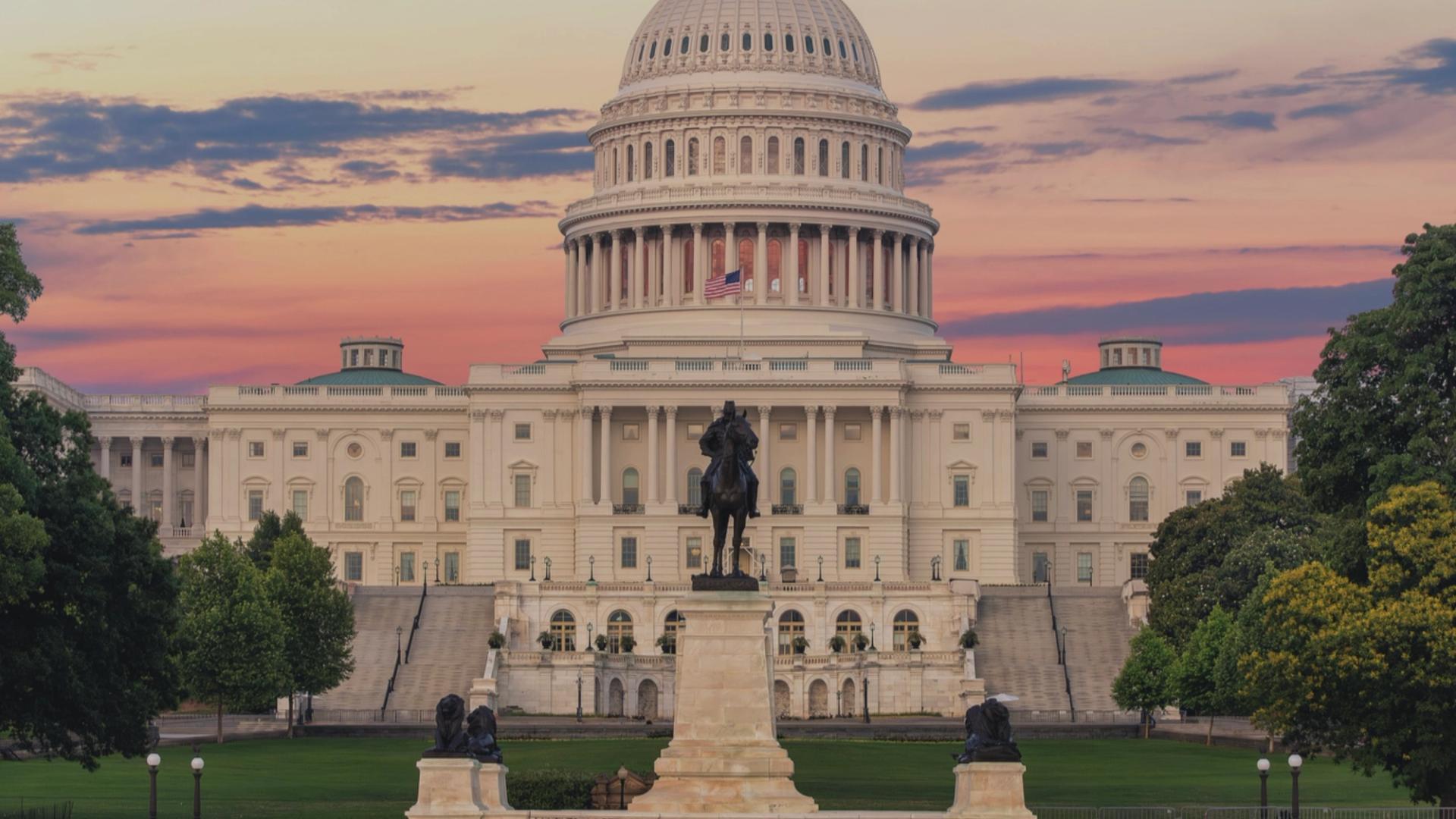
Bitcoin holds near $75,000 after Fed rate hike and CLARITY Act failure
Why it matters: The absence of new growth catalysts threatens a prolonged sideways market; a break above $80,000 or below $75,000 will set the direction.
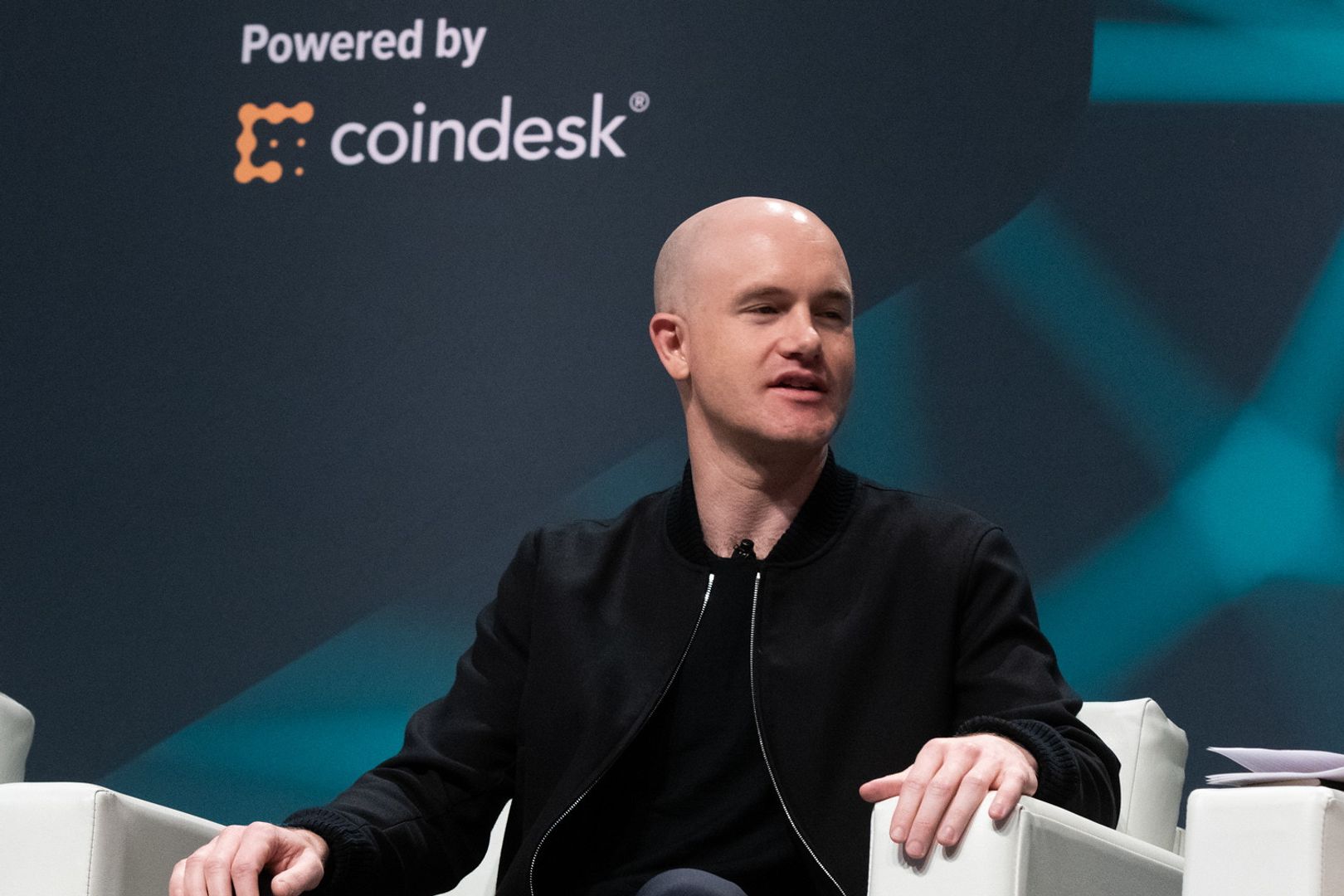
Goldman Sachs and Citizens: Coinbase, Robinhood and Circle to benefit from SEC stock tokenization
Why it matters: Tokenized US stocks could open a new market for crypto infrastructure and stablecoins, but are currently limited by volume caps and issuers' right to opt out.

Volatility Shares delays 3x XRP ETF to October 18, 2026
Why it matters: The date in the filing does not mean a launch: the confusion could spark false expectations among XRP traders.