Crypto regulation news

US DOJ seeks forfeiture of $61M in crypto tied to Iran and Binance
Why it matters: The new lawsuit increases pressure on Binance and the risk of secondary sanctions for exchanges handling sanctioned flows.

SEC may let companies opt out of tokenized shares
Why it matters: The rules will determine whether companies can block third-party issuance of tokenized shares, affecting the $3+ billion stock tokenization market.
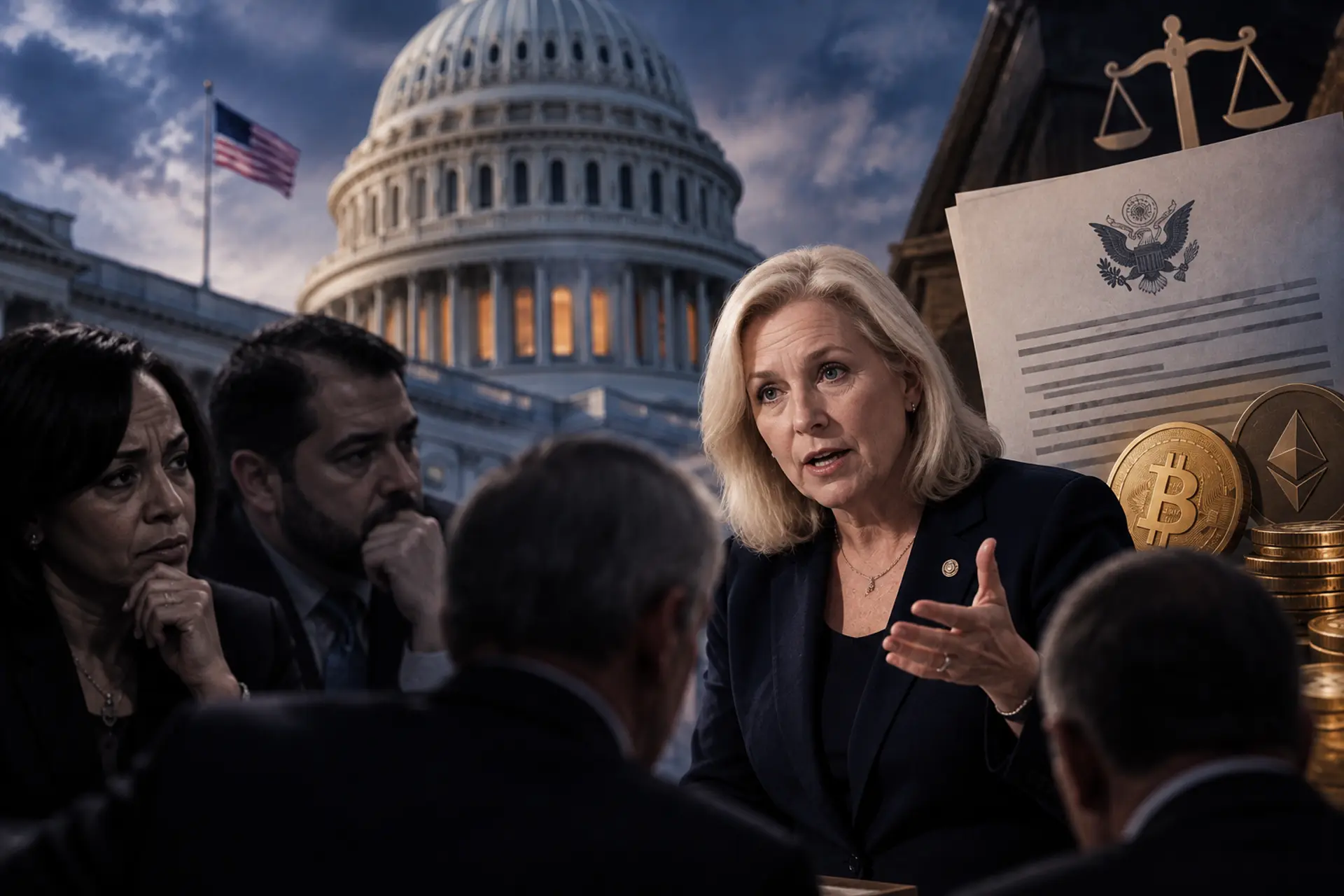
Democrats press ethics rules in CLARITY Act as Gillibrand pushes procedural vote
Why it matters: The outcome of the vote will determine whether the U.S. crypto market structure bill reaches the Senate floor.

Lummis: Democrats won't stop demanding amendments to CLARITY Act
Why it matters: Prolonged amendments raise the risk of derailing the CLARITY Act vote, on which U.S. spot crypto market regulation depends.
US Senate Democrats Prepare Counter-Amendments to Final CLARITY Act
Why it matters: The outcome of the vote will determine the fate of spot crypto market regulation in the US and affect BTC, ETH, and XRP.

USDT's StableFund May Face Regulatory Maze in Mexico
Why it matters: It shows how the lack of stablecoin regulation is holding back the launch of crypto lending products in emerging markets.

Grayscale Backs CLARITY Act Ahead of Senate Vote
Why it matters: Passing the law could accelerate institutional crypto adoption and provide clear rules for exchanges and stablecoins.

Bulgaria grants tax agency full access to crypto user data
Why it matters: Bulgaria is joining the pan-European system for exchanging crypto tax data, raising costs for small providers and reducing user anonymity.

ESMA to hold workshop on tokenized capital markets
Why it matters: The EU regulator is shaping its approach to tokenization, which will set the rules for RWA projects and tokenized securities in Europe.

SBF lawyer: $11B fine would leave him penniless forever
Why it matters: The outcome could influence how fines are imposed in crypto cases and expectations for FTX customer recoveries.
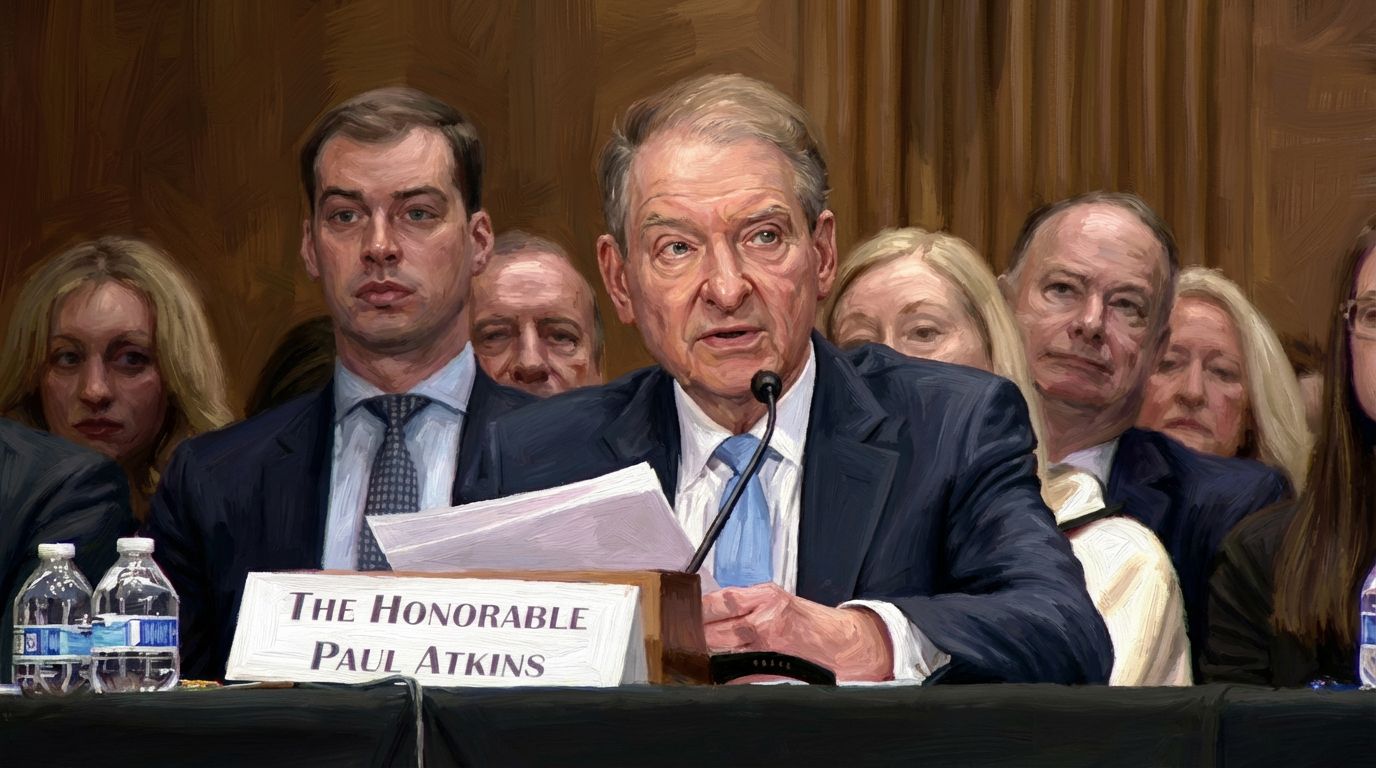
SEC chair urges Congress to pass CLARITY Act while preparing own rules
Why it matters: Regulatory clarity in the U.S. reduces risks for issuers and exchanges, but both processes are not yet complete.

Bitfinex: Tokenized Stock Debate Goes Beyond Issuer Consent
Why it matters: The debate will determine how tokenized stocks are regulated and what rights their holders will receive.

Maryland Attorney General Opposes Crypto Bill
Why it matters: It strengthens state resistance to the federal crypto bill, which could affect its passage.

Grayscale: chances of CLARITY Act passing this year rise to 29%
Why it matters: The CLARITY Act will determine regulation of the U.S. spot crypto market, and rising chances of its passage support market expectations.

SBF says court barred defense from responding to $10B FTX loss claims
Why it matters: The outcome of the Supreme Court appeal could influence evidentiary practices for harm and forfeitures in crypto cases.
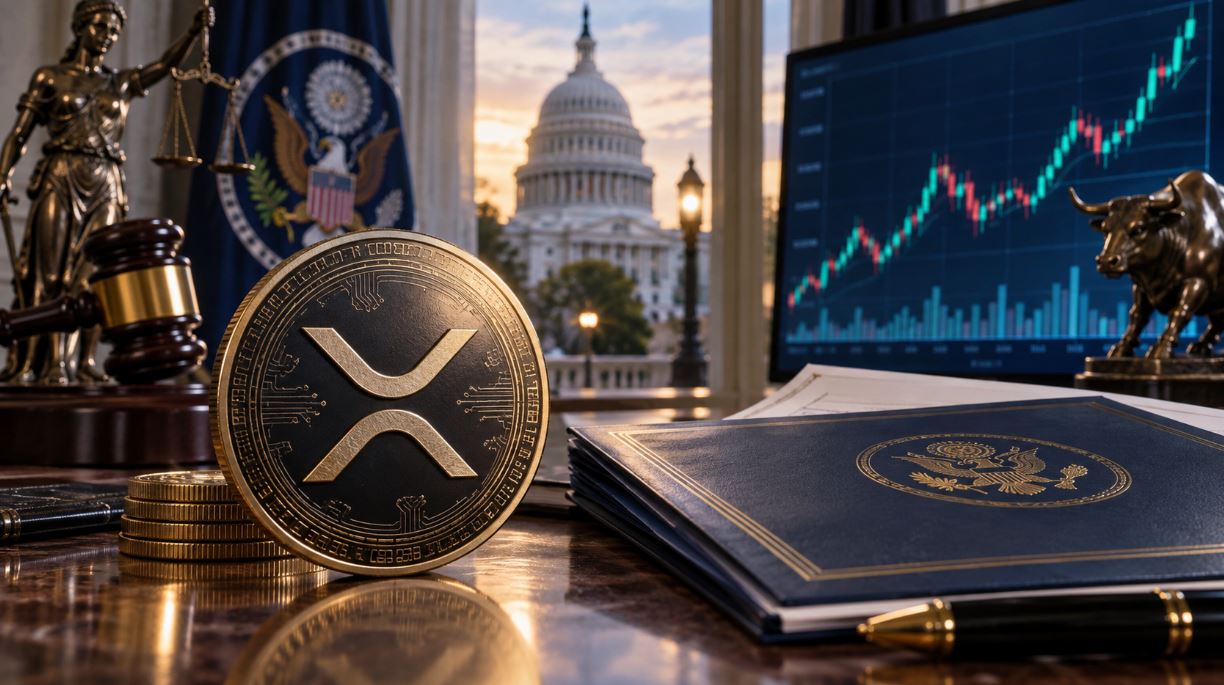
XRP could break $1.50 on expectations for CLARITY Act passage
Why it matters: Passage of the law would lower regulatory risks for XRP and could open the way to gains above $1.50.
Minnesota AG Ellison joins coalition against crypto bill
Why it matters: A growing number of opponents reduces the bill's chances of passing the Senate and heightens regulatory uncertainty.

Zetta and CVM discuss tokenization and AI at Brazil seminar
Why it matters: Brazil is accelerating regulatory work on tokenization, which could open the market to crypto companies and fintechs.
Bitcoin hits $79,000 on CLARITY Act expectations
Why it matters: Approval of the CLARITY Act could shape US spot crypto market regulation and boost institutional capital inflows.

White House adviser calls stablecoin deposit outflow a myth ahead of CLARITY Act vote
Why it matters: The outcome of the vote will determine U.S. rules on stablecoin rewards and the balance between banks and the crypto industry.