Crypto regulation news
Bessent: US goal is to remain the world's crypto capital
Why it matters: The signal of maintaining a pro-crypto US course supports expectations of light-touch industry regulation.

OFAC sanctions Xinbi Guarantee and freezes $52.8 million in USDT
Why it matters: Growing sanctions pressure on USDT wallets raises compliance risks for exchanges and stablecoin holders.
What happens if the CLARITY Act fails: SEC and CFTC ready to regulate crypto without a law
Why it matters: A failed vote would delay legislation for years but not halt regulation: agencies will keep writing rules themselves, which reduces uncertainty for the market.

New York prosecutors target $61M in crypto from Iranian oil revenue
Why it matters: Increased sanctions pressure on Iran's crypto channels could affect exchanges and services handling such flows.
Thune: CLARITY Act is the next step for crypto security
Why it matters: Support from the Senate Republican leader raises the odds of advancing the bill, which will shape rules for BTC, ETH, XRP, and SOL.

US Commerce Department Tells Kalshi to Pull GPU Compute Futures
Why it matters: Regulatory pressure on compute derivatives could slow the development of a hedging market for AI infrastructure costs.
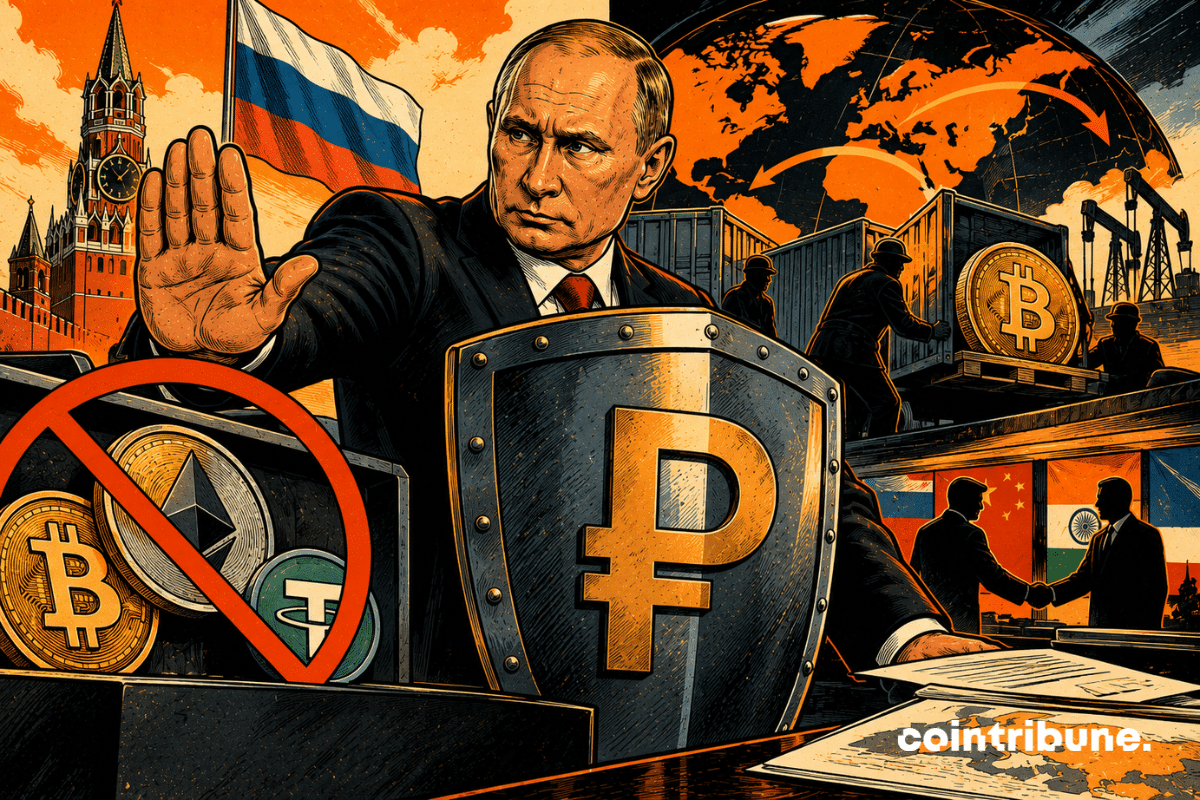
Russia bans crypto payments domestically but allows them for international settlements
Why it matters: Russia is building a two-track model: crypto for external settlements to bypass sanctions, and the digital ruble for domestic control.
Bitcoin falls to $76,000 as CLARITY Act odds drop to 11%
Why it matters: The CLARITY Act vote and the Fed meeting on September 15–16 are two binary events within a day that will determine the market's direction.

EU debates digital euro holding limit of €500–3,000
Why it matters: The digital euro is designed as a means of payment rather than an investment, and will compete with cards and euro stablecoins, not with bitcoin.

CFTC seeks exclusive jurisdiction over prediction markets in New York court
Why it matters: The outcome of the dispute will determine whether states can regulate prediction markets, which is critical for Kalshi, Polymarket, and the entire US event-contracts industry.
House votes on strategic bitcoin reserve bill
Why it matters: Approval of the reserve could give bitcoin institutional legitimacy and new demand, while rejection would disappoint the market.
Bitwise CIO: US sacrificing crypto market safety for political points
Why it matters: The comment reflects growing industry dissatisfaction with political bargaining around U.S. crypto legislation.
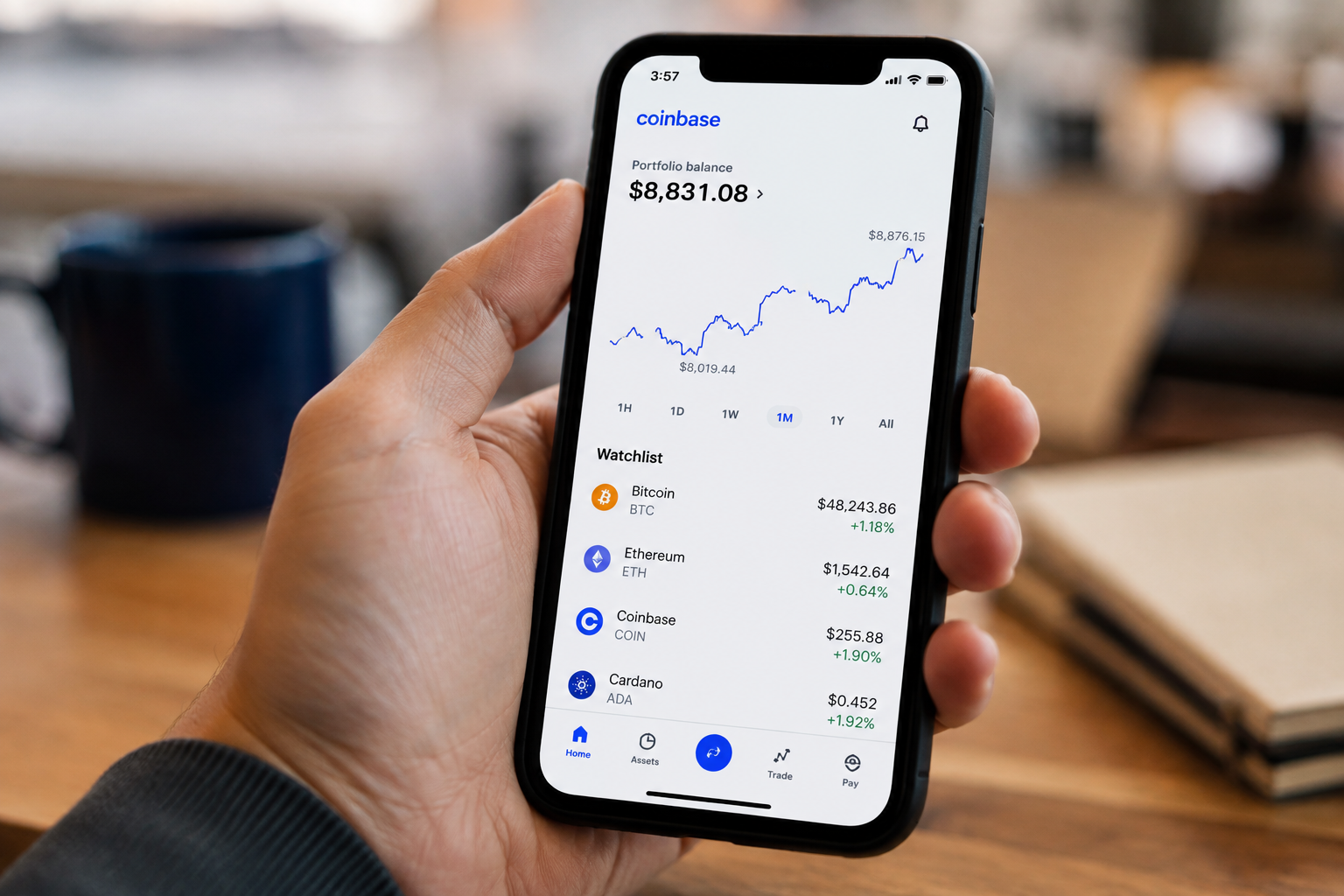
Coinbase shares rise 10% after Trump concessions on CLARITY Act
Why it matters: The bill would shift authority from the SEC to the CFTC and ease pressure on Coinbase, but falling odds of passage limit the stock's upside.

BIS: measuring economic activity on blockchain is harder than it seems
Why it matters: Differences in counting methodologies undermine trust in on-chain analytics that investors and regulators use to assess the market.

Finam: 300,000 ruble limit will cut Russians off from crypto trading
Why it matters: The restriction effectively closes retail access to crypto in Russia and pushes demand into the gray zone and toward forged documents.
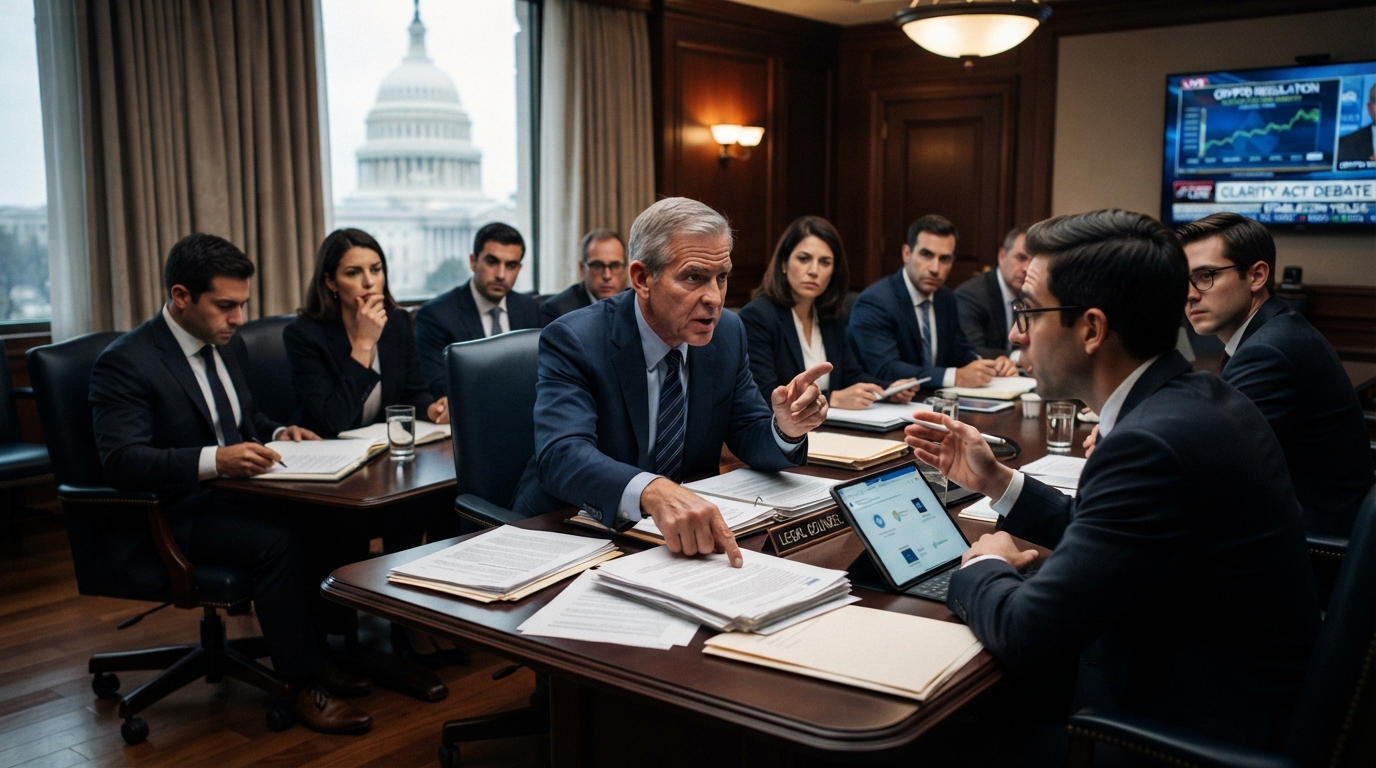
US banks seek stablecoin yield limits ahead of CLARITY Act vote
Why it matters: The outcome of the dispute will determine whether stablecoins can compete with bank deposits and how the market will be structured after the CLARITY Act.
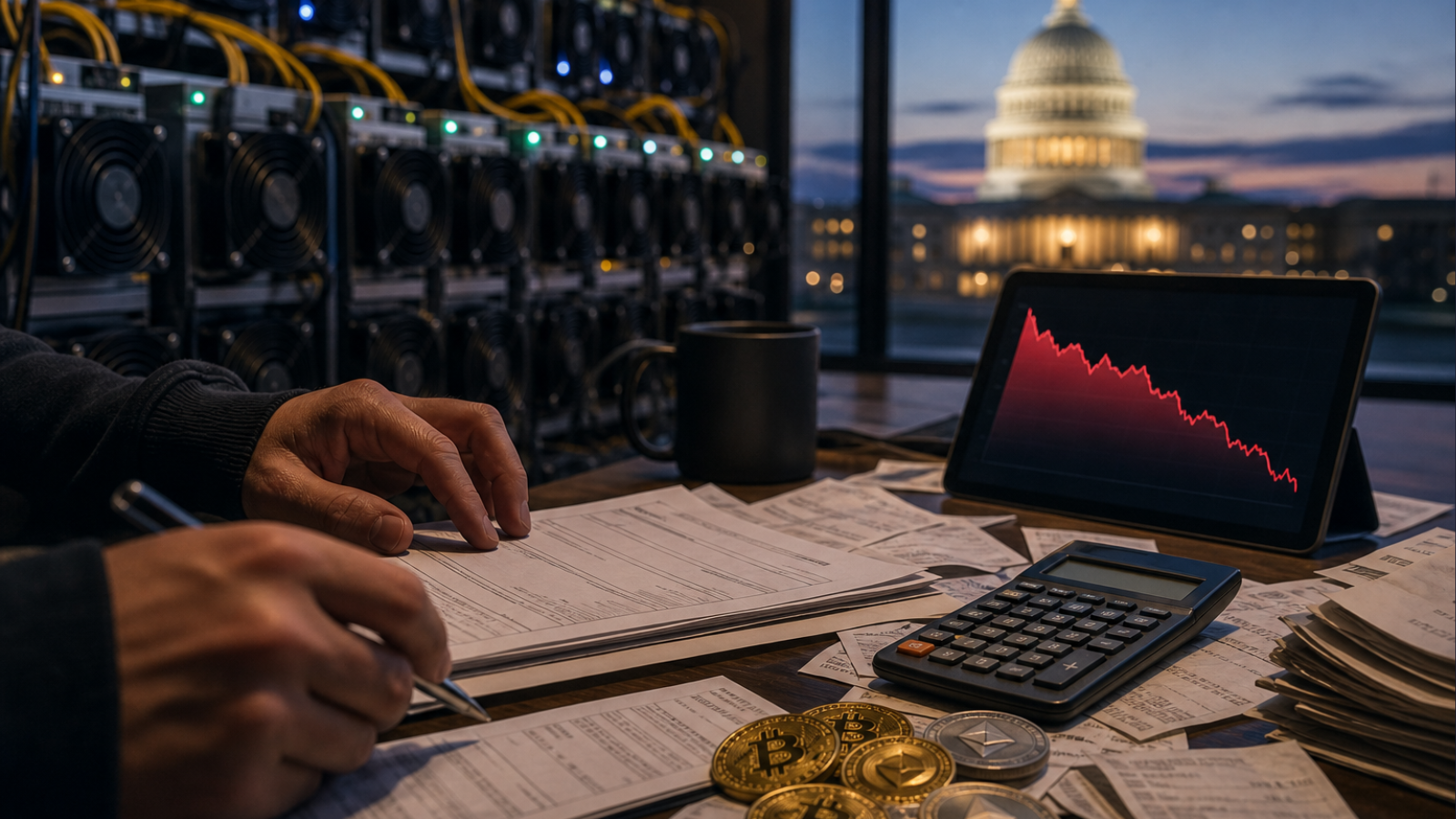
US tax bill would deny miners and stakers tax deferral
Why it matters: Miners and stakers will continue to pay tax on unsold rewards, adding pressure on their cash flow.
Warren Davidson calls for clear RWA definition in CLARITY Act
Why it matters: The definition of RWA in the law will shape regulation of tokenized assets and holders' rights to self-custody.

Coinbase urges support for CLARITY Act on ethics and consumer protection grounds
Why it matters: Passage of the law could reduce regulatory uncertainty and attract institutional capital to the crypto market.

Han Dong-hoon calls for another delay to South Korea's crypto tax
Why it matters: Another tax delay eases pressure on Korean investors and trading volumes on local exchanges.