Crypto regulation news

US tax bill would deny miners and stakers tax deferral
Why it matters: Miners and stakers will continue to pay tax on unsold rewards, adding pressure on their cash flow.
Warren Davidson calls for clear RWA definition in CLARITY Act
Why it matters: The definition of RWA in the law will shape regulation of tokenized assets and holders' rights to self-custody.

Coinbase urges support for CLARITY Act on ethics and consumer protection grounds
Why it matters: Passage of the law could reduce regulatory uncertainty and attract institutional capital to the crypto market.

Han Dong-hoon calls for another delay to South Korea's crypto tax
Why it matters: Another tax delay eases pressure on Korean investors and trading volumes on local exchanges.
Republicans reject Democrats' counteroffer on CLARITY Act
Why it matters: The collapse of the compromise lowers the odds of the CLARITY Act passing and heightens regulatory uncertainty for the U.S. crypto market.

Kyrgyzstan taps CertiK to build digital som
Why it matters: Kyrgyzstan could join the few countries with a working retail CBDC, strengthening control over cross-border transfers.

Republicans add definition to CLARITY Act cementing XRP's commodity status
Why it matters: Cementing XRP as a commodity reduces regulatory risk for the token and could accelerate institutional demand if the bill passes the Senate.

CLARITY Act faces first U.S. Senate vote: 60 votes needed
Why it matters: Passing the law would give clear rules for the U.S. crypto industry, while failure would delay regulation indefinitely.
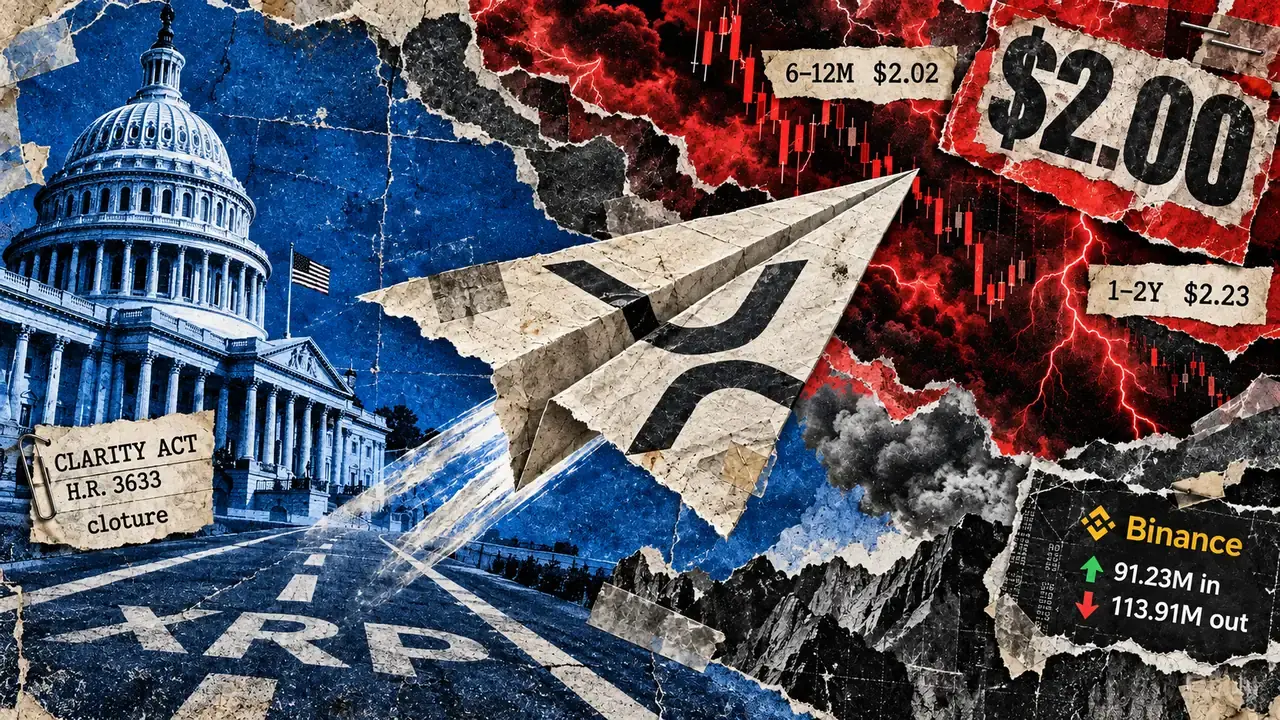
XRP's path to $2 hinges on Senate CLARITY Act vote
Why it matters: Passing the CLARITY Act could remove regulatory uncertainty and push XRP toward the break-even zone above $2 for its largest holders.
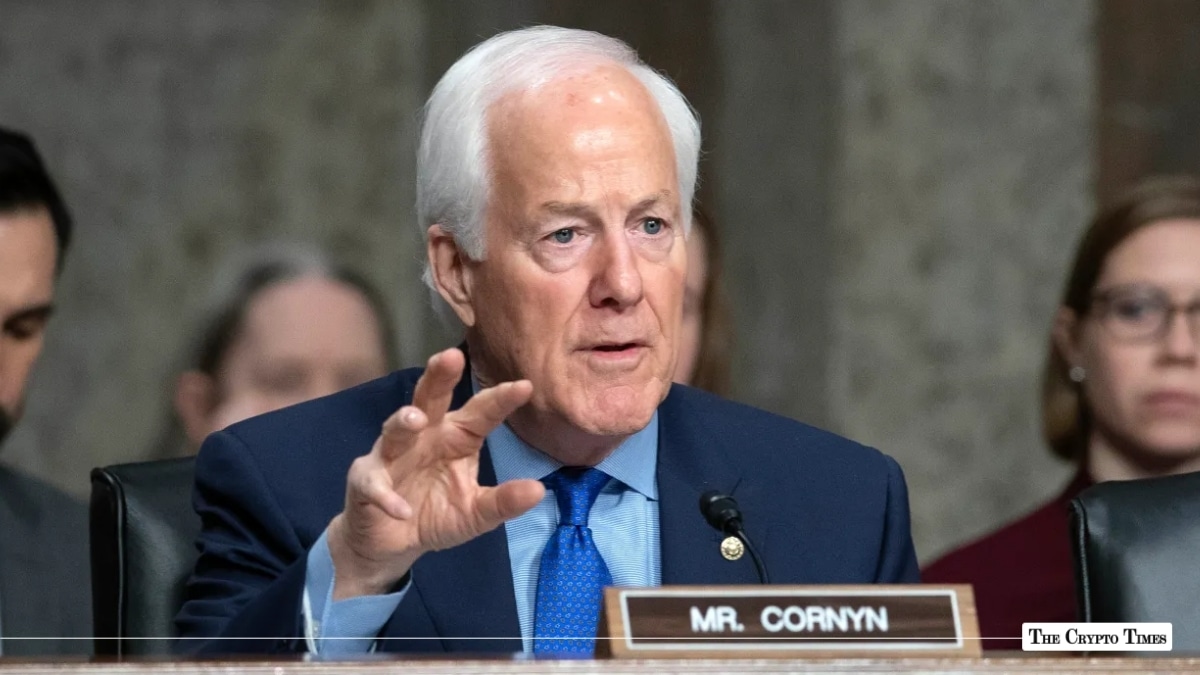
Senator Cornyn may side with banks ahead of CLARITY Act vote
Why it matters: A failed vote would stall market structure legislation until the midterms, deepening regulatory uncertainty for the crypto industry.

CLARITY Act: ethics and stablecoin yield rules changed before vote
Why it matters: The vote's outcome will determine whether the U.S. crypto market gets federal rules or remains in a regulatory vacuum.

U.S. Senate decides crypto regulation's fate as Democrats oppose Trump investments
Why it matters: The vote's outcome will set the rules for the U.S. crypto market and affect bitcoin and altcoins.

Japan's FSA includes 'onchain finance' in its fiscal 2026 plan
Why it matters: Japan is turning its tokenization strategy into concrete regulatory steps, which could accelerate institutional adoption of onchain settlement in Asia.
What the Senate vote on the CLARITY Act decides for XRP, BTC, ETH and SOL
Why it matters: The outcome of the vote will determine the regulatory status of the largest assets in the U.S. and could move the market.

Spain's CNMV chief: crypto has 'very clear advantages'
Why it matters: The Spanish regulator's softer rhetoric could speed up crypto adoption in the EU amid MiCA.

Korea's deputy PM nominee: crypto tax from 2027, but burden will be small
Why it matters: It confirms the timing of the tax in one of the largest crypto jurisdictions but signals a light burden for retail.

Kazakhstan prepares stablecoins for trade and USDT and USDC analogues
Why it matters: Kazakhstan is creating a regulated alternative to USDT and USDC and a settlement hub with Binance, intensifying competition for the stablecoin market in Central Asia.

Argentina joins OECD automatic crypto data exchange
Why it matters: The expansion of automatic crypto data exchange increases tax transparency and pressure on digital asset holders in Argentina.

Circle shares fall 4.7% ahead of CLARITY Act vote
Why it matters: The bill's stablecoin yield restrictions directly affect Circle's business model, and a failed vote would hit crypto stocks.

Japan Launches BCCC Tax Committee on Crypto and Stablecoins
Why it matters: Japan is preparing tax rules for crypto: BCCC's proposals could influence the regime for companies and investors.