Crypto regulation news
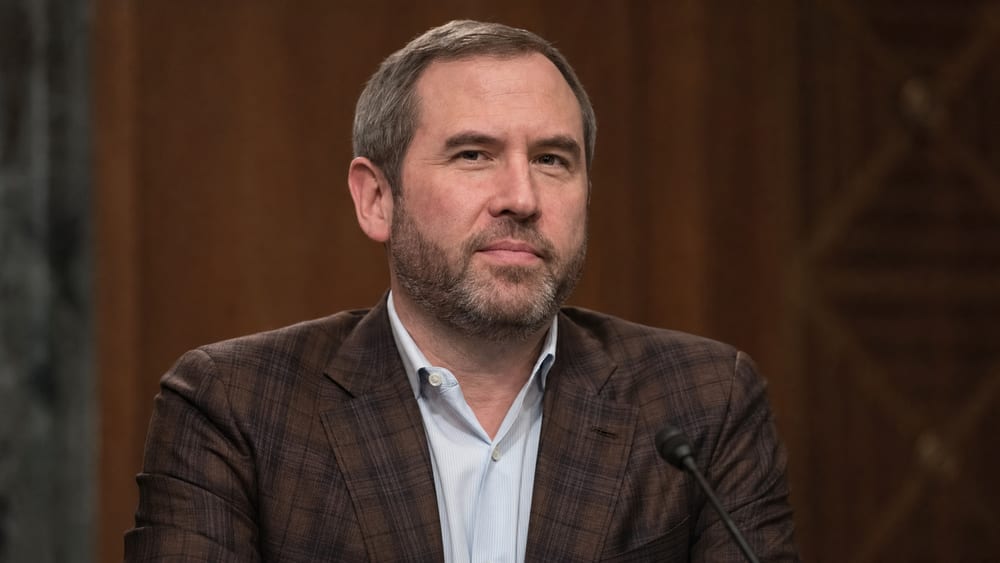
Garlinghouse: US crypto industry will grow even without CLARITY Act
Why it matters: A signal that Ripple and the industry are prepared to grow regardless of the CLARITY Act vote outcome, reducing the market's reliance on a single bill.

Analyst: stablecoins create demand for US Treasuries and strengthen the dollar
Why it matters: The argument links stablecoin regulation to the resilience of the US Treasury market and the dollar's position against the yuan.

New Hampshire crypto ATM restrictions take effect
Why it matters: Tighter rules for crypto ATMs in the US could reduce access to cash-based crypto transactions and set an example for other states.

France's Council of State rejects Paymium and Bull Bitcoin challenge to DAC8
Why it matters: In France, crypto platforms are required to report client data to tax authorities; Bull Bitcoin's challenge could reach the EU court.

Chainalysis traces on-chain movement of Iranian oil revenue
Why it matters: Growing regulatory scrutiny of sanctioned flows could lead to tighter compliance for exchanges and pressure on the market.

Bank of England official: stablecoin growth will strengthen dollar dominance
Why it matters: The growth of stablecoins strengthens demand for US Treasuries, which supports the dollar and influences digital asset regulation.

Lummis: CLARITY Act is 'now or never' ahead of Senate vote
Why it matters: The outcome of the vote will determine regulatory clarity for the US crypto market and the movement of BTC, ETH, XRP, and SOL.

Bessent: CLARITY Act needed to expand Treasury's powers to combat sanctions evasion
Why it matters: A new argument in favor of the CLARITY Act could influence the Senate vote and the regulation of the US crypto market.

Congress talks stall an hour before CLARITY Act vote
Why it matters: A failed procedural vote would delay US market rules and hit XRP, BTC, ETH and SOL.

Revolut data leak casts doubt on its US banking license
Why it matters: The leak could slow Revolut's bid for a US banking license and increase regulatory pressure on crypto fintechs.

Argentina's CNV restricts brokerage account funding to fiat only
Why it matters: Tighter funding rules in Argentina limit crypto investors' access to the local capital market.
Sanders: US crypto industry spent $300M to buy Congress
Why it matters: It increases political pressure on the crypto industry and could influence voting on crypto bills in the Senate.

Bitcoin below weekly support ahead of CLARITY Act vote and Fed decision
Why it matters: The overlap of the CLARITY Act vote and the Fed decision could trigger sharp moves; losing $72,270 would open the way to a deeper correction.

Kazakhstan's National Bank to create Digital Assets Committee
Why it matters: Kazakhstan is moving about 1 million foreign wallets of its citizens into the regulated AIFC environment, intensifying competition for crypto infrastructure in the CIS.

Coinbase VP: crypto rules will come via Congress or regulators
Why it matters: The signal of reduced U.S. regulatory uncertainty supports institutional interest in the crypto market.
Bessent: US goal is to remain the world's crypto capital
Why it matters: The signal of maintaining a pro-crypto US course supports expectations of light-touch industry regulation.

OFAC sanctions Xinbi Guarantee and freezes $52.8 million in USDT
Why it matters: Growing sanctions pressure on USDT wallets raises compliance risks for exchanges and stablecoin holders.
What happens if the CLARITY Act fails: SEC and CFTC ready to regulate crypto without a law
Why it matters: A failed vote would delay legislation for years but not halt regulation: agencies will keep writing rules themselves, which reduces uncertainty for the market.
New York prosecutors target $61M in crypto from Iranian oil revenue
Why it matters: Increased sanctions pressure on Iran's crypto channels could affect exchanges and services handling such flows.
Thune: CLARITY Act is the next step for crypto security
Why it matters: Support from the Senate Republican leader raises the odds of advancing the bill, which will shape rules for BTC, ETH, XRP, and SOL.