Crypto regulation news

Lummis blasts Senate Democrats over failed consumer protections in crypto bill
Why it matters: The failure of consumer protection and ethics provisions adds to uncertainty around U.S. crypto regulation and weighs on the market.

Digital Chamber reaffirms commitment to CLARITY Act after failed vote
Why it matters: The stance of a major industry association signals that the crypto industry will keep pushing for a market structure law.

Brazil's CVM discusses tokenization with Binance and Base
Why it matters: The regulator's dialogue with major players could accelerate the formation of tokenization rules in Brazil.

Stand With Crypto threatens election fallout after CLARITY Act fails
Why it matters: Pressure from crypto voters could influence the Senate composition and the fate of crypto regulation in the U.S.

BCCC discusses 20% crypto tax: DeFi and stablecoin questions remain
Why it matters: Tax clarity is critical for Japanese investors and companies: without rules for DeFi and stablecoins, mass adoption will be delayed.

Garlinghouse: CLARITY Act failure is disappointing, but US crypto future optimistic
Why it matters: The CLARITY Act's failure leaves U.S. crypto regulation to the SEC and CFTC, maintaining uncertainty for XRP and the industry.

House Agriculture Committee urges Congress to pass digital asset rules
Why it matters: A signal that part of Congress is ready to advance crypto regulation, but there are no specific timelines or bill text yet.

Ripple releases regulatory guide for institutions on RLUSD
Why it matters: Helps institutions navigate stablecoin regulation and could accelerate RLUSD adoption.

Blockchain Association urges Senate to pass market structure bill
Why it matters: Passing the law will determine who regulates the U.S. crypto market and will affect institutional demand.

Strategy shares fall 5% after CLARITY Act fails in Senate
Why it matters: The CLARITY Act's failure delays clear market rules and increases pressure on crypto stocks and bitcoin ahead of the elections.

Democratic senator: CLARITY Act not dead, crypto regulation needed
Why it matters: A signal that the CLARITY Act could return to the agenda, reducing regulatory uncertainty for crypto in the U.S.

Bitcoin repeats 2022 setup as CLARITY Act stalls
Why it matters: The fate of the CLARITY Act remains the main volatility trigger: a failed vote could accelerate a BTC drop toward $70,000.
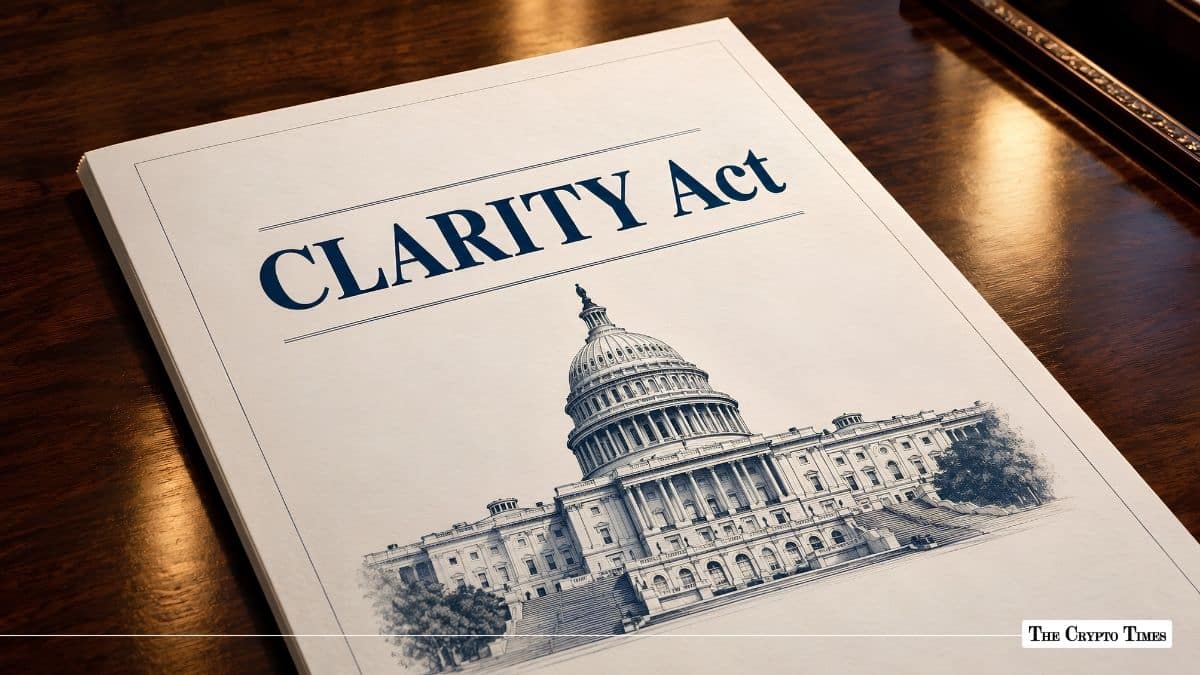
TD Cowen: 60% chance CLARITY Act procedural vote fails
Why it matters: A failed vote would delay U.S. crypto market regulation and hit expectations for XRP, BTC and ETH.

$370M liquidated amid CLARITY Act uncertainty
Why it matters: A CLARITY Act failure would leave the U.S. crypto industry without clear rules and keep the market in a high-volatility mode until the Fed meeting.

São Paulo prosecutors begin crypto tracing training via Chainalysis
Why it matters: Regions are stepping up on-chain analytics to fight crypto money laundering, raising risks for illicit services.

CLARITY Act fails procedural vote in US Senate
Why it matters: The US crypto market structure bill is blocked, leaving the SEC and CFTC with their current powers and prolonging regulatory uncertainty for the industry.
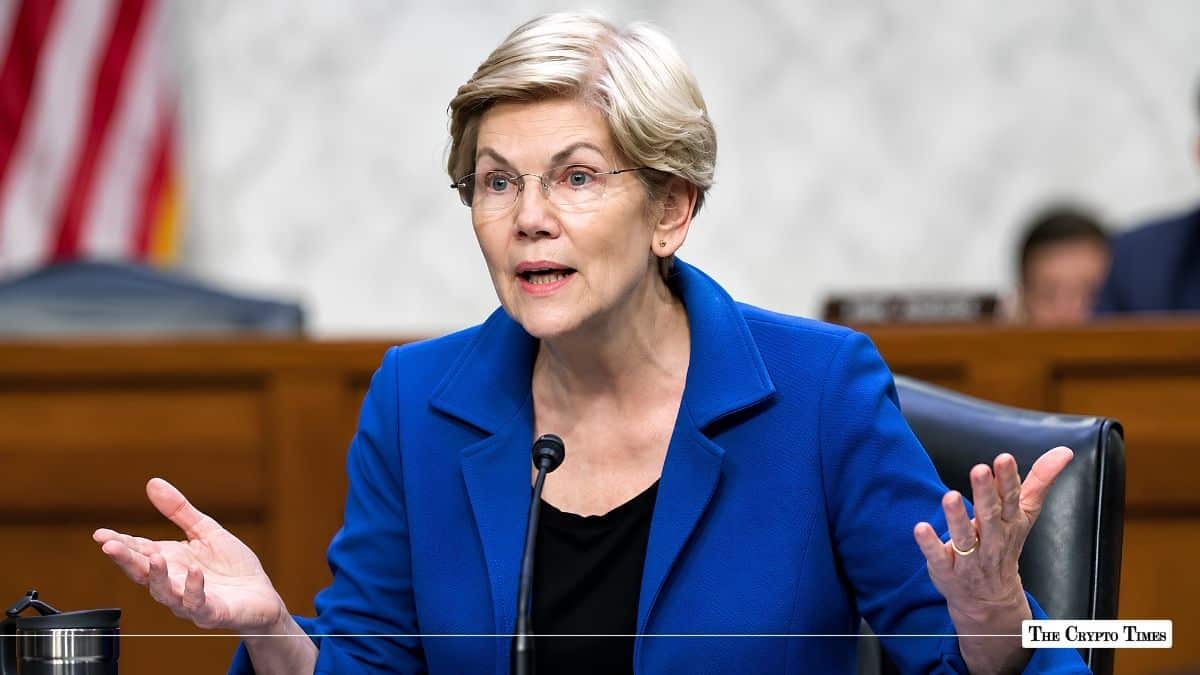
Warren urges Senate to vote against CLARITY Act over Trump ethics
Why it matters: The Democratic stance lowers the chances of reaching 60 votes and heightens uncertainty over US crypto regulation.

Warren: passing CLARITY Act risks US economic crisis
Why it matters: It strengthens resistance to the bill ahead of the Senate vote, raising uncertainty for the market.
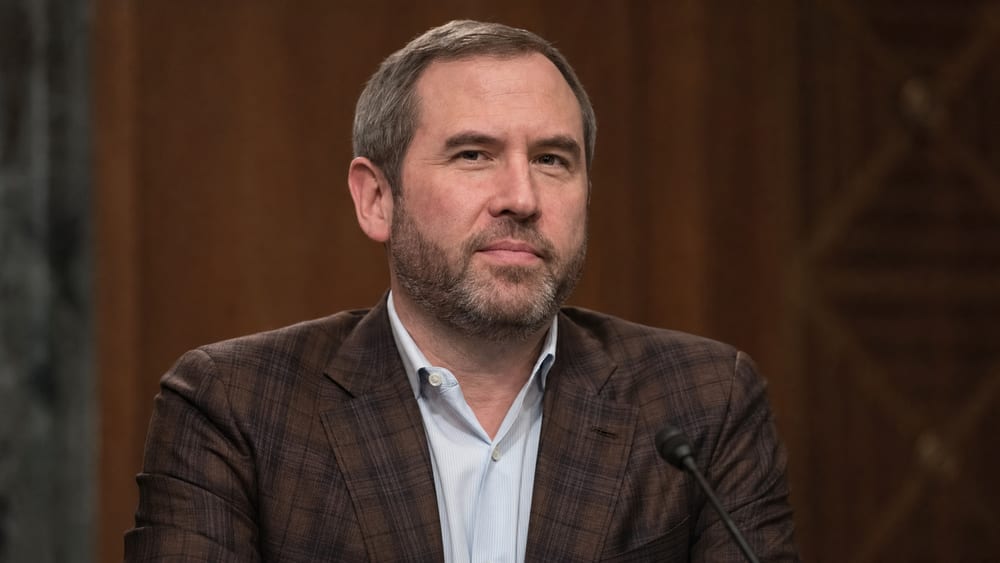
Garlinghouse: US crypto industry will grow even without CLARITY Act
Why it matters: A signal that Ripple and the industry are prepared to grow regardless of the CLARITY Act vote outcome, reducing the market's reliance on a single bill.

Analyst: stablecoins create demand for US Treasuries and strengthen the dollar
Why it matters: The argument links stablecoin regulation to the resilience of the US Treasury market and the dollar's position against the yuan.