Crypto regulation news
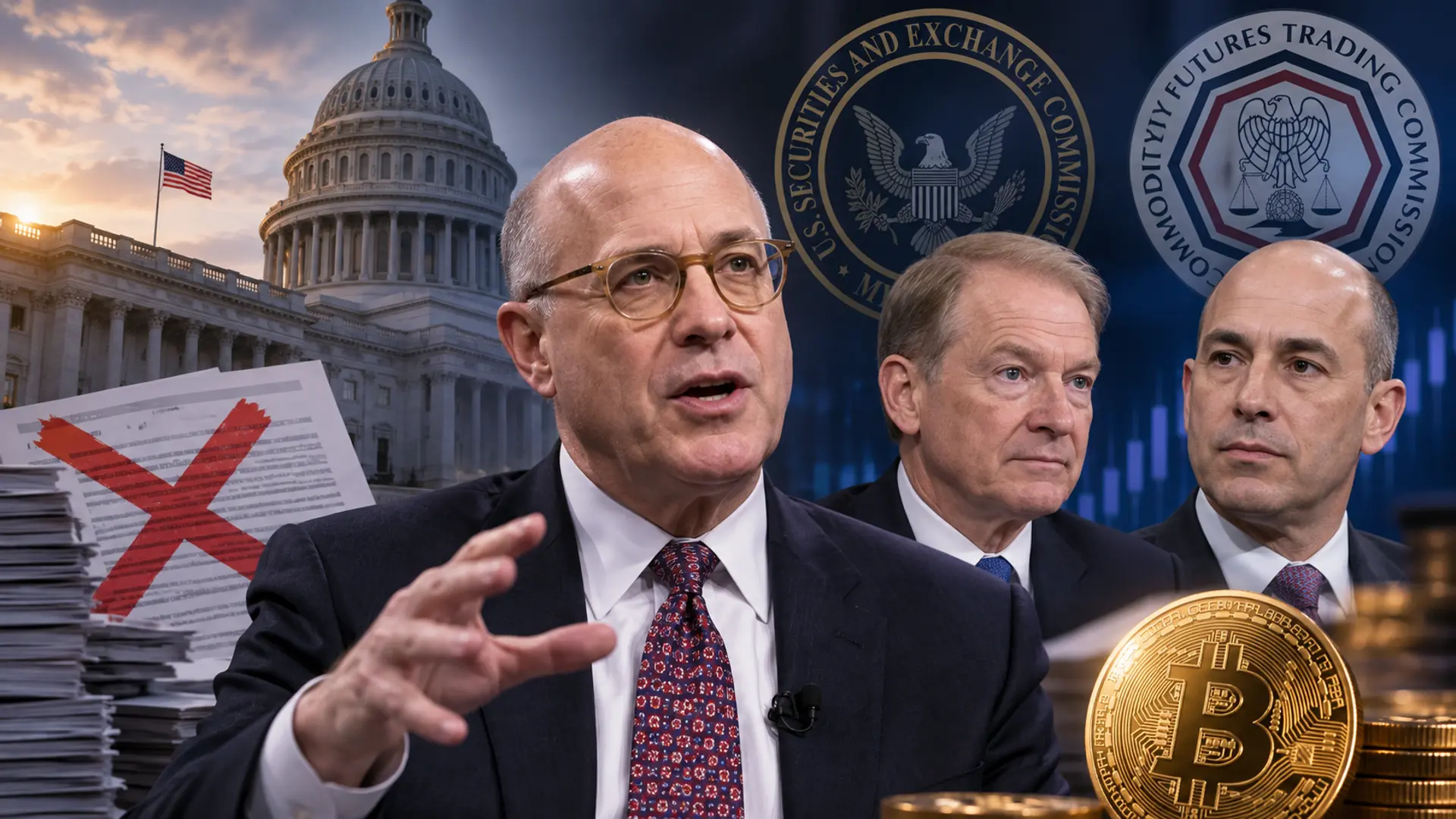
Ex-CFTC chief: CLARITY Act failure won't stop US crypto regulation
Why it matters: Without legislation, crypto rules will be set by the SEC and CFTC, increasing the risk of regulatory reversals when power changes hands.

Crypto industry pivots to US regulators after CLARITY Act failure
Why it matters: Without the CLARITY Act, crypto rules will be determined by regulators, increasing uncertainty for the market and holders.

Kazakhstan approves 65-measure plan to develop digital asset market
Why it matters: Kazakhstan is moving from piecemeal mining regulation to a comprehensive digital asset framework, which could attract institutional capital to the region.
Digest: Fin.com raises $20 million, Solana lifts transaction limit, CLARITY Act fails in Senate
Why it matters: The failure of the CLARITY Act delays clear rules for the U.S. crypto market, while Solana's expansion lowers barriers for complex on-chain operations.

FT: Orlen's failed $230 million Venezuela oil deal ran through USDT
Why it matters: The case shows how USDT is used to circumvent sanctions in large commodity deals, increasing regulatory pressure on stablecoins.
SEC Chair Atkins directs staff to draft self-custody crypto rules for advisers
Why it matters: Easing the SEC's custody requirements could open direct crypto access for institutional advisers without third-party custodians.

John Deaton: bitcoin will be part of the solution to the dollar's decline
Why it matters: The Senate candidate's stance reflects growing bitcoin support in US politics amid debate over the CLARITY Act.

Poland charges three ex-Orlen managers over $378M oil deals
Why it matters: The case shows how stablecoins are used to circumvent sanctions and why USDT settlements do not eliminate counterparty risk.

BitGo urges federally regulated bank custody as CLARITY Act stalls
Why it matters: The delay of the CLARITY Act is boosting demand for regulated custody solutions, which could shift institutional flows toward banks.

Compound founder: CLARITY Act failure made everyone a loser
Why it matters: The bill's failure keeps US regulatory uncertainty in place and risks an exodus of crypto projects overseas.
Warren: crypto law needed, but not the current CLARITY Act
Why it matters: Warren's stance shapes the future of US crypto legislation: without her support, a new law is only possible after the elections.

F2Pool co-founder criticizes 'permanent address' KYC requirement
Why it matters: Shows continued industry pressure on KYC practices, but the statement carries no concrete regulatory consequences.
Armstrong: CLARITY Act failed, but clear rules will come without Congress
Why it matters: A signal that the largest US exchange is not waiting for lawmakers and is betting on regulators — reducing uncertainty for the market.

Ripple and Strategy: CLARITY Act failure leaves XRP and BTC legal status unchanged
Why it matters: The bill's failure keeps US regulatory uncertainty alive, but existing court and regulatory decisions continue to protect XRP and BTC.
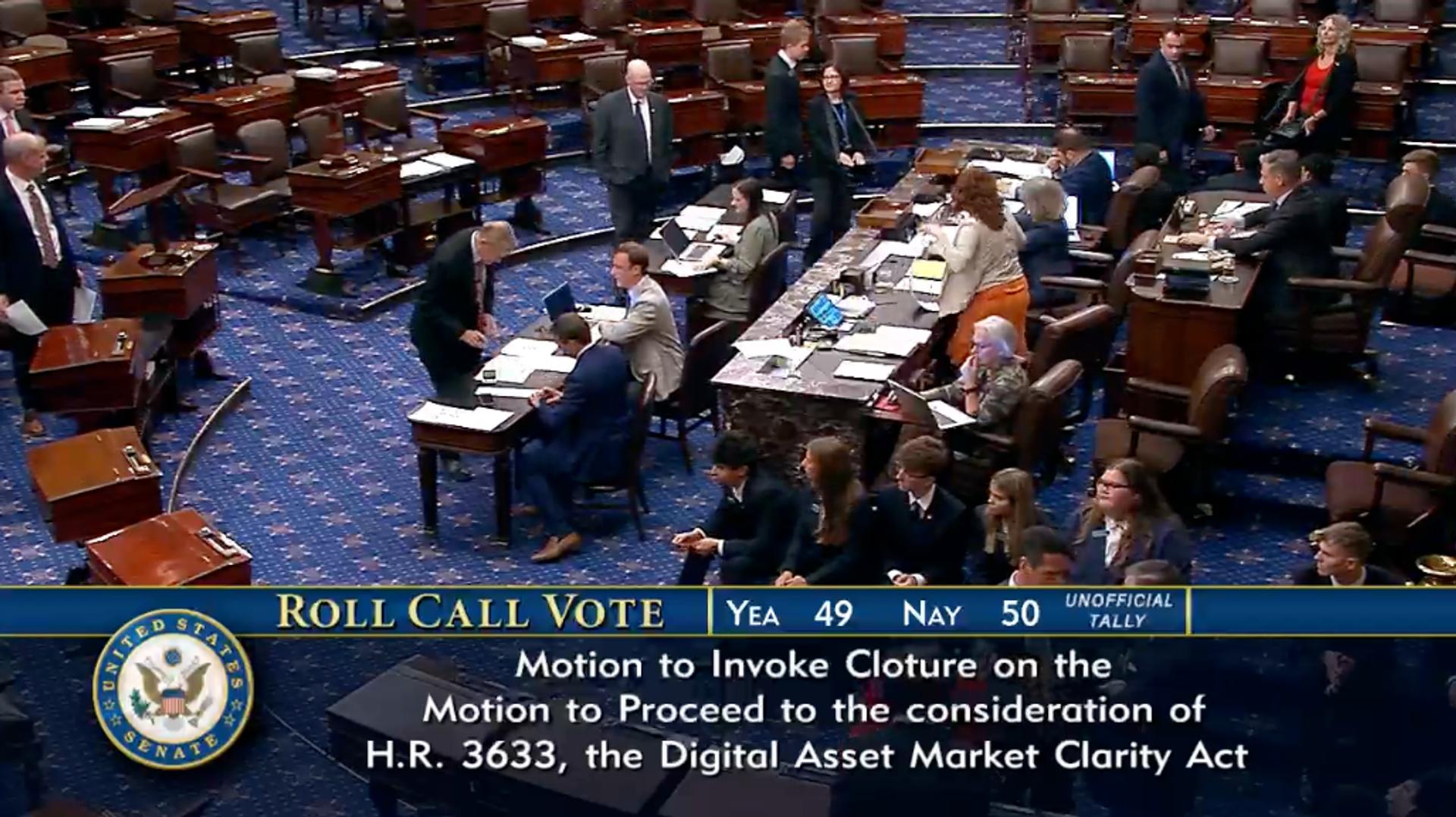
CoinDesk: CLARITY Act failure caused by last-minute behind-the-scenes disputes
Why it matters: Without the CLARITY Act, U.S. crypto regulation remains uncertain, weighing on the market and delaying institutional inflows.

Lummis blasts Senate Democrats over failed consumer protections in crypto bill
Why it matters: The failure of consumer protection and ethics provisions adds to uncertainty around U.S. crypto regulation and weighs on the market.

Digital Chamber reaffirms commitment to CLARITY Act after failed vote
Why it matters: The stance of a major industry association signals that the crypto industry will keep pushing for a market structure law.

Brazil's CVM discusses tokenization with Binance and Base
Why it matters: The regulator's dialogue with major players could accelerate the formation of tokenization rules in Brazil.

Stand With Crypto threatens election fallout after CLARITY Act fails
Why it matters: Pressure from crypto voters could influence the Senate composition and the fate of crypto regulation in the U.S.

BCCC discusses 20% crypto tax: DeFi and stablecoin questions remain
Why it matters: Tax clarity is critical for Japanese investors and companies: without rules for DeFi and stablecoins, mass adoption will be delayed.