Crypto regulation news

FCA and Bank of England wrap up tokenization consultation: collateral mobility is the priority
Why it matters: The shift from sandboxes to permanent regulation could accelerate institutional tokenization in the UK and set a standard for other jurisdictions.

Politico: crypto industry failed to buy the US Congress
Why it matters: The failure of the industry's lobbying strategy reduces the chances of swift passage of crypto legislation in the US.

Goldman Sachs denied bitcoin-backed loan but funded unsecured lending
Why it matters: Basel capital requirements, not legislation, determine banks' access to bitcoin; a US decision on SCO60 is expected in 2026.

Russia's FAS proposes banning energy firms from operating mining infrastructure
Why it matters: Restricting miners' access to energy capacity will increase pressure on the industry in Russia and accelerate the shift of capacity to AI loads.

Securitize: tokenized securities don't depend on CLARITY Act
Why it matters: Asset tokenization can develop without new U.S. legislation, reducing the industry's dependence on the fate of the CLARITY Act.

Saxo: Coinbase is the hardest hit by CLARITY Act failure
Why it matters: The assessment indicates that the U.S. regulatory pause hits the largest public exchange harder than the rest of the market.

CFTC to regulate crypto without Congress after CLARITY Act failure
Why it matters: US crypto regulation is shifting from Congress to the CFTC, giving the industry partial clarity but leaving rules vulnerable to changes in power.

Hoskinson explains CLARITY Act failure: too broad, no consensus
Why it matters: The CLARITY Act's failure leaves the US crypto market without clear rules, and the debate over splitting regulation will shape Congress's next steps.

CFTC Chair Selig: US will remain crypto capital, regulator to chart its own course
Why it matters: A signal that US crypto regulation will continue through the CFTC even without new legislation, reducing uncertainty after the failure of the CLARITY Act.

Ripple: XRP legally stable after CLARITY Act fails in Senate
Why it matters: Legal certainty for XRP reduces regulatory risks for holders despite the broader market decline after the bill's failure.

U.S. DOJ: Hamas military wing told donors to avoid Binance
Why it matters: New confirmation of crypto exchanges being used to circumvent sanctions increases regulatory pressure on the industry.

Lummis: crypto tax bill and bitcoin reserve advance in Congress
Why it matters: Clarifying tax rules and creating a BTC reserve could accelerate institutional inflows into the US crypto market.

US Senate Republicans introduce new 635-page version of CLARITY Act
Why it matters: The new version could bring the bill back to a vote and shape US crypto market regulation for years to come.

BoE FPC member: mass stablecoin redemptions could hit the US Treasury market
Why it matters: Stablecoins have become a major holder of US government debt, and a wave of redemptions could amplify volatility in the Treasuries market.
CFTC chair: commission ready to issue rules for new financial areas
Why it matters: The signal of imminent CFTC rulemaking could set the rules of the game for the U.S. crypto market amid the stalling of the CLARITY Act.
JPMorgan: CLARITY Act not dead, but chances of passage this year minimal
Why it matters: The absence of market structure legislation leaves crypto regulation to agency discretion, increasing uncertainty for institutions.

Coin Center: US tax bill mischaracterizes block reward income
Why it matters: If the provision becomes law, it could cement the IRS's flawed position and undermine the legal dispute over block reward taxation.
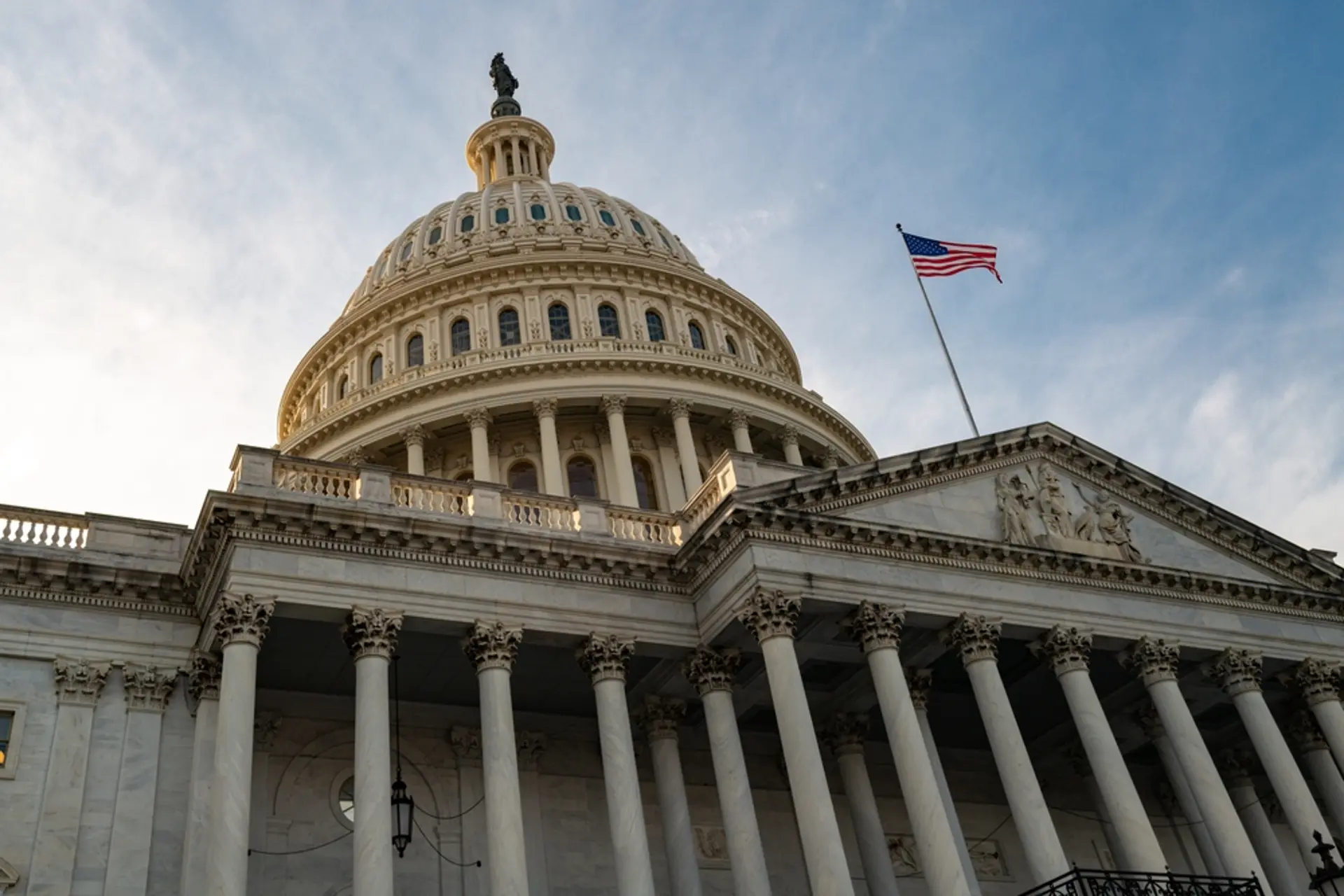
US House begins review of crypto tax and strategic Bitcoin reserve bills
Why it matters: Passing the bills would determine crypto taxation in the US and create a state Bitcoin reserve, affecting institutional demand.

Saylor: Bitcoin doesn't need the CLARITY Act, banks are the next phase
Why it matters: It signals that institutional demand for Bitcoin can grow through banks and regulators even without comprehensive legislation.
Breaking down why the CLARITY Act failed in the US Senate
Why it matters: The failure of the CLARITY Act delays clear rules for the US crypto market and hands regulation to the SEC and CFTC.