Crypto regulation news
SEC: extended-hours trading is under 1% of volume, EDGAR overnight in question
Why it matters: Round-the-clock stock trading is part of the trend toward tokenization and 24/7 markets; overnight disclosure delays could become a risk for investors.
US to extend stock trading to 23 hours a day from December 6
Why it matters: Extending stock trading hours intensifies competition with the crypto market and accelerates the tokenization of traditional assets.
CFTC exempts crypto wallets from broker status in derivatives trading
Why it matters: The US continues to regulate crypto through agency exemptions rather than legislation, reducing risks for wallets but leaving the rules reversible.
Hester Peirce confirms existence of SEC innovation exemption
Why it matters: The mechanism could set the framework for future SEC decisions and reduce regulatory uncertainty for crypto projects.
Pentagon runs classified bitcoin projects for 'strategic advantage'
Why it matters: The signal of U.S. military involvement in crypto reinforces the narrative of state interest in bitcoin.

UK tightens oversight: regulators raid P2P crypto platforms
Why it matters: The UK's tightening oversight sets the tone for other jurisdictions and increases compliance burdens on P2P services.

Saylor: SEC exemption allows 24/7 on-chain trading of STRC and MSTR
Why it matters: If the SEC exemption is finalized, major public companies could issue tokenized shares with 24/7 trading, accelerating the merger of TradFi and blockchain.
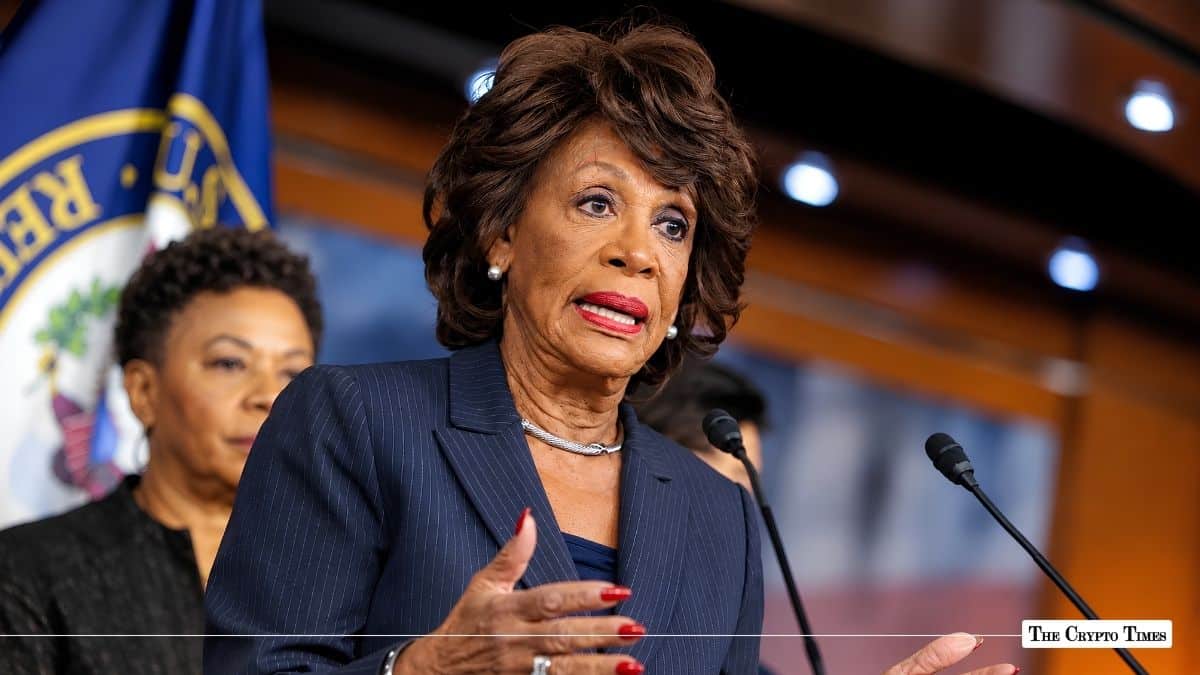
Waters criticizes CLARITY Act over Trump's crypto interests
Why it matters: The failure of the CLARITY Act leaves US crypto market regulation uncertain until the end of 2026, increasing pressure on the industry.

Gary Gensler: bitcoin is the only crypto that resembles a commodity
Why it matters: The former SEC chair's remarks reaffirm bitcoin's commodity status and widen the regulatory gap between bitcoin and altcoins.

Brazil's CVM Finalizes Rules for Blockchain Tokenization Pilot
Why it matters: The pilot's results will inform amendments to Brazil's capital markets legislation and could accelerate tokenization for retail investors.
Terrett Reveals SEC Innovation Exemption Discussion at Avalanche Summit
Why it matters: The discussion's outcomes could influence the SEC's approach to tokenization and crypto companies' compliance strategies.

SEC Chair Atkins: Innovation Exemption to Cement U.S. Leadership in New Finance
Why it matters: The signal of easing SEC regulatory pressure could accelerate crypto product launches in the U.S. and reduce risks for the industry.
Peirce: SEC innovation exemption does not apply to DeFi
Why it matters: Clarifying the exemption's boundaries reduces regulatory uncertainty for DeFi protocols and sets the framework for tokenized securities.
Deutsche Bank expects MiCA license to launch BTC and ETH custody by year-end
Why it matters: A major systemically important EU bank entering regulated crypto custody strengthens institutional access to BTC and ETH.

FinCEN: suspicious crypto transactions tied to scam centers reach $12.7 billion
Why it matters: Stronger reporting and data sharing between banks and exchanges will make it harder for scam networks to cash out and increase compliance burdens on crypto services.

SEC undecided on whether TSVs and market makers are exchanges or dealers
Why it matters: Uncertainty over the status of TSVs and market makers keeps legal risks for crypto infrastructure and could lead to new SEC lawsuits or rules.
SEC moves toward 24-hour US stock trading, tokenization may aid settlement
Why it matters: Extended trading hours and tokenized equities strengthen the link between traditional markets and blockchain, opening new scenarios for crypto infrastructure.
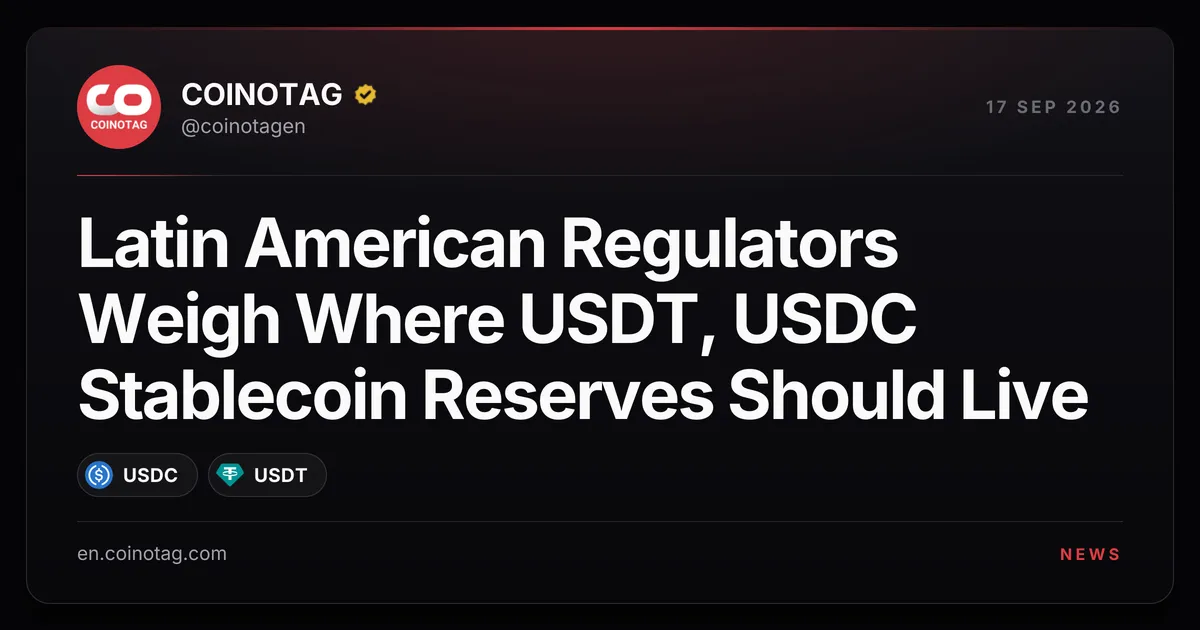
Latin American regulators discuss where to hold USDT and USDC reserves
Why it matters: Reserve custody rules will determine whether local banks and exchanges can work with USDT and USDC without restrictions.
CFTC issues no-action position for passive software providers
Why it matters: It reduces regulatory uncertainty for trading software developers and eases access to regulated derivatives markets.
SEC: Smart Contracts for Tokenized Stocks Must Be Publicly Auditable
Why it matters: It sets the first clear requirements for tokenized stock infrastructure in the U.S., determining which venues can operate under the exemption.