Crypto regulation news
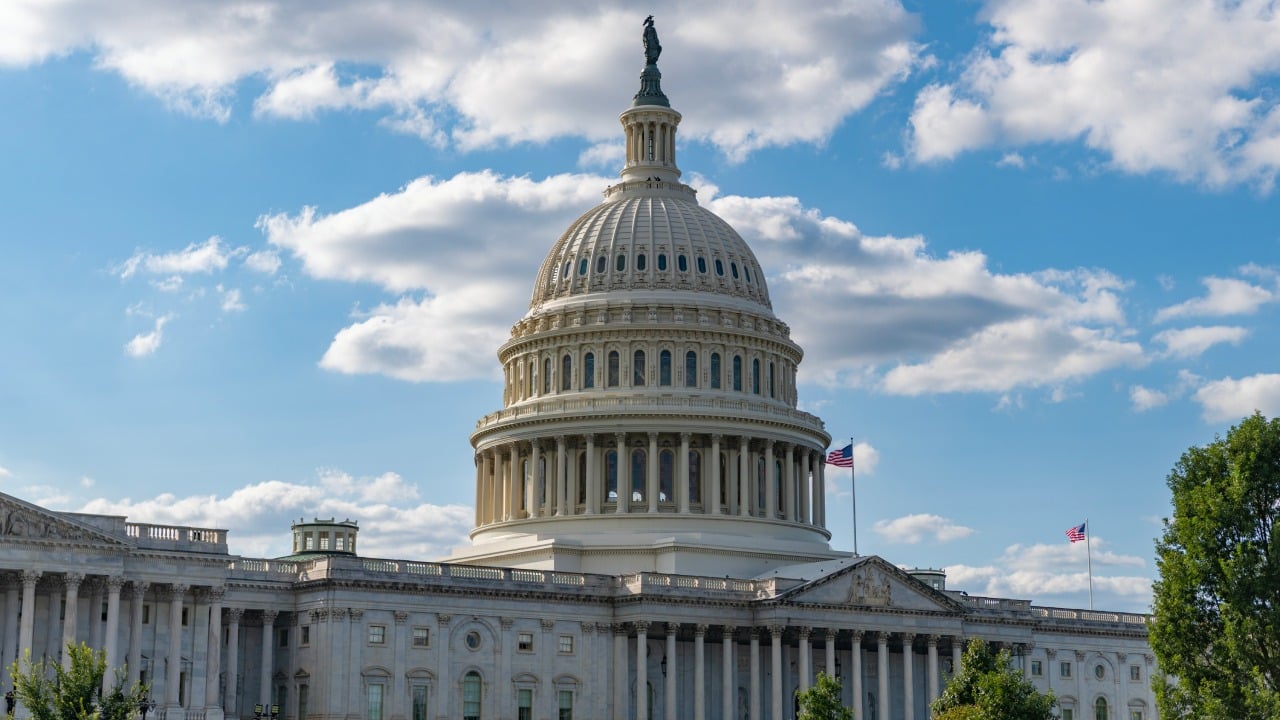
Emmer and Waters Clash Over CLARITY Act's Fate After Senate Defeat
Why it matters: The fate of the CLARITY Act determines the timing and shape of U.S. crypto market regulation, affecting exchanges, tokens and institutional inflows.
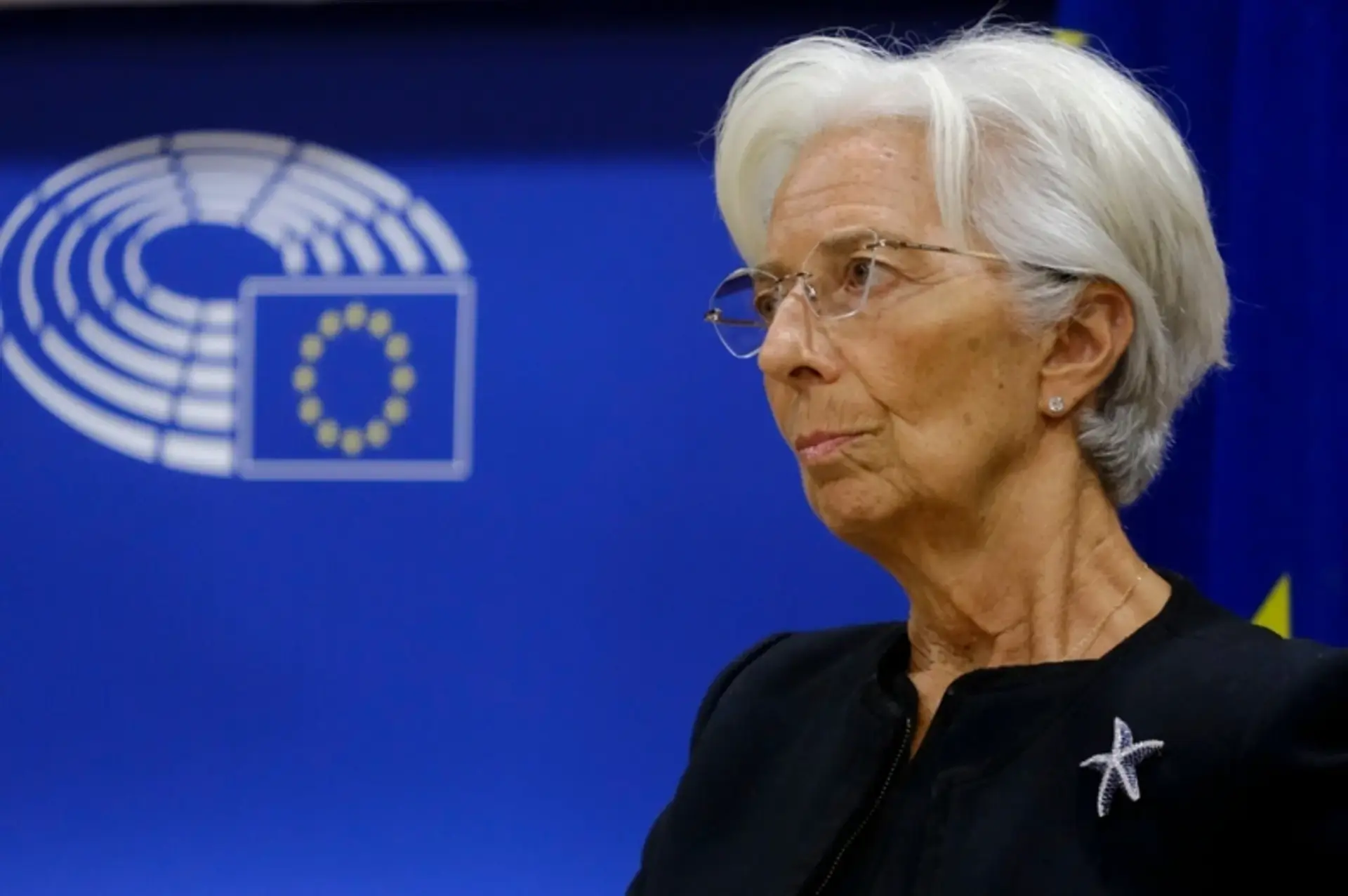
WSJ: Lagarde asked Greece to block Binance's entry into the EU market
Why it matters: Direct ECB intervention in licensing shows political pressure on the largest exchange in the EU and the risks to its European expansion.
AMC CEO backs new SEC tokenized-stock rules, urges Robinhood to follow them abroad
Why it matters: A major issuer publicly backed the SEC regime, increasing pressure on overseas venues like Robinhood to bring stock tokenization to uniform standards.
Strategy CEO: SEC's five-year tokenization exemption will become the permanent norm
Why it matters: A signal from a major BTC holder that stock tokenization and round-the-clock trading will become the standard accelerates the convergence of crypto and traditional finance.

US disrupts crypto exchange linked to Iran in Operation Economic Outcast
Why it matters: This continues US sanctions pressure on Iranian crypto channels, raising risks for platforms tied to sanctioned jurisdictions.
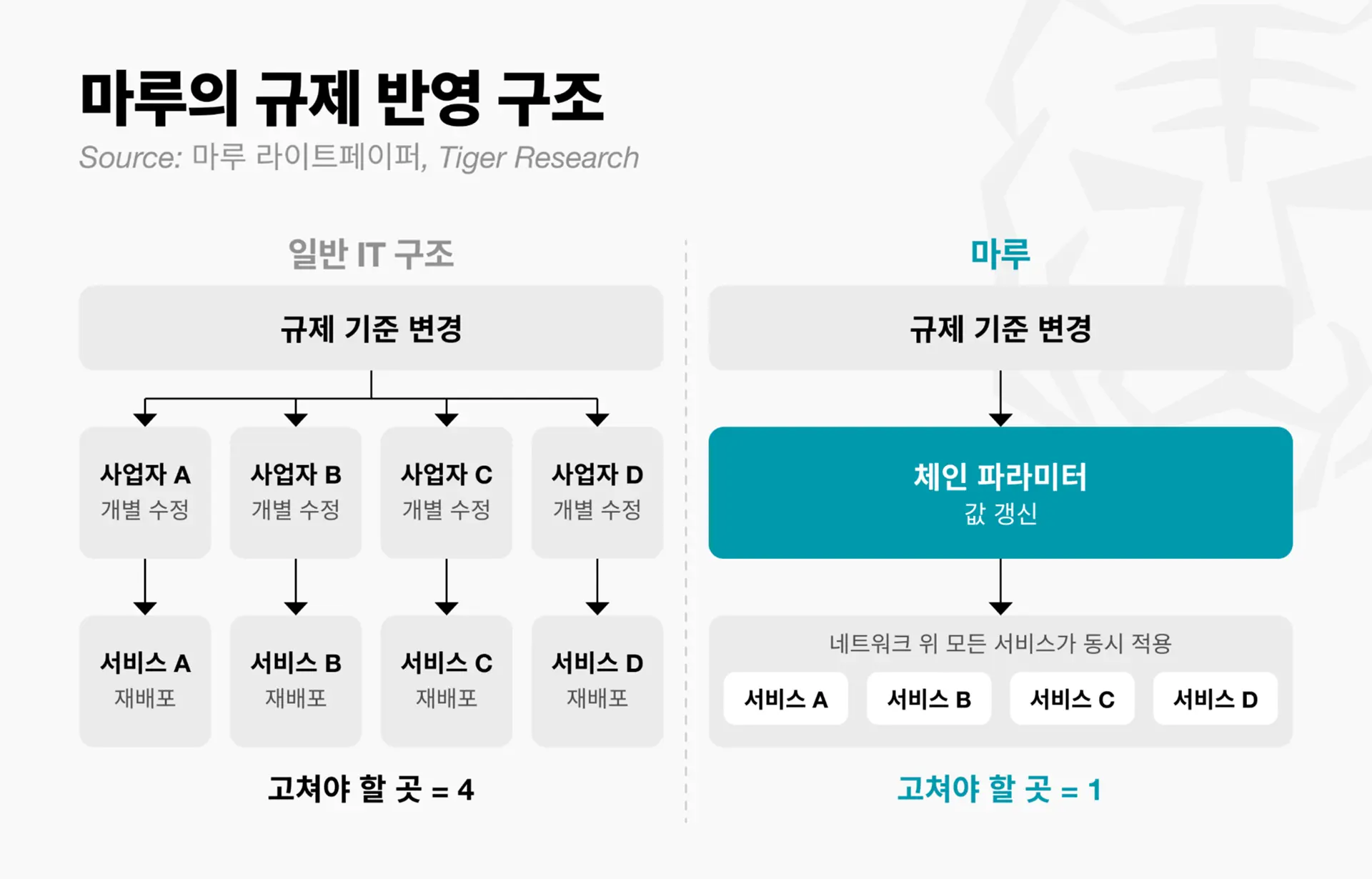
Tiger Research: Maroo network to embed Korean financial rules into blockchain
Why it matters: The project offers infrastructure for Korea's institutional market amid the legalization of won stablecoins and tokenized securities.

ONDO rises 13.5% on SEC temporary exemption for tokenized stocks
Why it matters: A regulatory path for tokenized stocks in the US strengthens Ondo Finance and the broader RWA tokenization sector.
South Korean firms conduct $620 million in stablecoin payments abroad
Why it matters: Without domestic regulation, the infrastructure and expertise of Korean companies are being anchored abroad, weakening the country's position in stablecoin settlements.

Saylor calls SEC exemption for tokenized STRC and MSTR trading a 'breakthrough'
Why it matters: It validates RWA tokenization and the institutional utility of public blockchains; the pilot outcomes will determine the migration of capital markets to blockchain.

Japan LDP lawmaker Hira: onchain finance course confirmed after US visit
Why it matters: Japan could accelerate regulation of stablecoins and tokenized deposits, supporting onchain finance in Asia.

SEC creates regulated path for tokenized stocks in the US
Why it matters: The framework sets the rules for tokenizing stocks in the US and will determine which venues and issuers can enter the market.

Crypto.com registers Nadex futures exchange for US security futures trading
Why it matters: The registration route without an SEC vote opens the way to single-stock futures trading in the US and could speed up launches of similar products by competitors.

Colombia Fintech urges authorities to speed up crypto asset regulation
Why it matters: The formation of crypto rules in Colombia could open the market to local fintech companies and legalize services for millions of crypto users.

US offers $15 million for information on IRGC crypto networks
Why it matters: Sanctions against the crypto exchange and IRGC wallets will increase compliance pressure on platforms that handle sanctioned addresses.

US to send notices to 300,000 former BTC-e client addresses
Why it matters: Former BTC-e clients will be able to assert claims to the forfeited assets, but a positive balance alone does not guarantee a return of funds.
CFTC eases rules for passive crypto software developers after CLARITY Act fails
Why it matters: US regulators are bypassing Congress through exemptions, reducing risk for crypto developers but without legislative certainty.
CFTC issues innovation guidance for US futures markets
Why it matters: The CFTC's softer approach could speed the admission of on-chain products to regulated US markets and attract institutional players.

Crypto stocks hit harder than Bitcoin by CLARITY Act failure
Why it matters: The bill's failure hits crypto companies' revenue but not Bitcoin, whose next moves depend on decisions by the Fed and the Bank of Japan.
US moves to codify a bitcoin reserve that exists only on paper
Why it matters: The lack of transparency on the US reserve undermines market confidence in government support for bitcoin and delays institutional purchases.
CFTC lets crypto apps offer access to regulated derivatives
Why it matters: It lowers the regulatory barrier for crypto apps and widens retail access to regulated derivatives in the US.