Crypto regulation news

Crypto stocks hit harder than Bitcoin by CLARITY Act failure
Why it matters: The bill's failure hits crypto companies' revenue but not Bitcoin, whose next moves depend on decisions by the Fed and the Bank of Japan.
US moves to codify a bitcoin reserve that exists only on paper
Why it matters: The lack of transparency on the US reserve undermines market confidence in government support for bitcoin and delays institutional purchases.
CFTC lets crypto apps offer access to regulated derivatives
Why it matters: It lowers the regulatory barrier for crypto apps and widens retail access to regulated derivatives in the US.
Bolivia commits to IMF to regulate cryptocurrencies
Why it matters: Regulation in Bolivia could legalize crypto circulation in a country that previously banned banks from dealing with digital assets.

SEC eases crypto regulation after CLARITY Act failure
Why it matters: The SEC's easing could partially offset the lack of legislation and support the crypto market.

Galaxy: SEC Tokenized Stock Exemption Contains Strict Safeguards
Why it matters: The clarification reduces the risk that the SEC exemption turns into unregulated trading of synthetic tokens and sets a framework for future tokenized-equity rules.

Digital Chamber: Industry Lost Criminal Shield for Developers in Final CLARITY Act Text
Why it matters: Without criminal protection for developers, uncertainty over liability for code persists, slowing DeFi and on-chain infrastructure development in the U.S.
SEC, CFTC, and FDIC accelerate crypto adoption in the US amid CLARITY Act delay
Why it matters: US regulators are bypassing Congress, accelerating institutional crypto and tokenization adoption without the CLARITY Act.
SEC opens on-chain stock trading, but xStocks and bStocks may not qualify
Why it matters: A regulated framework for US stock tokenization is taking shape, which could displace synthetic products and set a standard for tokenholder rights.
Kevin O'Leary: Congress Will Return to CLARITY Early Next Year
Why it matters: A possible return to CLARITY would shape U.S. market rules and remove some regulatory uncertainty.

Crypto.com founder: crypto battles will continue, but the war is already won
Why it matters: The signal is that big capital and banks are already building blockchain infrastructure regardless of the CLARITY Act's fate, reducing regulatory uncertainty for the market.
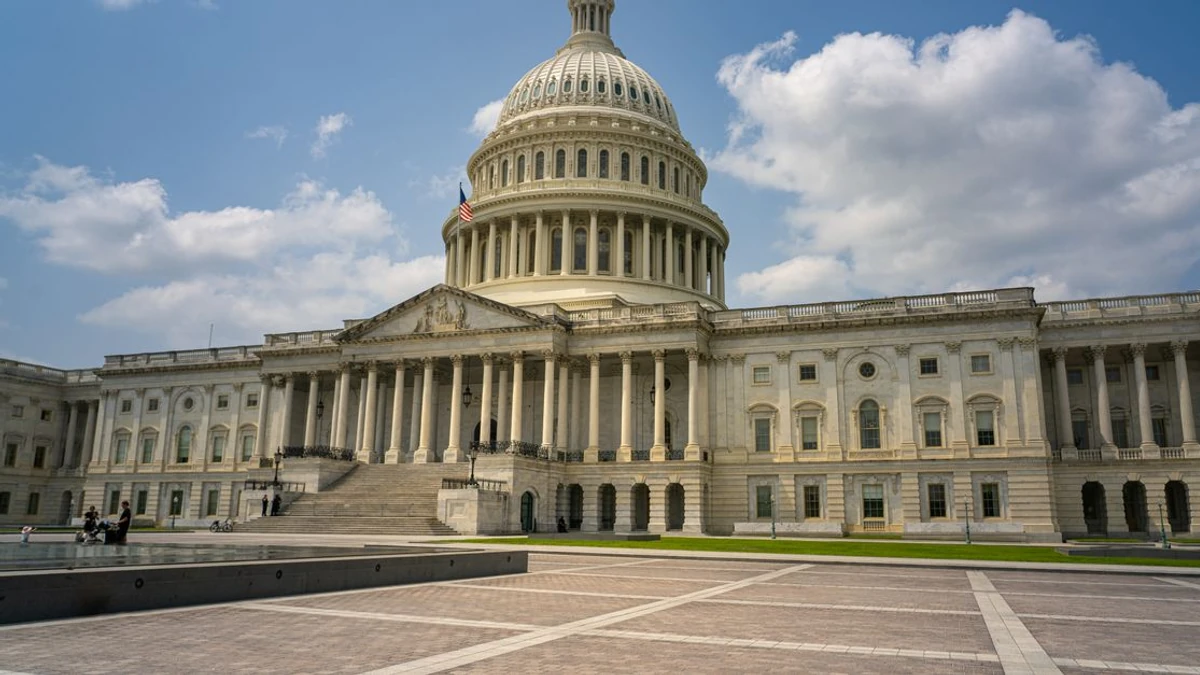
SEC grants Solana innovative regulatory exemption
Why it matters: Regulatory clarity for Solana reduces risks and could accelerate the flow of capital and developers into the ecosystem.

Securitize shares jump 14% after SEC approves tokenized stock trading
Why it matters: The SEC exemption legalizes round-the-clock trading of tokenized stocks and accelerates the inflow of RWAs onto the blockchain.

CFTC and SEC prepare rules after CLARITY Act passes House
Why it matters: The first comprehensive federal crypto regulatory regime in the U.S. is taking shape, which will reduce uncertainty for exchanges and issuers.
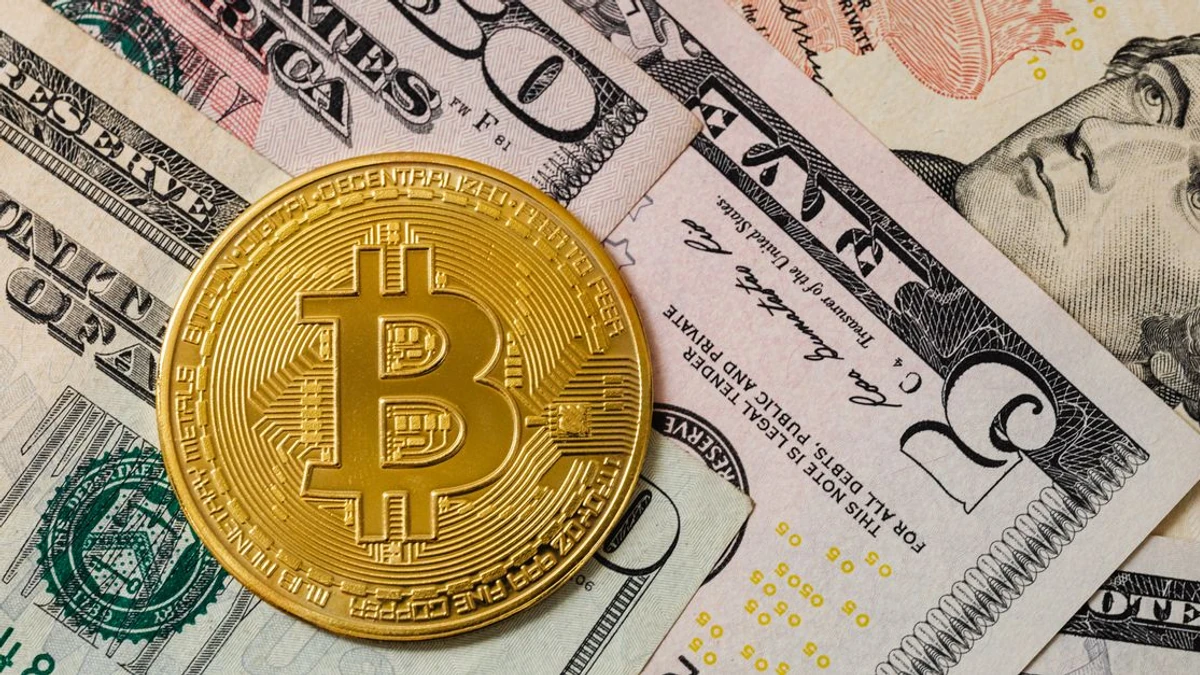
Digital Chamber backs SEC innovation exemption for blockchain
Why it matters: Industry lobbying support reinforces the SEC's course toward lighter regulation and asset tokenization.
Reform UK plans £100 million-a-year crypto investor tax cut
Why it matters: British crypto investors could see a significant tax cut if Reform UK comes to power, but donations from crypto billionaires raise conflict-of-interest questions.

U.S. sanctions Iran's largest crypto exchanges, including Nobitex
Why it matters: Foreign exchanges risk secondary sanctions, while users of the platforms lose access to funds in the dollar financial system.

US sanctions crypto exchange Bitbank over Iran ties
Why it matters: Sanctions on the exchange increase pressure on Iran's crypto sector and lower the odds of a nuclear deal, raising geopolitical risks for the market.
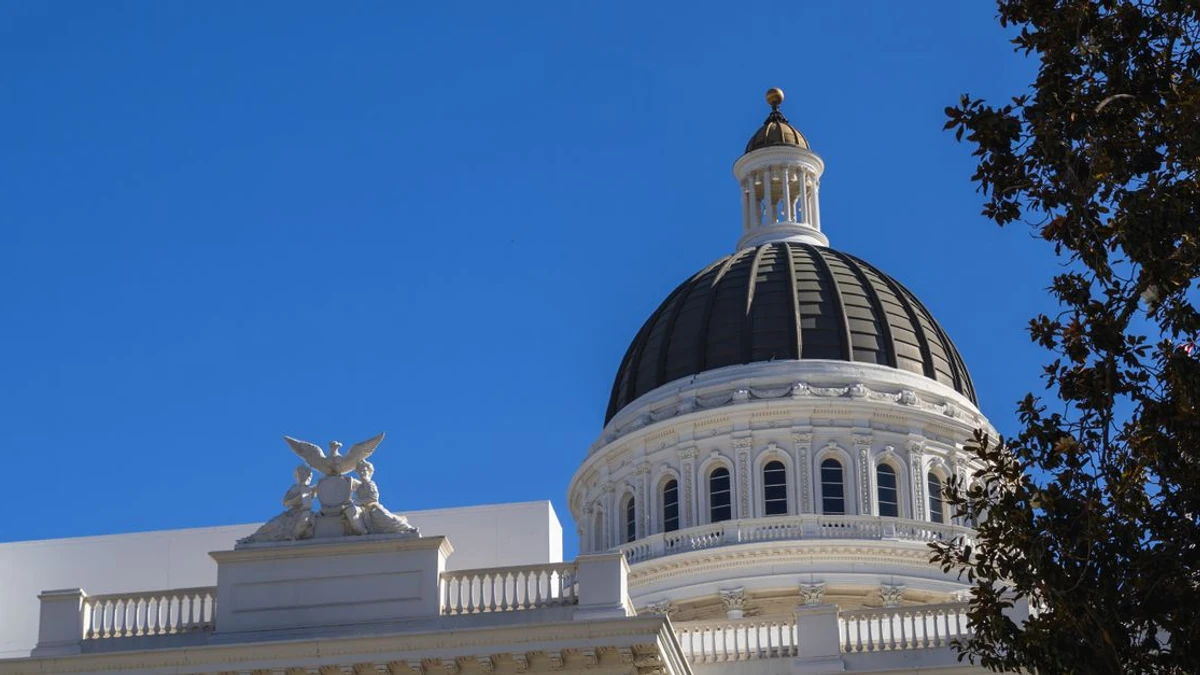
SEC confirms progress on tokenizing US stocks
Why it matters: Tokenizing stocks will broaden market access and could accelerate institutional capital inflows into blockchain infrastructure.

SEC Commissioner Peirce backs unimpeded trading on Uniswap
Why it matters: The SEC's signal of a softer approach to DeFi could open the way for Uniswap to operate legally in the U.S. and set a standard for other DEXs.