Bitcoin price and crypto market news

Bitfinex: $197M Ethereum ETF inflow is arbitrage, not new demand
Why it matters: ETH ETF inflows can be misleading: a significant portion is arbitrage, not real demand for the asset.

ETH exchange supply falls to 6.06M, an 11-year low, as BitMine nears 5% of issuance
Why it matters: The shrinking liquid supply makes ETH more sensitive to demand, but the outcome depends on the CLARITY Act vote and the Fed meeting.
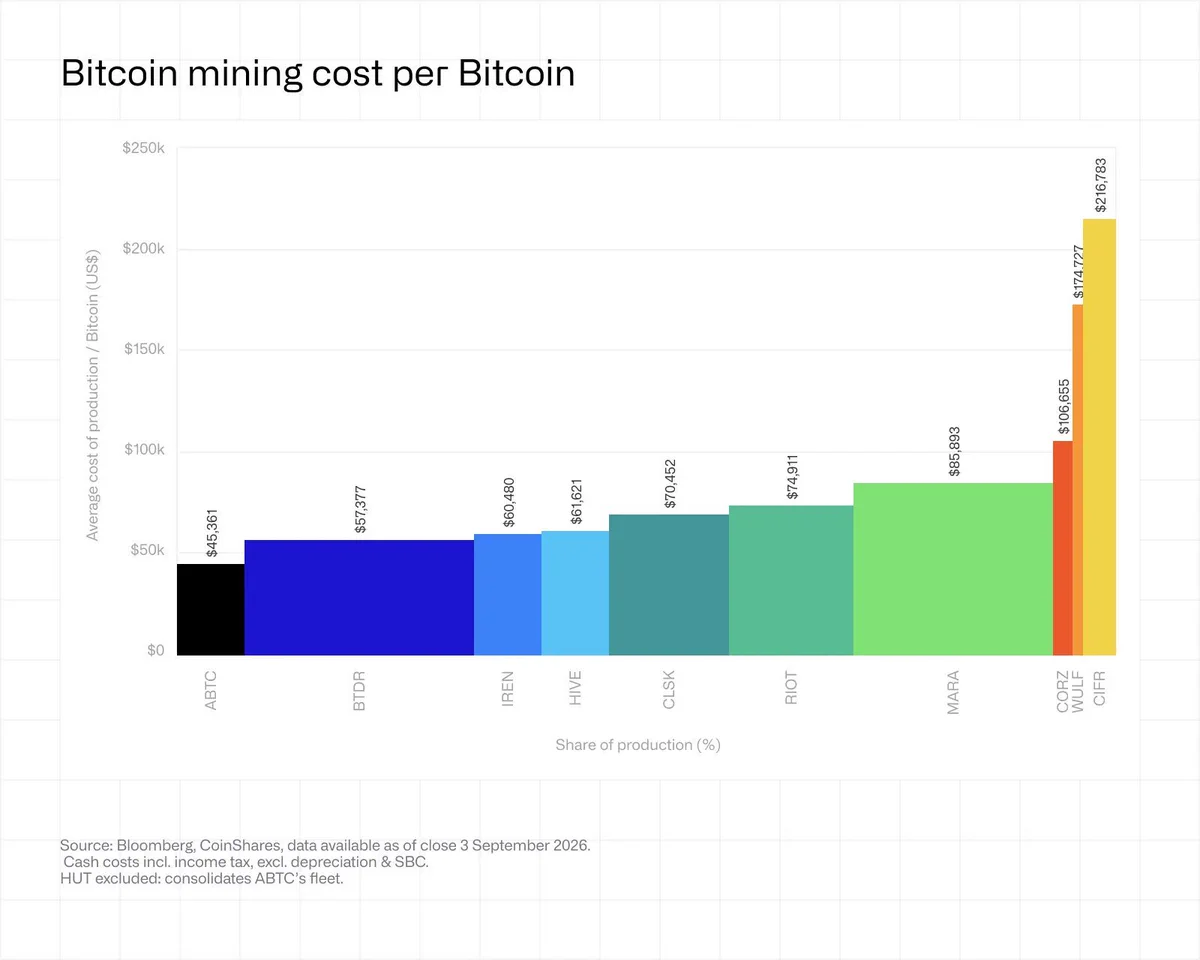
CoinShares: average cash cost of BTC mining rises to $75,500
Why it matters: Miners are operating below break-even, leading to capacity cuts and pressure on BTC supply.

XRP spikes to $1.41 then falls back into triangle as XRPL upgrade stalls one vote short
Why it matters: The XRPL upgrade delay and XRP's failed breakout weaken short-term momentum, while the outcome of the CLARITY Act vote will set the market's direction.

Solana holds near $100 as ETFs draw $11 million and network activity rises
Why it matters: Steady ETF inflows and rising network revenue support SOL demand, but a break toward $150 requires an exit from the triangle above $110.60.
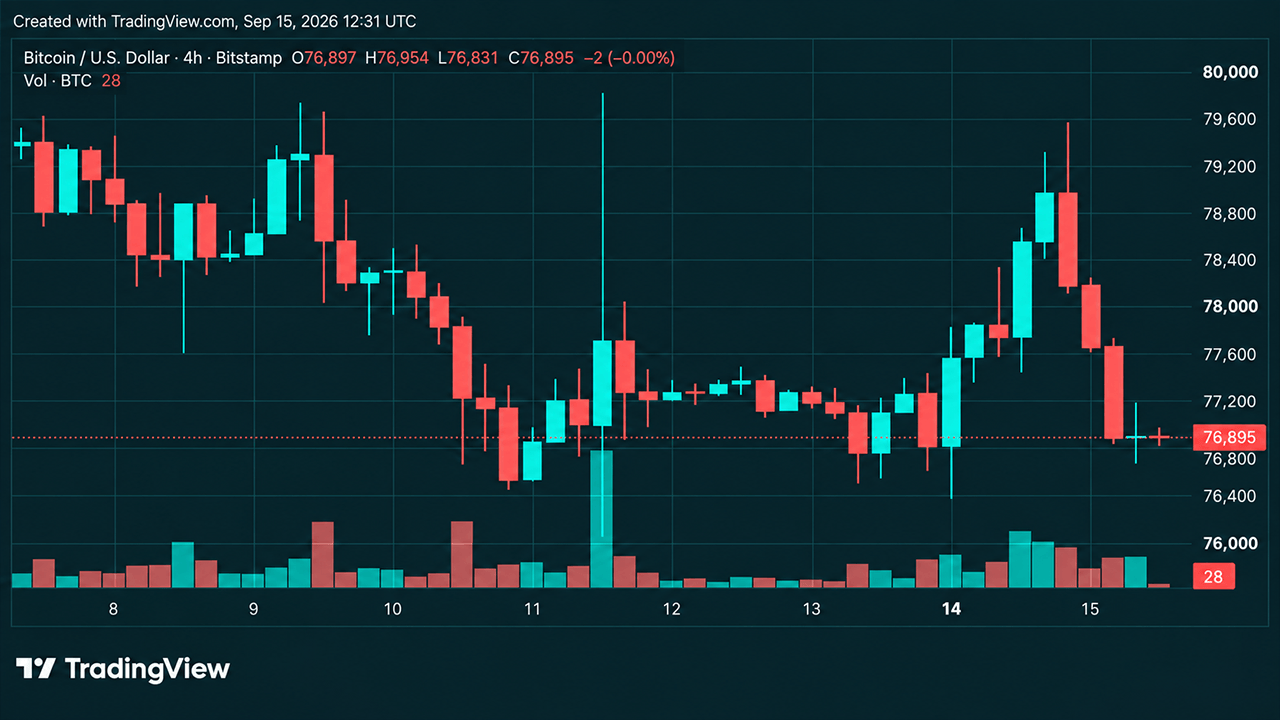
Bitcoin at $76,900 after pullback from $79,000; $76,000-$76,700 support in focus
Why it matters: Holding $76,000 keeps alive the chance of a bounce to $78,000-$79,600, while a breakdown opens the way to $74,000-$75,000.

Ethereum falls below $2,500 as MACD turns down before Fed and CLARITY Act vote
Why it matters: Weak momentum and nearby liquidation zones leave ETH vulnerable to sharp moves before the Fed decision and the CLARITY Act vote.
XRP liquidity index on Binance hits 6-month high
Why it matters: Rising liquidity allows large orders to move prices less, but does not guarantee directional movement in XRP.

PONS Rises 13% in 24 Hours on $105M Volume
Why it matters: Holding above $0.64 will determine whether the rally continues toward $0.97–1.00 or a return to the lower boundary of the pattern follows.

Average SHIB exchange withdrawals drop 78% from peak
Why it matters: The decline in withdrawals removes supply-side support for the price, raising the risk of a test of $0.0000050 and below.
Ethiopia cuts power supplies to Bitcoin miners by 75% due to drought
Why it matters: The cut in power to miners in Ethiopia reduces hashrate and weighs on the economics of local mining, increasing risks for energy-intensive operations.

XRP options surge 350% ahead of CLARITY Act vote
Why it matters: The CLARITY Act vote will determine XRP's status as a commodity and could set the direction for the entire altcoin market.

Whales buy 240 million DOGE, but network activity declines
Why it matters: Whale accumulation may support the price, but falling network activity signals weak demand and risk of a pullback.

Bitcoin Falls to $76,931, Ethereum to $2,480 Ahead of Fed Meeting
Why it matters: The outcome of the Fed meeting will determine the short-term trajectory of BTC and ETH: a rate hike could accelerate outflows from risk assets.

UC Investments Puts $2.5B Into New ETF as ProShares Launches GENIUS Act Fund
Why it matters: Growing initial ETF volumes and funds built for stablecoin reserves reinforce institutional demand for crypto infrastructure.
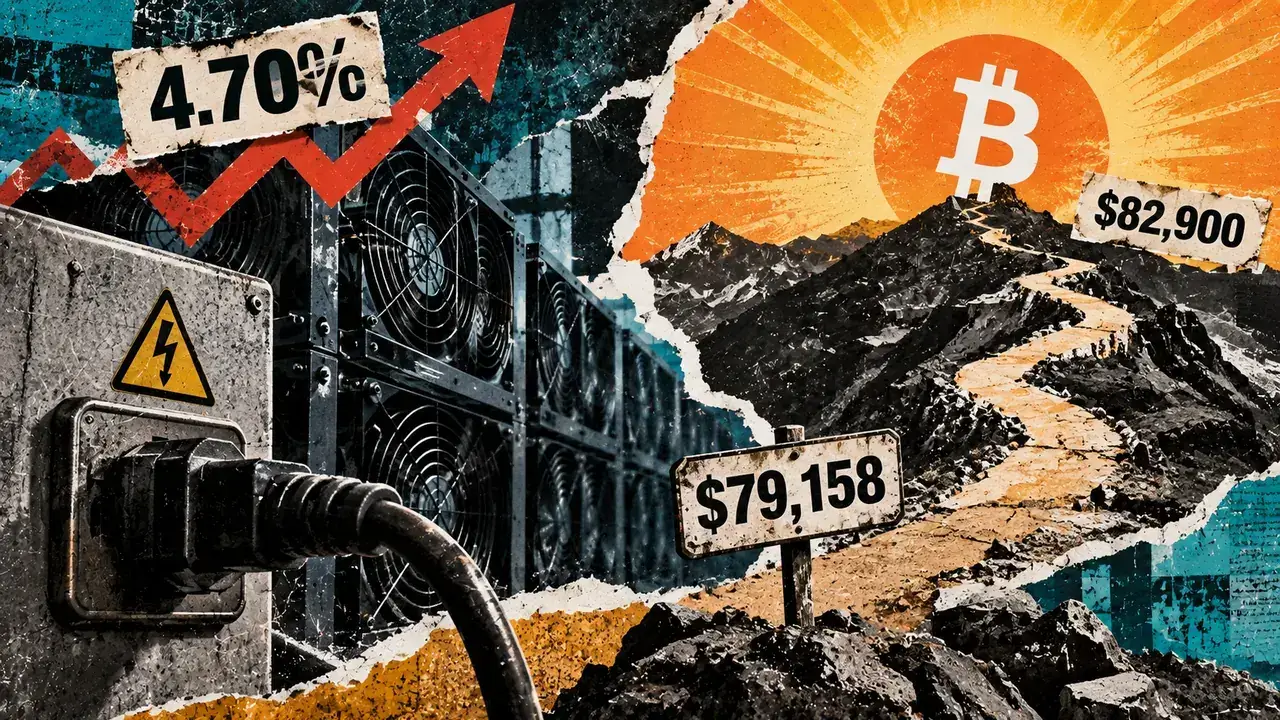
Bitcoin needs $82,900 to offset 4.7% mining difficulty increase
Why it matters: Rising difficulty squeezes miner margins: at $48/MWh, machines costing more than about 34.6 J/TH will not even cover electricity, which could intensify BTC selling pressure.

$146 million in crypto futures longs liquidated in 24 hours
Why it matters: The cascade of long liquidations adds pressure to BTC and ETH prices and raises volatility amid expectations around the Fed and the CLARITY Act.

Mining pool OCEAN receives SOC 1 and SOC 2 Type 2 audit attestations
Why it matters: Independent audits boost institutional miners' confidence in the transparency of the pool's payouts.

Saifedean Ammous: Bitcoin mining and its energy consumption may have peaked
Why it matters: A contraction in mining would reduce hashrate and the supply of new BTC, which could support the price in the long term.

Venice Token falls 2.3% to $22.11 after record burn
Why it matters: The correction looks like a pause after a vertical rally: losing $21.73 on weak volume could accelerate the decline toward $20.22.