Crypto hacks and security
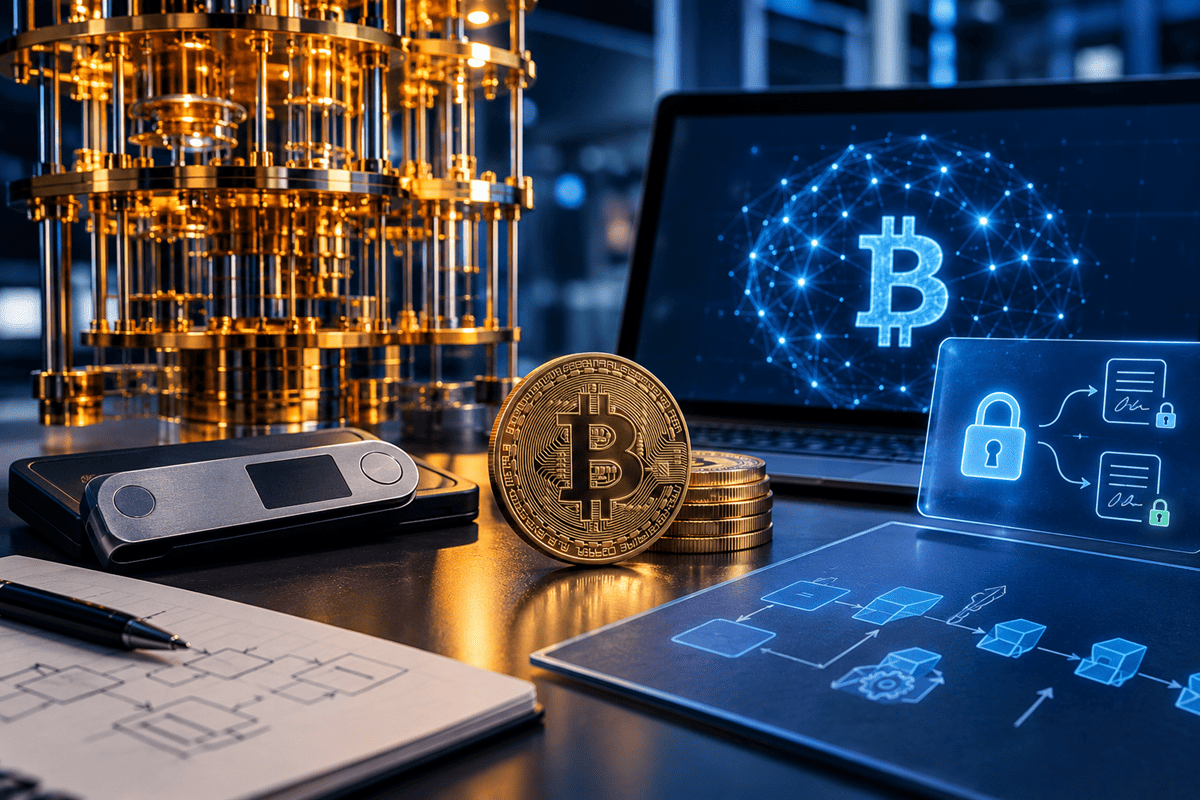
Ledger CTO: Bitcoin wallet migration harder than quantum threat
Why it matters: The discussion of post-quantum migration is important for the long-term security of Bitcoin and its wallets.

Smishing campaign posing as crypto wallet update hits 260,000 people
Why it matters: Mass phishing campaigns disguised as wallet updates threaten users' funds and require verifying the source of any links.

Blockchain ID data leak exposes 200,000 records
Why it matters: Identity data leaks are irreversible and create long-term risks for crypto users, whereas stolen funds are sometimes returned.

France uncovers crypto kidnapping ring run from prison
Why it matters: The rise in crypto kidnappings in France heightens reputational and regulatory risks for the industry and holders of large crypto sums.
KU Leuven study: 36 bitcoin wallets expose user data before transaction
Why it matters: Wallet metadata leaks increase the risks of deanonymization and targeted attacks on BTC holders.

Hackers demand $3 million in Monero from Revolut over client data
Why it matters: The leak of KYC data on clients with crypto holdings raises phishing and theft risks, adding pressure on Revolut's reputation.

Solana validators sell order access for $4,000 a month
Why it matters: The scheme undermines trust in Solana: retail traders cannot opt out of front-running, which increases pressure on regulators and the network's reputation.

Anthropic uncovers dating app network with 4,700 AI profiles used for fraud
Why it matters: The scheme shows how generative AI scales micro-payment fraud, heightening risks for users of crypto and payment services.

SEC accuses New Jersey resident of $16 million Ponzi scheme
Why it matters: Another SEC case against crypto fraud increases the regulator's pressure on dishonest schemes in the industry.

Hackers breach HBO Max Reddit account to spread crypto malware
Why it matters: Hacks of major brands on social media remain a working delivery channel for crypto malware, raising risks for users' wallets.

Russian intelligence recruits Europeans via Telegram and crypto
Why it matters: The scheme shows how crypto is used to anonymously pay for violence, increasing pressure to regulate stablecoins and Telegram.

Fake Cloudflare captcha scams trader out of $600,000
Why it matters: The scheme targets memecoin traders through trusted aggregators, raising risks for retail investors.
Texas scammers threaten mother with baby, extract $23,700 via Bitcoin kiosks
Why it matters: The case illustrates the rise in fraud through crypto ATMs and pressure on vulnerable users.

Kazakhstan: 119 crypto scams using Musk and Durov deepfakes in six weeks
Why it matters: The rise of deepfake crypto schemes increases pressure on regulators and exchanges over verification and user protection.
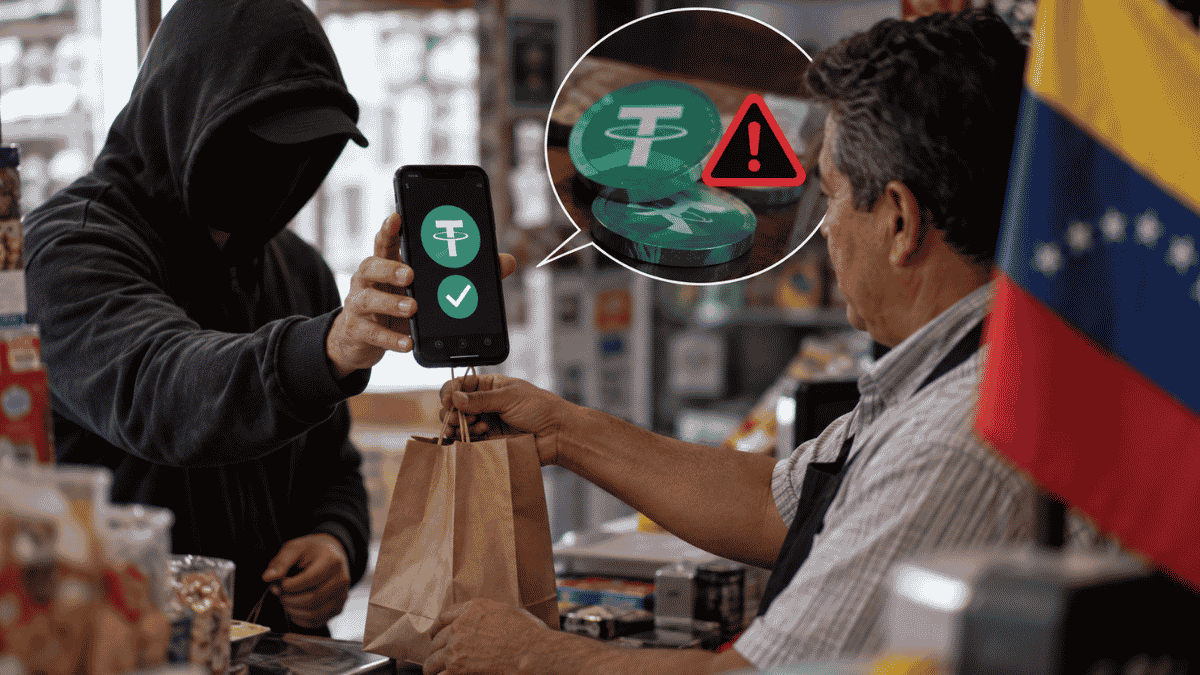
In Venezuela, scammers trick stores with fake "USDT" tokens
Why it matters: The scheme undermines trust in crypto payments in Venezuela, where USDT is widely used as a dollar substitute.
Flamingo Finance attacked via Morpho flash loan, hacker made $345,900
Why it matters: Another exploit via manipulation of a vault share price is a reminder of the risks in DeFi protocols that use flash loans.
Trezor data leak: 67,000 clients, $320M losses tracked on-chain
Why it matters: KYC data leaks create a long-term risk for holders: an address and passport cannot be changed like a key, raising the threat of physical attacks.

Mexico seizes illegal 300-GPU mining farm in Puebla
Why it matters: The case increases pressure on mining in regions with cheap energy and raises the risks of regulatory claims against the industry.
SlowMist: KREMLIN malware updates C2 via Ethereum smart contracts
Why it matters: It shows a new vector for abusing blockchain to covertly control malware, complicating efforts to block attack infrastructure.

Core Lightning warns experimental features may put funds at risk
Why it matters: Vulnerabilities in the Lightning Network implementation could jeopardize node operators' funds, weakening trust in BTC infrastructure.