Crypto hacks and security

Chainalysis: onchain malware up 420%, with North Korea and Iran involved
Why it matters: The growth of onchain malware increases risks for users and exchanges, as blockchains become part of cybercriminals' infrastructure.

Scammers Create Fake Arc Tokens Ahead of Circle's Network Launch
Why it matters: Investors risk losing funds by buying fake tokens; no official Arc token exists yet.
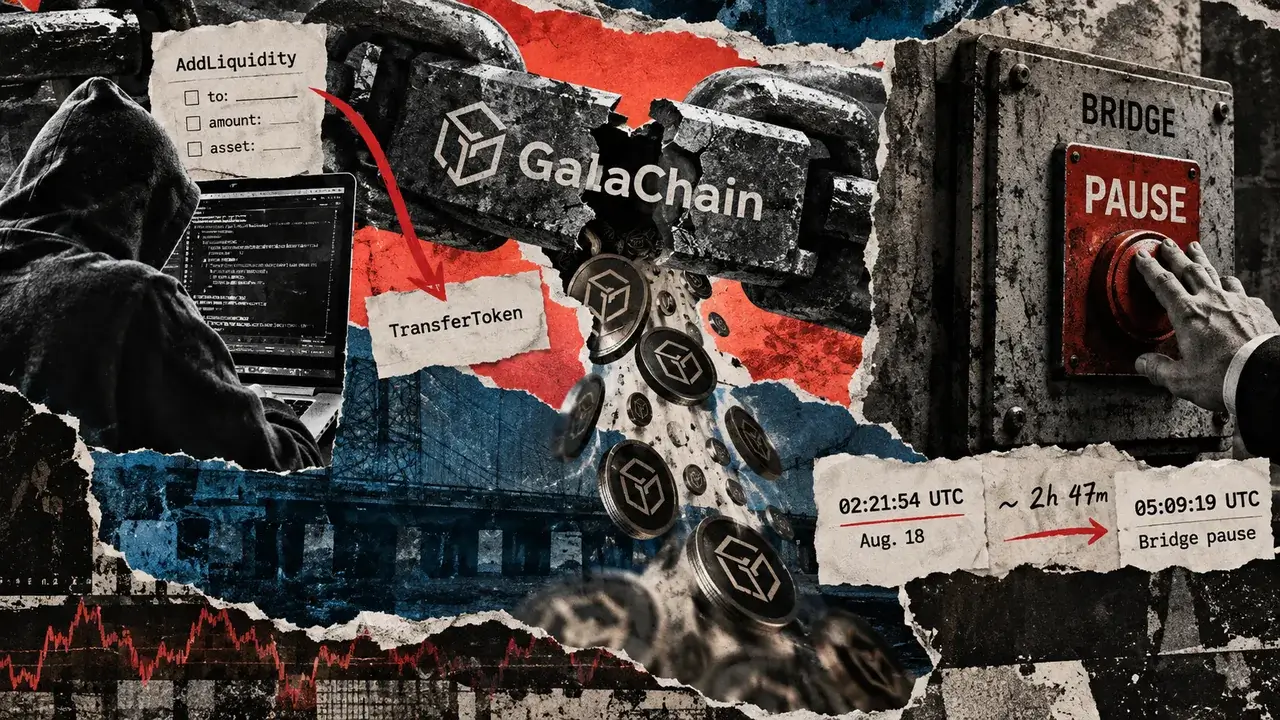
Hacker used signatures from failed transactions to drain $3 million from GalaChain
Why it matters: The incident shows audits can miss the combination of signature verification and replay protection, and manual response cannot keep up with automated attacks.

Poland lost $230M in crypto in attempt to buy Venezuelan oil
Why it matters: The incident highlights the risks of over-the-counter crypto deals and weak controls in large state payments.
BBB Mid-South: crypto ATMs facilitate fraud
Why it matters: Growing fraud through crypto ATMs increases pressure on regulators and could lead to new restrictions for kiosk operators.
Ex-CCB Asia Manager Pleads Guilty to $470K USDT Bribe Over $1.6B in Fake Documents
Why it matters: The case shows USDT being used in corruption schemes, increasing pressure on banks and regulators over AML.
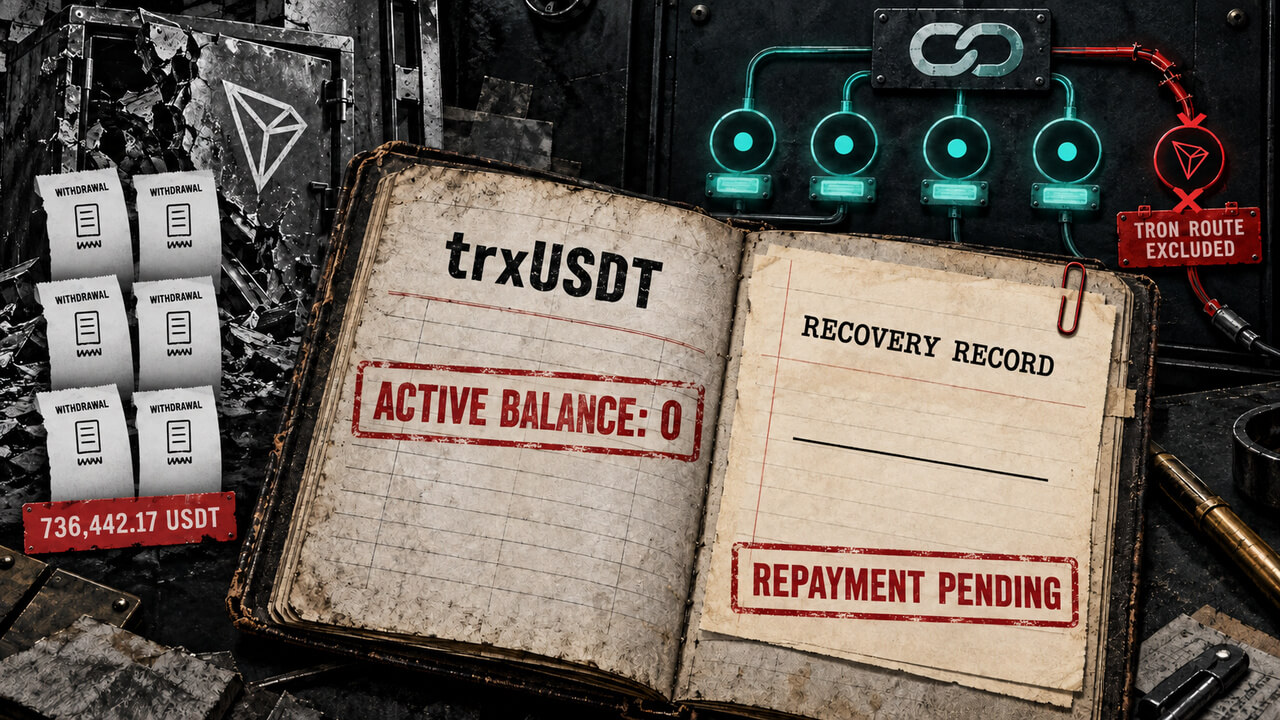
Chainflip to Zero Out TRON USDT Provider Balances After $736K Exploit
Why it matters: Liquidity providers on the TRON/USDT route remain without payouts, and the timing and source of compensation are unspecified.

Blockstream refuses to pay bug bounty, vows to recover 598.5 BTC via court
Why it matters: The case shows that even a federated bitcoin sidechain must rely on the law, not code, to recover stolen funds.

BTCPay Server: default passwords, not code, caused the fund theft
Why it matters: It shows that weak passwords and shared credentials are more dangerous to Lightning node operators than code bugs.

Swiss Bitcoin Pay shuts down servers after customer data breach
Why it matters: The leak of IBANs and transaction history opens the door to targeted phishing attacks on the service's customers.
Operator of $35.6M Ponzi scheme sentenced to 11 years in prison
Why it matters: The case highlights the risks of fraud disguised as investment and the poor recovery of funds for victims.
Seven abduct man in Telangana over cryptocurrency dispute
Why it matters: Another case of crypto-related crime in India amid a growing market and debates over regulation.

Ethereum Classic: fake Core-Geth update spread via social media and email
Why it matters: The incident showed that social media and email campaigns can push node operators to install malicious clients and split the network.

Silk Road hacker James Zhong hid 51,680 BTC for ten years but was caught because of a popcorn tin
Why it matters: The case confirms that blockchain transactions are traceable and that even old stolen coins can return to the market through confiscation.

OpenAI declines Justin Sun's $1M prize for Navier-Stokes proof
Why it matters: The dispute over rights to unpublished data and OpenAI's refusal of the prizes raises questions about the ethics of AI research and authorship of results.

Ledger CTO: bitcoin's migration to post-quantum signatures could take years
Why it matters: The shift to post-quantum signatures will require years of coordination among developers, wallets and nodes, as well as consensus on the fate of "dormant" coins.
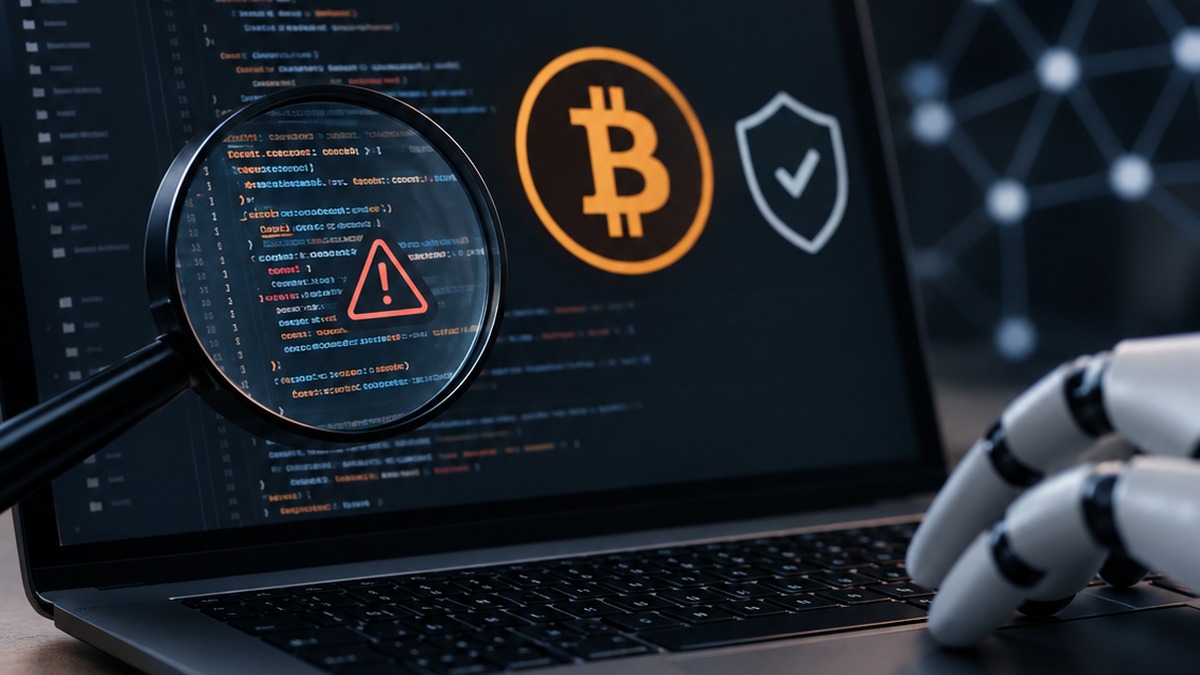
Bitcoin Core under intensified AI security scanning as most reports are false
Why it matters: The rise in AI scanning could speed up the discovery of real vulnerabilities but requires filtering out false reports.

ESS Frontier sues Ostium seeking arbitration over $15M loan
Why it matters: Legal pressure on Ostium could affect the protocol on Arbitrum and its users, and set a precedent for disputes over DeFi lending.
Vitalik Buterin: cybersecurity favors defense, and crypto holders are betting on it
Why it matters: The thesis affects how blockchain security risks are assessed and the case for long-term crypto holding.
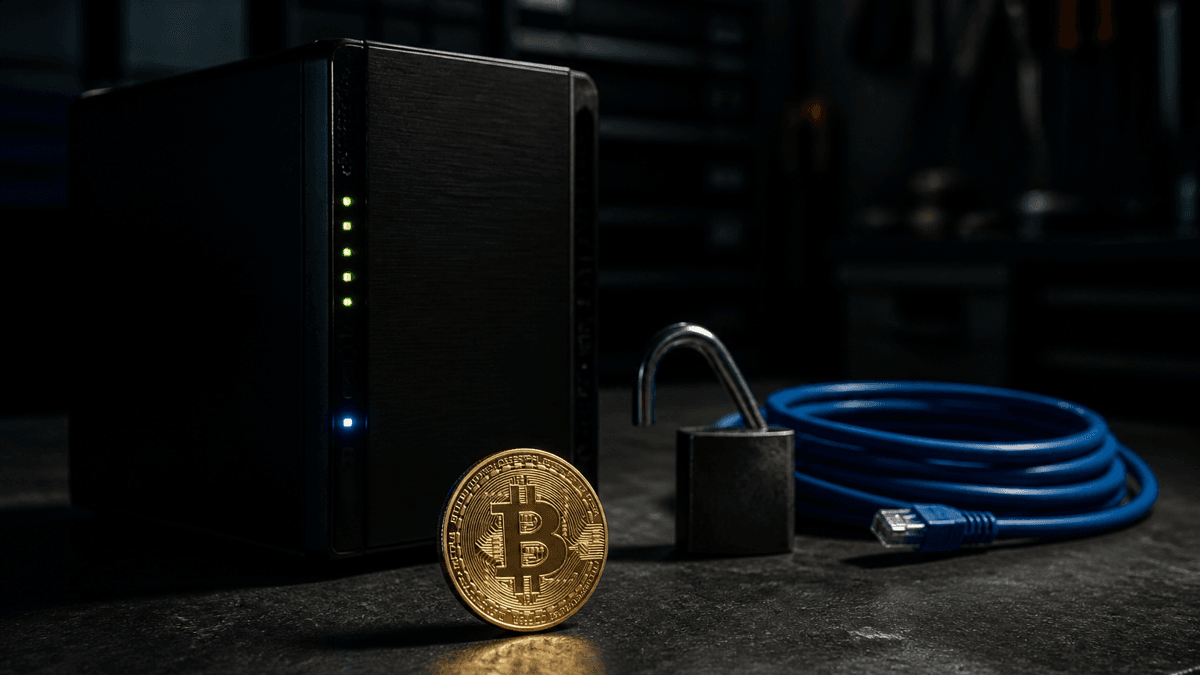
BTCPay Server 2.4.4 closes LND vulnerability, but custom proxies remain a risk
Why it matters: Owners of BTCPay Server with a custom proxy need not only to update but also to close external access to LND, otherwise the node's funds are at risk.