Crypto hacks and security
SlowMist: KREMLIN malware updates C2 via Ethereum smart contracts
Why it matters: It shows a new vector for abusing blockchain to covertly control malware, complicating efforts to block attack infrastructure.

Core Lightning warns experimental features may put funds at risk
Why it matters: Vulnerabilities in the Lightning Network implementation could jeopardize node operators' funds, weakening trust in BTC infrastructure.

Taiwan uncovers $1.9 million crypto fraud scheme with 46 victims
Why it matters: The case shows that crypto fraud through fake apps and influencers remains a mass risk for retail investors.
GoPlus warns of scam tokens on Arc after network launch
Why it matters: The growing number of scam tokens on new networks increases the risk of losses for retail investors.

Delhi resident loses ₹8.25 million in crypto scam via dating app
Why it matters: Another case of romance crypto fraud highlights the risks of social engineering for retail investors.

Revolut Confirms KYC Data Leak via Fake Government Domain
Why it matters: The incident increases pressure on digital banks to protect KYC data and fuels demand for ZK verification without storing documents.

Six Jailed in Singapore Over S$4.9M Poker Game Robbery
Why it matters: The case highlights the rise in physical attacks to force crypto transfers and the difficulty of recovering stolen digital assets.

Polish Olympic Committee head dismissed over $94 mln crypto scandal
Why it matters: The Zondacrypto case shows the scale of damage from crypto fraud and the reputational risks of ties to sports organizations.

IoTrust flags abnormal transactions in D'CENT wallet, urges users to withdraw funds
Why it matters: A possible key leak or wallet exploit threatens user funds, with details and loss amounts still unknown.

Cloudflare-themed phishing pages steal crypto from memecoin traders
Why it matters: The scheme bypasses the usual drainer defenses because the malicious code runs on the device rather than through an on-chain approval, raising the risk of losses for active traders.
Etherscan warns: tokens linked to 'Robinscan' have nothing to do with it
Why it matters: The warning reduces the risk of buying fake tokens masquerading as an official Etherscan product for Robinhood Chain.
Hacker trying to steal 1.2 billion yen in crypto was beaten by a bot that took it all in seconds
Why it matters: The case confirms that automated bots control a significant share of on-chain flows and can intercept funds faster than any participant.

BonfireSwap exploit: Bonfiretoken loses about $50K
Why it matters: The incident highlights the risks of weak access control in DeFi contracts and could increase regulatory scrutiny of smart contract security.
MEV bot Yoink intercepts 2,882 rsETH from hacker who attacked Safe wallet
Why it matters: The incident shows that MEV bots can outpace hackers and recover assets, but vulnerabilities in user permissions remain a risk for DeFi.
JAN3 pauses Indra forward swaps after DDoS attack
Why it matters: The incident extends a string of outages among Lightning providers and adds to questions about the resilience of bitcoin's service layer.

DeBot warns of wallet risk and isolates affected wallets
Why it matters: The incident highlights the risks of custodial and bot wallets; users should check and manually move any untransferred assets.

Mexican cartels turn to bitcoin mining as a revenue source
Why it matters: The growth of illegal mining increases strain on power grids and money-laundering risks, drawing regulators' attention to the industry.
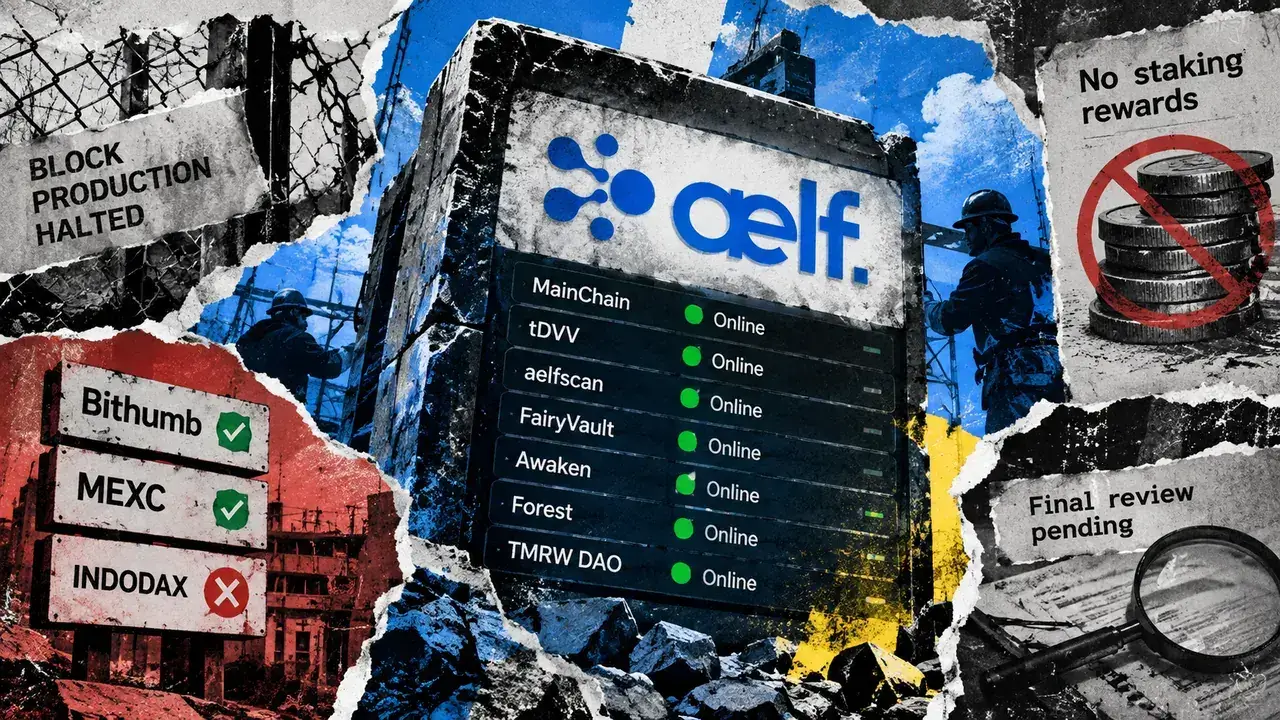
aelf resumes operations after week-long halt over malicious contracts
Why it matters: The incident highlights security risks for L1 networks and deprives stakers of a week's income; a full report on the causes has not yet been published.

Warsaw prosecutors open fraud case against Rafal Zaorski and BigShortBets
Why it matters: The case threatens fresh pressure on the BIGSB token and draws attention to the risks of influencer personal tokens.
Hackers breached Italy's state mail to target Revolut crypto clients
Why it matters: The leak of crypto service clients' data raises the risk of targeted phishing and theft from large crypto holders.