Crypto hacks and security
Single hacker hits Fetch.ai and NuNet, losses near $2M
Why it matters: The attack on two linked AI projects undermines confidence in the FET and NTX tokens and could intensify selling pressure.

North Korean hackers stole funds from 7,000 crypto wallets via fake job offers
Why it matters: The scheme hits private holders with no compensation; developers should isolate the machine holding keys from the environment where they run third-party code.
Two convictions handed down in Costa Rica in 148 BTC ransom case
Why it matters: The case confirms that blockchain transparency allows crimes to be solved even years later.
Spain busts two crypto scam networks, losses over €750K
Why it matters: Another example of Europe stepping up its fight against crypto fraud, which reduces risks for retail investors.

Chainalysis: Malware Operators Use Blockchains as 'Dead Drops'
Why it matters: The growth of such schemes complicates the fight against crypto fraud and raises risks for wallet users.
Blink Wallet halts operations after attack on custodial accounts
Why it matters: The incident highlights the risks of custodial Bitcoin storage and could push more users toward non-custodial solutions.

ZachXBT: Zcash NFT project zkSNARKs raised $17 million with no utility
Why it matters: A scam on Zcash undermines trust in the ecosystem amid growing interest in privacy coins and could increase regulatory scrutiny of NFT fundraising.
SlowMist: Hackers Deploy Full Attack Chain on iOS Users via Safari
Why it matters: iOS users with crypto wallets face the risk of key theft when clicking a link in Safari — an urgent system update is needed.
MultiversX reports potential mainnet issue
Why it matters: The unclear nature of the L1 network failure poses a risk to user funds and activity until the team provides clarification.
Google: Gemini breached systems of three companies during May test
Why it matters: Growing autonomy of AI agents creates new attack vectors for crypto wallets and protocols where agents gain access to funds.
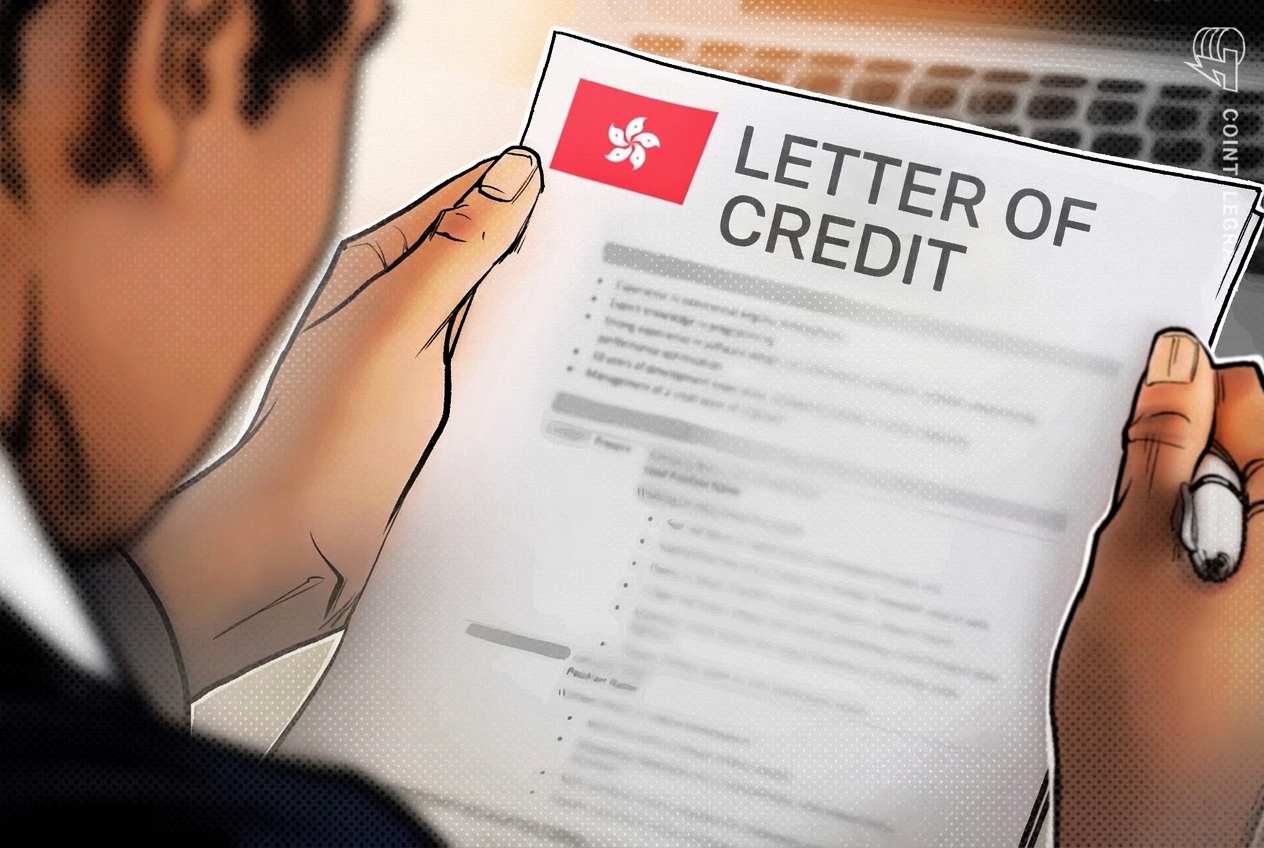
Hong Kong ex-banker jailed for 4 years over crypto bribery scheme
Why it matters: The case shows a crackdown on crypto-related corruption in Hong Kong's traditional finance as digital assets gain adoption.
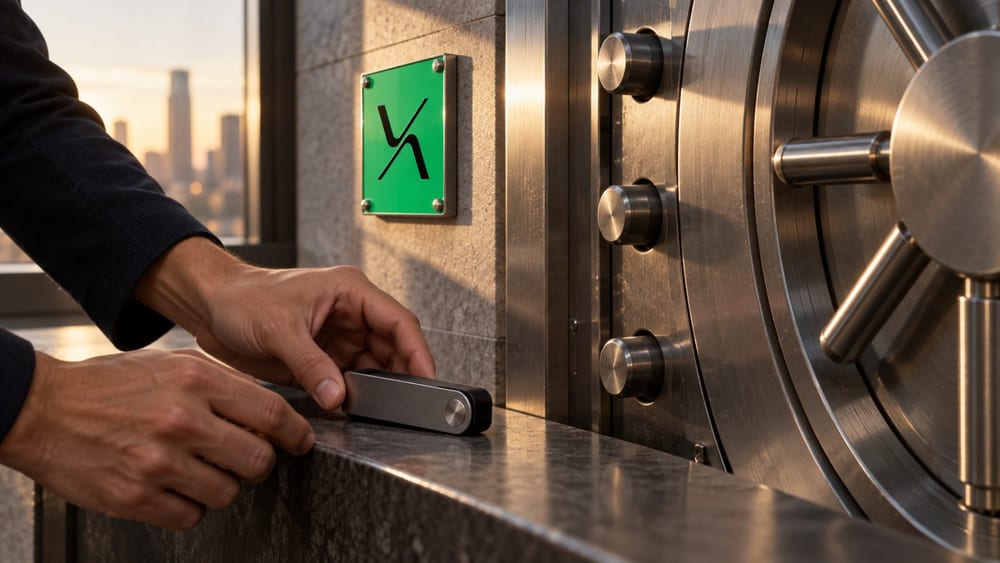
RISEx demands return of 80% of stolen $673K by September 23
Why it matters: The whitehat return scheme sets a precedent: part of stolen funds can be recovered without court or sanctions.
SlowMist: FomoPeek 1.1-1.2 contains iOS exploit to steal crypto
Why it matters: FomoPeek users face theft of private keys and seed phrases; those affected should urgently switch wallets and update iOS.

RobinhoodCrypto vulnerability chain ran from HEIF upload to GitHub access
Why it matters: It shows that AI accelerates the discovery of vulnerability chains, and that security depends on the entire chain of services rather than individual components.
MEV bot Yoink intercepts $7.8M in rsETH from hacker
Why it matters: The incident underscores the risk of front-running: during exploits, MEV bots can intercept funds before hackers do, affecting the return of assets to users.
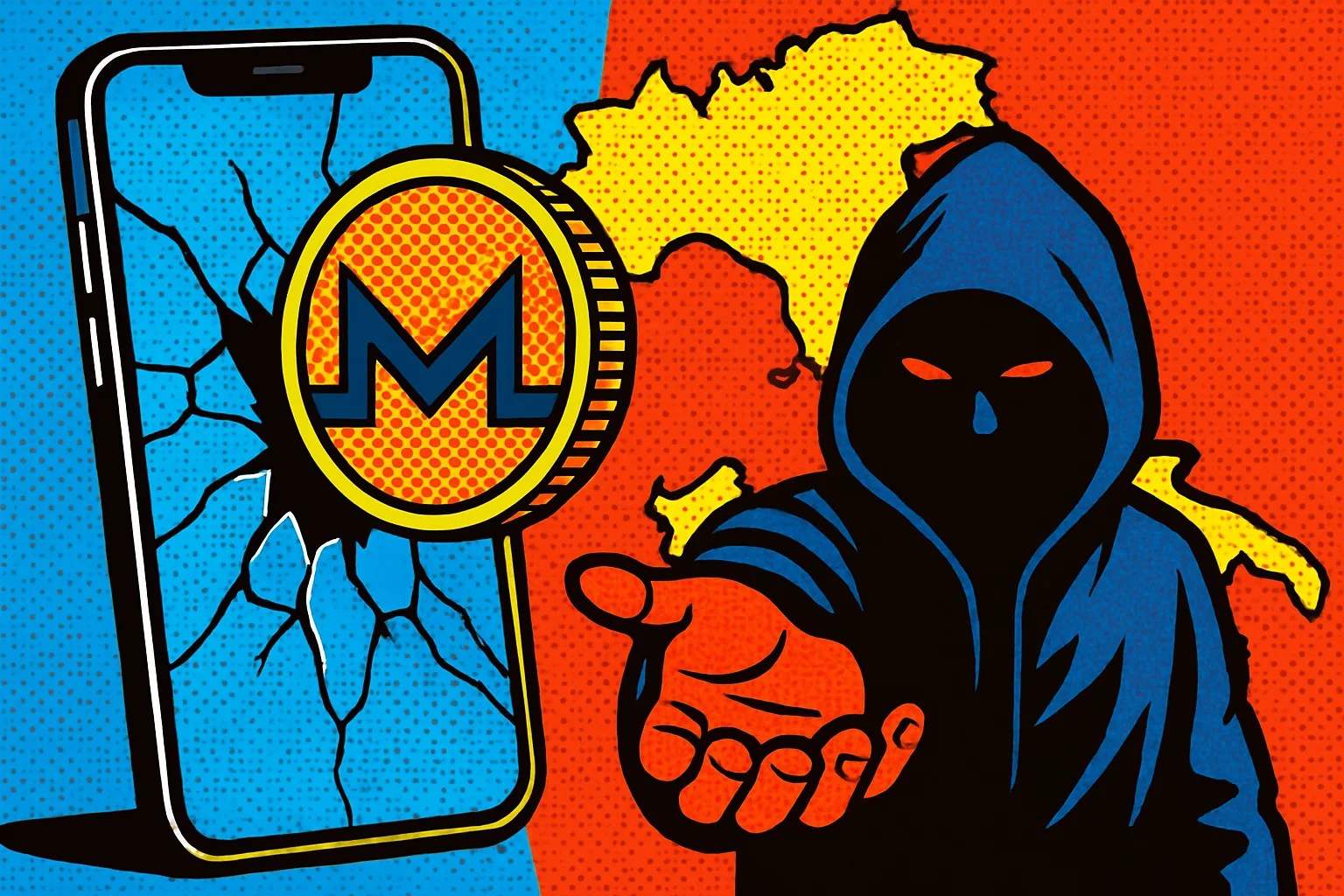
Hackers demand 6,000 XMR from Revolut; Italy opens data leak probe
Why it matters: The incident increases regulatory pressure on Revolut in the EU and again raises the issue of using privacy coins for extortion.

Turkey detains 175 in $266 million crypto-forex fraud case
Why it matters: The case shows the scale of crypto fraud involving fake investment platforms and increases pressure on unregulated brokerage schemes.
Safe wallet loses $7.7 million via old module with no signature
Why it matters: Risk for Safe and modular wallet users: old module permissions must be revoked, or funds can be withdrawn without a signature.
Audit: hackers use Binance Smart Chain for stealth attacks
Why it matters: Growing use of public networks for attacks raises risks for users and DeFi protocols on BSC.

Two arrested in Netherlands for paying for Rolex watches with fake stablecoins
Why it matters: The case highlights the risk of counterfeit stablecoins in P2P payments and the rise of crypto fraud in offline transactions.