Crypto hacks and security

Two arrested in Netherlands for paying for Rolex watches with fake stablecoins
Why it matters: The case highlights the risk of counterfeit stablecoins in P2P payments and the rise of crypto fraud in offline transactions.
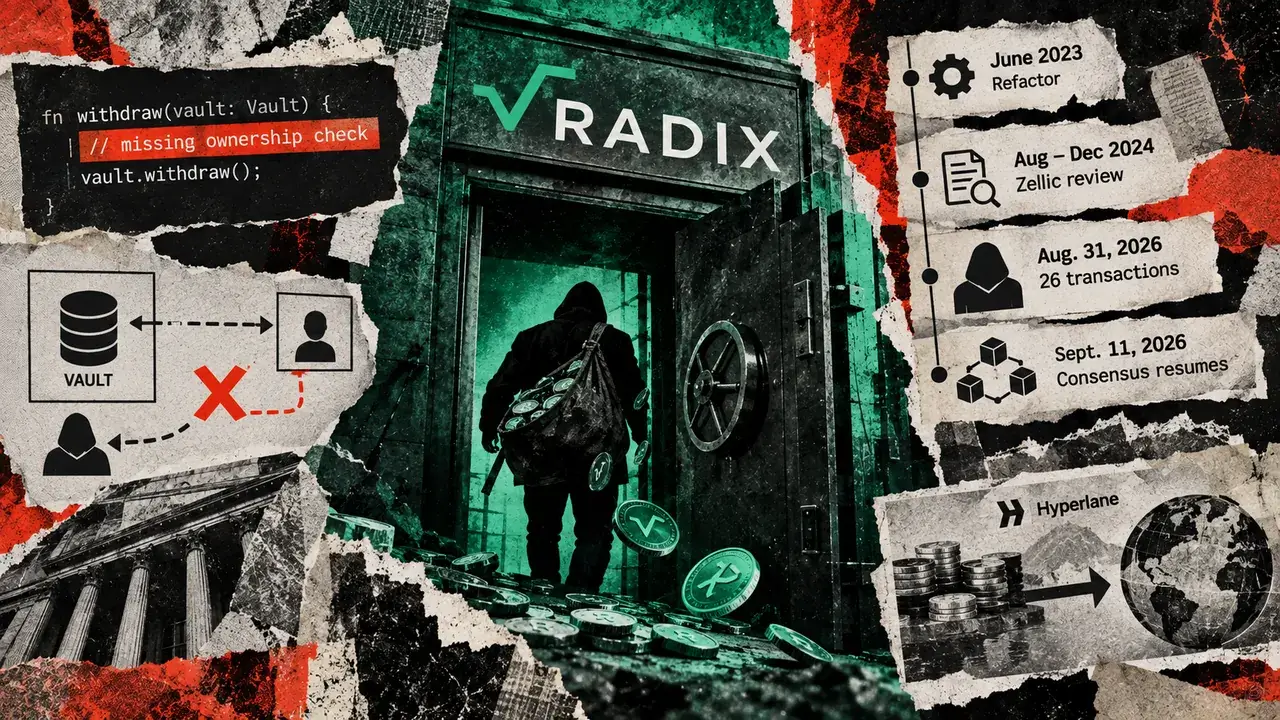
Three-year-old Radix bug led to $1.3M theft and 10-day network halt
Why it matters: The incident showed that routine code refactoring can silently break ownership boundaries and evade external audits, putting all network vaults at risk.

Fake AI guides for arbitrage bots scammed 224 victims out of 274.6 ETH
Why it matters: The scheme bypasses wallet protections because transactions appear as voluntary user actions, complicating recovery of funds.
VanEck: crypto community aware of quantum risk to bitcoin
Why it matters: The quantum threat to bitcoin affects long-term risk assessments and could accelerate development of post-quantum standards for the network.

HP: fake AI traders impersonate MetaMask, Coinbase Wallet, and Phantom extensions
Why it matters: Replacing wallet extensions allows seed phrases and passwords to be stolen from mass users, raising the risk of losses for holders of assets in popular wallets.
Crypto provider Haruko hit by cyberattack: 15 clients affected
Why it matters: The incident highlights counterparty and infrastructure provider risks for crypto funds.

Ceará prosecutors charge 13 with money laundering via crypto from pirate IPTV
Why it matters: The case shows how mining and crypto are used to launder proceeds from piracy, increasing regulatory pressure on illegal schemes.
DeBot confirms APT attack on wallets: no losses, but private keys at risk
Why it matters: The attack on DeBot's wallet infrastructure shows the risk of key compromise even without direct losses; users should move funds to new wallets.

North Korea's WaterPlum infected 30,000 devices, stole data from 7,000 crypto wallets
Why it matters: The fake-recruiting scheme remains a working attack channel against crypto company employees, raising the risk of key and fund leaks.
UAE arrests Swedish Interpol fugitive using crypto analytics
Why it matters: The case shows the growing use of on-chain analytics in international investigations and the UAE's tightening control over crypto money laundering.

Dutch woman arrested over murder-for-hire paid in Bitcoin
Why it matters: The case shows that Bitcoin payments on darknet platforms leave a trail for investigators, but victims of scam sites lose money without the order being carried out.

Nimiq loses $50,463 in smart contract exploit
Why it matters: The incident is a reminder of the risks of unvalidated parameters in DeFi contracts and could add pressure on Nimiq's reputation.
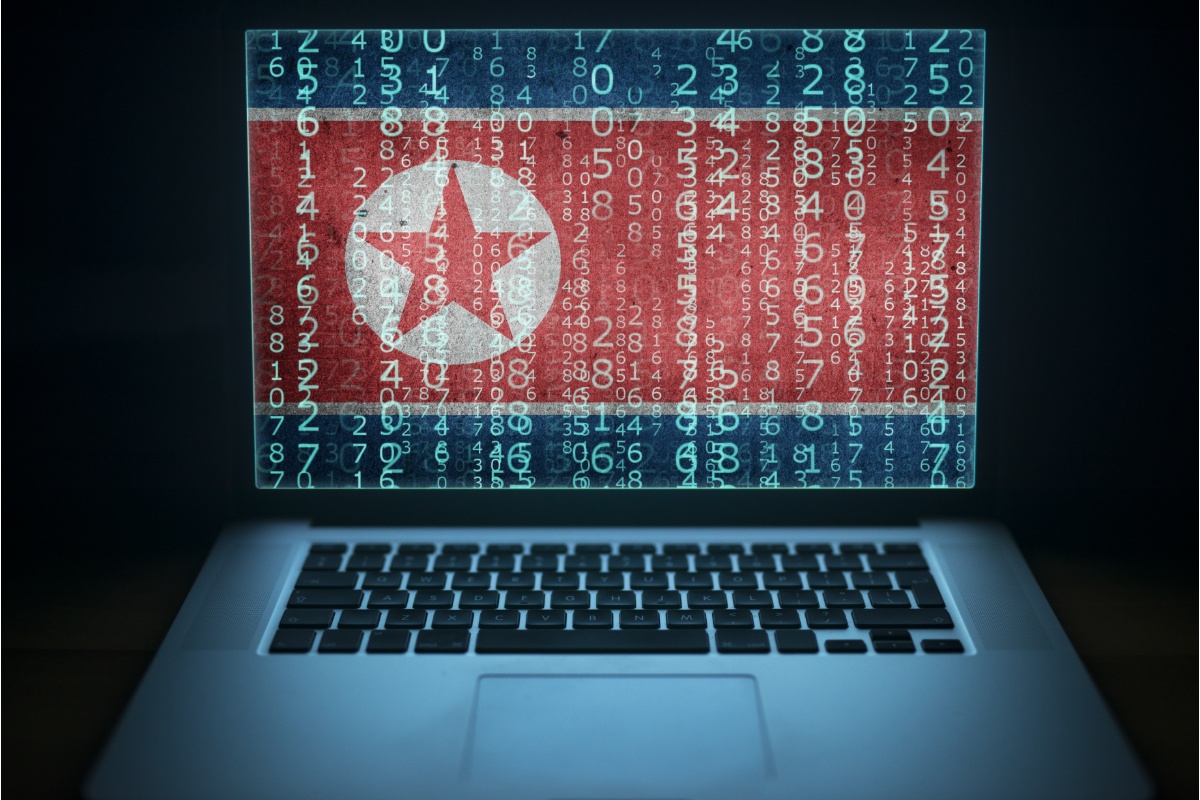
Japan police: North Korean IT worker applied to bitFlyer
Why it matters: Crypto exchanges remain a target for North Korean IT workers and hackers, raising hiring and infrastructure security risks.
D'CENT reports unauthorized app-wallet transfers; Trezor hit by 347K email leak
Why it matters: The risk to self-custodial wallets is shifting from device hacks to seed phrase and data leaks, so holders should review approvals and move assets.
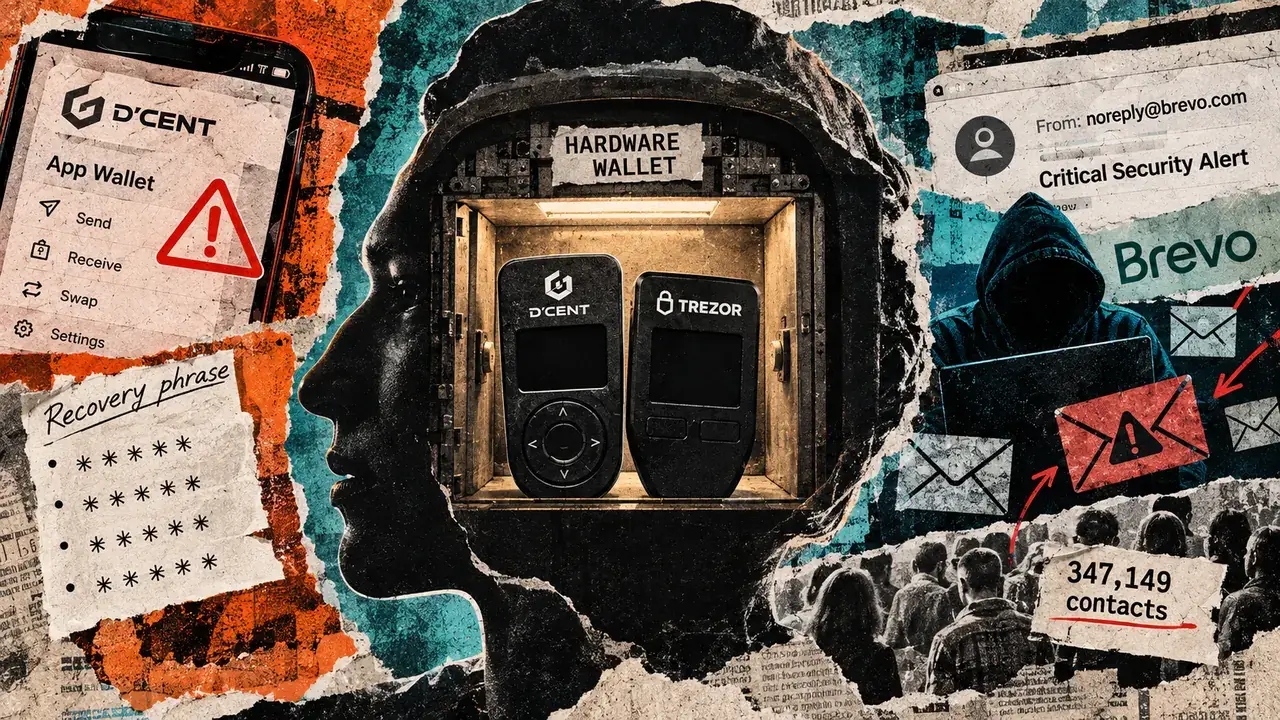
D’CENT and Trezor: wallet-related leaks create seed-phrase risk
Why it matters: Risk is shifting from device chips to vendor software and databases: a leaked seed phrase or phishing wipes out the protection of a hardware wallet.

North Korean hackers hit IT engineers in 100 countries, stole nearly $11M in crypto
Why it matters: North Korea remains one of the main sources of crypto theft, raising risks for developers and asset holders.

AI model Claude helped find a chain of OpenAI vulnerabilities in 72 hours
Why it matters: AI is speeding up exploit development to hours, raising risks for crypto infrastructure and wallets.

Kazakhstan court sentences CVK crypto pyramid organizer to two years
Why it matters: The case shows regulators continue to pursue crypto pyramids, and USDT confiscation is becoming standard practice.
UAE and Sweden arrest seven in $7.1M crypto money laundering case
Why it matters: The case shows on-chain analytics increasingly helping to crack serious crimes, ramping up pressure on illicit crypto flows.
FINRA orders Charles Schwab to pay $1.3M over missed crypto fraud
Why it matters: The precedent strengthens brokers' liability for detecting crypto fraud targeting elderly clients.