Crypto hacks and security

Saratoga resident loses $2.9 million in crypto scam
Why it matters: Another major crypto fraud case highlights the risks facing retail investors.

D'CENT warns of 9.3 million XRP theft from App Wallet users
Why it matters: The incident affects a popular wallet and Ripple's RLUSD, heightening risks for XRP holders and trust in software wallets.

Family of crypto worker kidnapped in France; four suspects flee
Why it matters: The incident heightens security concerns for crypto industry workers and could prompt new protection requirements.

Crypto Kemal loses $130K in hack, then turns $280 into $96K in a day
Why it matters: A reminder of phishing and malware risks for retail traders, as well as the extreme volatility of memecoins.

SlowMist warns of full iOS exploit chain stealing wallet keys
Why it matters: Device-level key theft cannot be reversed through an exchange, which is critical for users who self-custody their assets.
Chainalysis: Malicious Instructions in Blockchain Transactions Up 440% Year-Over-Year
Why it matters: AI has lowered the cost of finding vulnerabilities, leading to more attacks on protocols and wallets; defense is getting more expensive, and risks for holders are rising.
Scammers in Venezuela steal goods from sellers using fake USDT
Why it matters: The rise of fake USDT undermines trust in P2P settlements in regions with high stablecoin adoption and increases risks for sellers.

Poland's Orlen loses $1.4 billion on oil deal paid in USDT
Why it matters: The largest case of USDT use in international commodity trading: Polish authorities are tracing the fund flows on the blockchain, increasing pressure on stablecoins as a tool for circumventing sanctions.
Same hacker attacks SingularityNET: mints 260M AGIX and 53.8M WMTx
Why it matters: A series of related attacks on bridges and AI-token contracts undermines trust in the ecosystem and threatens a sell-off of the illicitly minted coins.
iOS app ComeCome suspected of stealing crypto assets via 'poisoning'
Why it matters: A new scheme for stealing crypto through ordinary iOS apps increases risk for retail holders and requires device updates.

Vitalik Buterin: AI won't break crypto security, it will strengthen defense
Why it matters: Buterin's thesis sets the frame for the debate on blockchain security amid rising AI attacks and more frequent vulnerability discoveries.
Fetch.ai reports attack on token conversion contract
Why it matters: The attack on the conversion contract could affect FET holders and trust in the project's token migration.
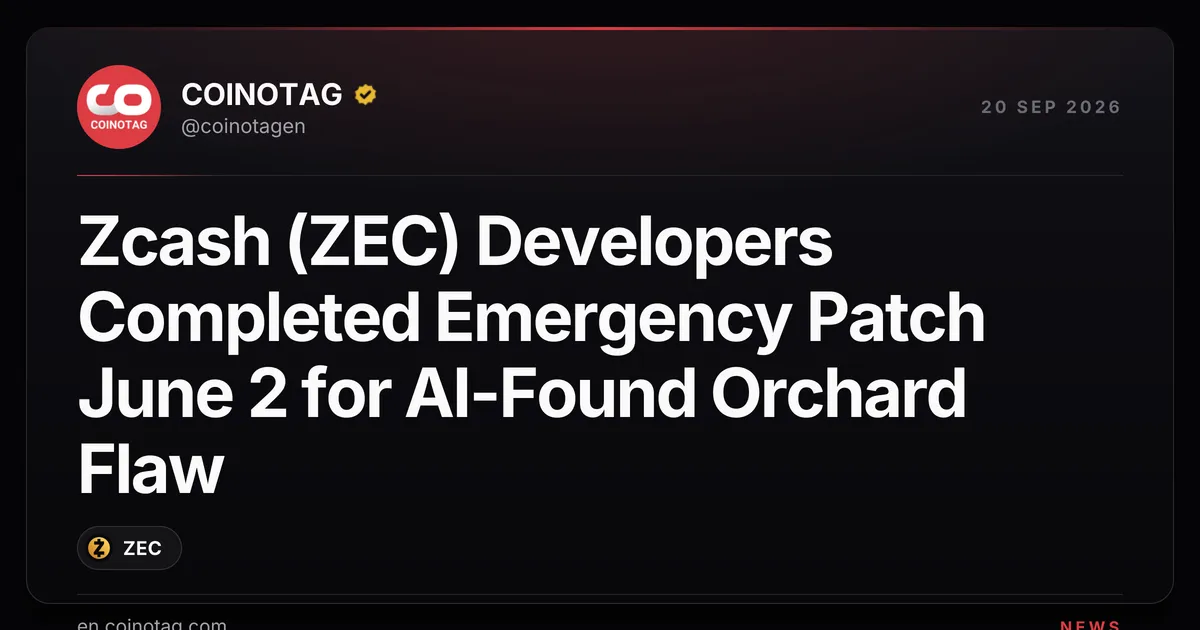
Zcash developers patched critical Orchard vulnerability on June 2
Why it matters: The risk of hidden ZEC issuance that undermined confidence in the coin's capped supply has been eliminated.

Crypto market slides: bitcoin at $80,504, MultiversX halts network after attack
Why it matters: A string of technical incidents and regulatory uncertainty is reviving risk-off sentiment; the key marker is whether bitcoin holds $80,000.
US DOJ Charges Two Former Exchange Engineers with Insider Trading on Listings
Why it matters: The precedent of extending insider trading liability to decentralized derivatives increases regulatory pressure on the market.

AI audit finds Zcash coin-forgery bug hidden for 4 years
Why it matters: It shows AI audits can uncover old logic holes in zk code, raising the bar for repeated reviews of privacy blockchains.
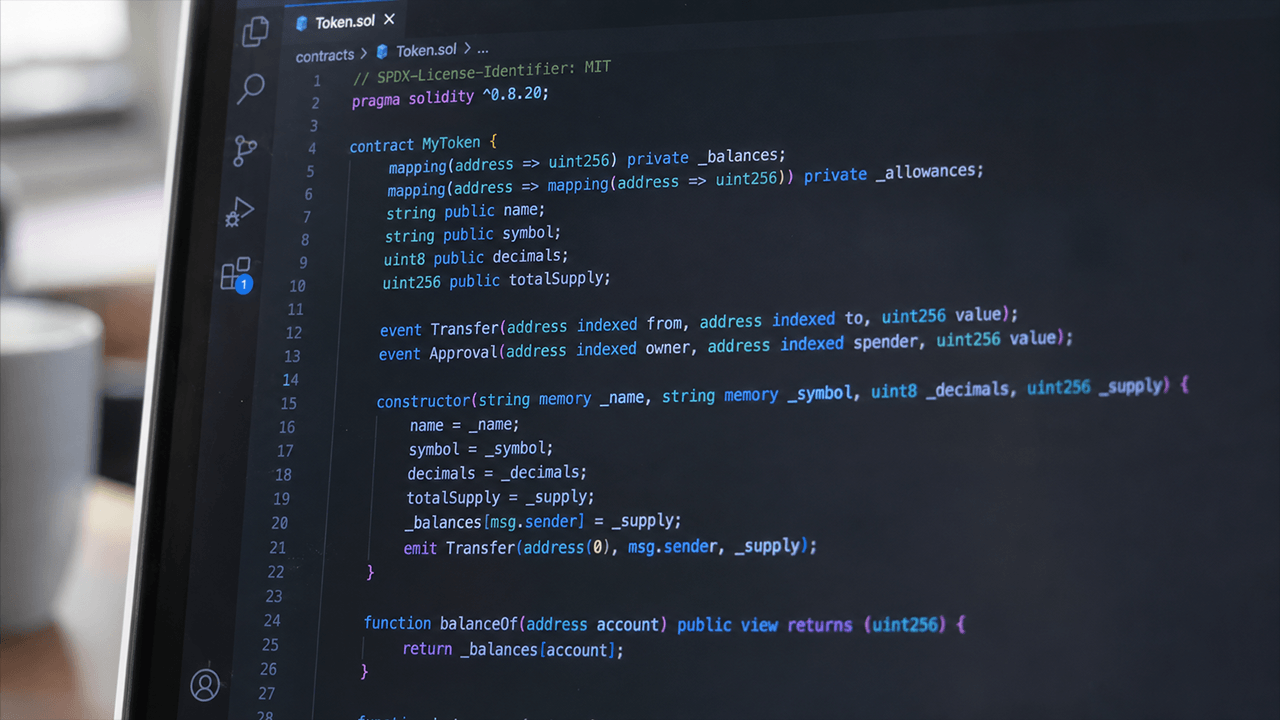
AI auditors find old crypto code flaws in Zcash, Coldcard as attacks rise
Why it matters: AI is making code audits cheaper while lowering the barrier to attacks, changing the security economics of crypto protocols.
7 million BTC under quantum threat as BIP-360 remains just a proposal
Why it matters: The quantum threat to old bitcoin addresses remains unresolved, which could weigh on holders' long-term confidence.

Polymarket accused of ignoring $10M stolen-card fraud
Why it matters: Compliance concerns at Polymarket increase regulatory pressure on prediction markets in the US.
MultiversX halts network after VM-level attack
Why it matters: The halt of an L1 network and risk of state loss is a blow to trust in MultiversX and its ecosystem; speed of recovery is critical.