Crypto hacks and security
Binance warns of FomoPeek malware in App Store stealing seed phrases
Why it matters: The malware passed Apple's moderation and attacks the phone itself rather than a single app, putting the keys of all crypto wallets on the device at risk.

Sigma Prime unveils Secstant audit tool built on real vulnerabilities
Why it matters: The tool could speed up smart contract audits, but it is still early-stage development with no release timeline.

Elon Musk's X Sues Network of Bitcoin Accounts Over Payout Fraud
Why it matters: The case sets a precedent for platform crackdowns on fake activity in the crypto segment of X; it could tighten moderation and cut fraudsters' income.

CertiK: Wrench attacks up 33% in first half of 2026
Why it matters: Physical attacks bypass any technical protection, forcing holders to reconsider privacy, multisig and custodial solutions.

New macOS Stealer 'Sonoma' Targets Crypto Wallets via Fake Zoom and Brave Downloads
Why it matters: The stealer specifically targets crypto wallets and Web3 tools, making real fund loss a risk for macOS users.

WSJ: Fraudsters hit Polymarket for $10M; CEO said 'scale first, fines later'
Why it matters: The CFTC investigation and reputational risks could hit Polymarket's $21 billion valuation and IPO plans, and add pressure on regulation of prediction markets.

North Korean hackers posing as recruiters stole $10.7M in crypto
Why it matters: North Korea continues to systematically fund its budget through crypto theft, raising the risk for developers and companies hiring remote staff.
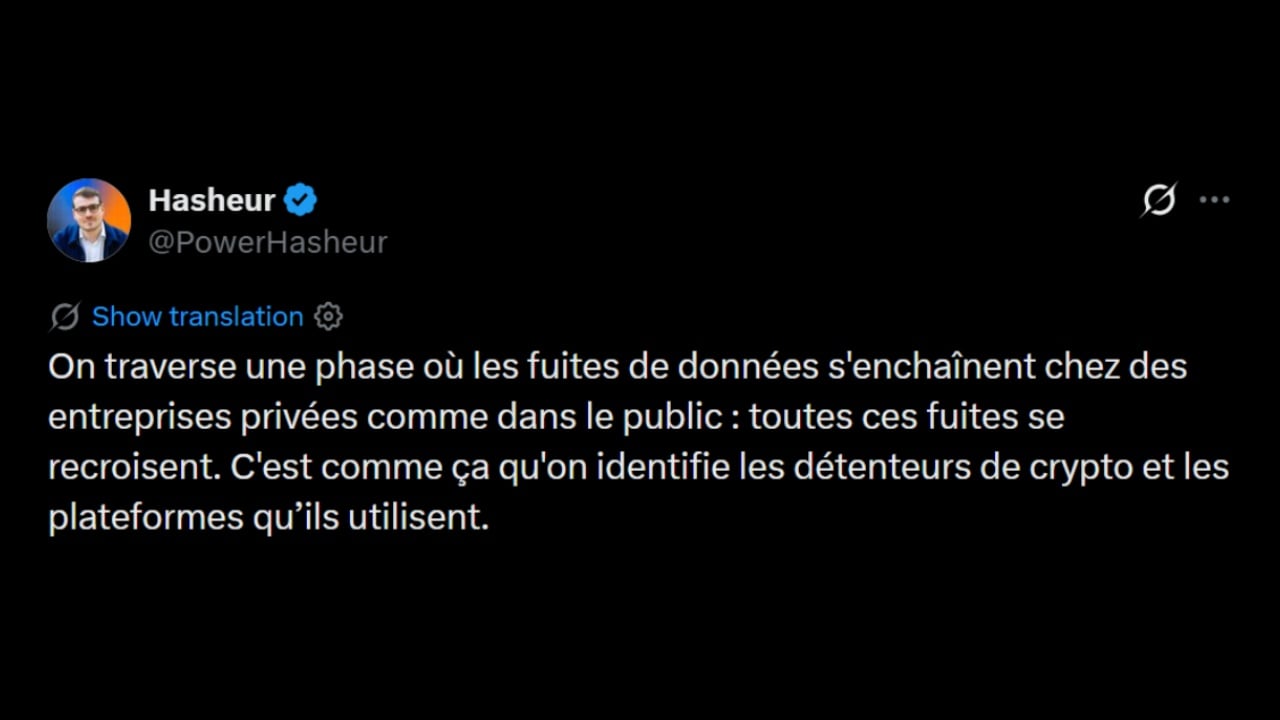
Data Leaks in France Trigger Wave of Fake Calls Impersonating Crypto Exchanges
Why it matters: The rise in leaks and fraud undermines trust in crypto services in France and increases risks for asset holders.
Fetch.ai halts bridge and AGIX-FET conversions after SingularityNET exploit
Why it matters: Another cross-chain bridge exploit underscores their vulnerability, and FET and AGIX could face pressure until conversions resume.

RAT malware steals over $235,000 in crypto from hundreds of victims in 48 hours
Why it matters: A reminder of self-custody risks: crypto transactions are irreversible, and once a device is infected the keys are effectively under the attacker's control.
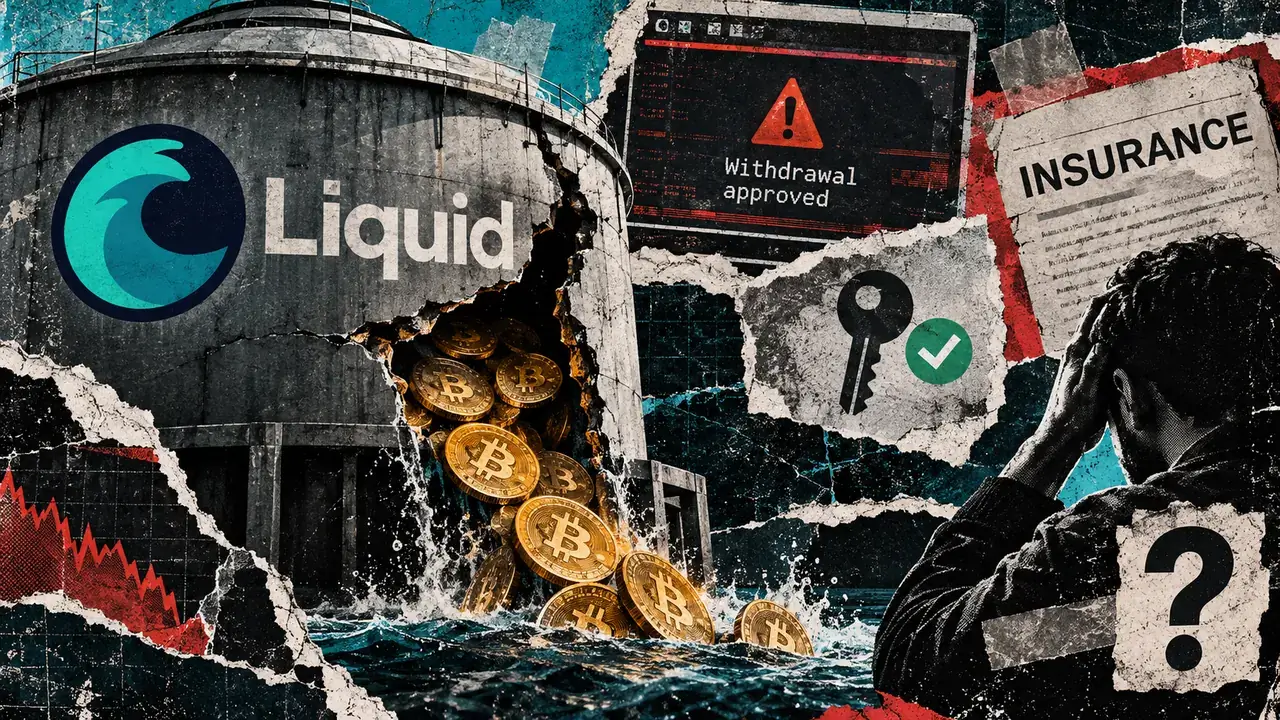
Liquid loses nearly 4,000 BTC to software flaw, not stolen keys
Why it matters: The incident shows that key protection does not guarantee asset safety: software vulnerabilities and insurance payout limits shift losses onto customers.

Google infiltrated hacker group TeamPCP and helped stop an attack
Why it matters: The case shows that AI is accelerating exploit development, while covert intelligence work inside such groups is becoming a key method of protecting crypto infrastructure.
Single hacker hit Fetch.ai, NuNet and SingularityNET: AGIX plunges 99%
Why it matters: The attack on three linked AI projects undermines trust in their tokens and infrastructure, with AGIX losing almost all of its value.

WSJ: hackers attacked about 500 Polymarket users without passwords
Why it matters: The incident heightens questions about Polymarket's security and compliance amid its $21 billion valuation and scaling plans.

France accounts for nearly 80% of Europe's crypto kidnappings: 135 incidents since 2023
Why it matters: Physical security for crypto holders is becoming a distinct risk, as criminals increasingly target people and their families rather than exchanges and wallets.

French gang beat father demanding crypto wallet seed phrase
Why it matters: A rise in wrench attacks and data leaks from crypto services and tax authorities is making physical security critical for crypto holders, especially amid EU DAC8 reporting.

Crypto worth €40,000 stolen in French home invasion
Why it matters: A growing number of physical attacks on crypto investors in France heightens risks for holders and pressure on regulators.
Saratoga resident loses $2.9 million in crypto scam
Why it matters: Another major crypto fraud case highlights the risks facing retail investors.

D'CENT warns of 9.3 million XRP theft from App Wallet users
Why it matters: The incident affects a popular wallet and Ripple's RLUSD, heightening risks for XRP holders and trust in software wallets.

Family of crypto worker kidnapped in France; four suspects flee
Why it matters: The incident heightens security concerns for crypto industry workers and could prompt new protection requirements.