Crypto exchange and company news
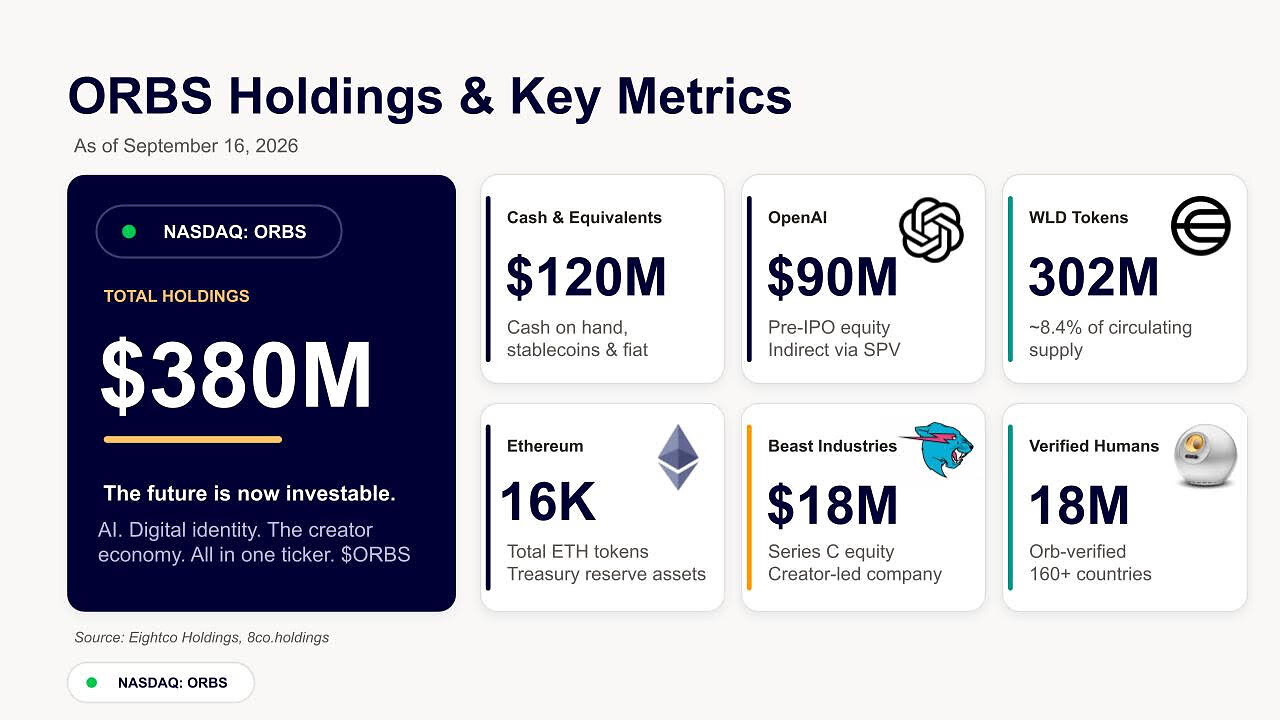
Eightco Holdings discloses $380 million portfolio: 16,278 ETH and 302 million WLD
Why it matters: The largest publicly disclosed institutional position in WLD strengthens the token's link to public-company treasury strategies.
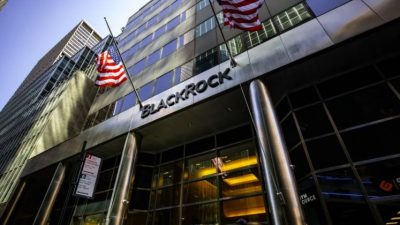
BlackRock boosts Strive SATA preferred stake by 133%
Why it matters: The world's largest asset manager is increasing its position in an instrument that directly funds bitcoin purchases, strengthening institutional demand for BTC.

The Vault launches in-house MPC library for institutional custody
Why it matters: In-house cryptography gives the custodian control over patch timelines and full code verification by auditors, reducing reliance on external vendors.

Circle shares fall 7% after CLARITY Act failure, TD Cowen raises target to $92
Why it matters: The CLARITY Act failure weighs on crypto stocks, but the Fed rate hike boosts Circle's USDC reserve income, while Arc diversifies revenue.
S&P Global agrees to buy blockchain auditor OpenZeppelin
Why it matters: A major ratings agency is buying crypto security expertise, strengthening institutional risk assessment of digital assets.

Fortitude names ex-Hut 8 chief Jamie Leverton CEO ahead of Nasdaq listing
Why it matters: A public listing for the miner via a SPAC-like deal could draw fresh capital into the bitcoin mining sector.
Ripple merges Swell and Apex into one New York event on October 27-29
Why it matters: An agenda featuring ETFs and tokenization could set the tone for expectations of institutional demand for XRP, though no specific announcements have been made yet.

CleanSpark to issue $2.23 billion in bonds through subsidiary
Why it matters: The miner's large debt raise shows how public companies in the sector are funding growth amid pressure on revenue.

Virtune's Hyperliquid ETP Starts Trading on Warsaw Stock Exchange
Why it matters: It expands European investors' access to HYPE through a regulated exchange-traded product, though real demand in Poland is not yet confirmed.
ProCap Financial to rename to Silvia, change ticker to SVIA
Why it matters: The rebrand and ticker change do not alter fundamentals, but may affect the stock's liquidity and visibility.

Nike appoints Alexandre Arnault to board after selling NFT studio RTFKT
Why it matters: A major brand is exiting the NFT segment for good, adding pressure on the market for digital collectible assets.
Gate: Robinhood Chain market turnover reaches $30 million in a day
Why it matters: Rising turnover in Robinhood Chain memecoins shows the ecosystem is attracting speculative capital and expanding liquidity on CEXs.

Paraguay's ueno bank with OTP stake quietly tests Bitcoin purchases in app
Why it matters: A major bank with European capital is embedding BTC purchases into its banking app, signaling closer ties between traditional banks and crypto in Latin America.
H100 CEO buys 407,000 shares, treasury holds 3,506 BTC
Why it matters: The transaction reflects growing insider confidence in the Bitcoin treasury model but does not change the company's BTC position.
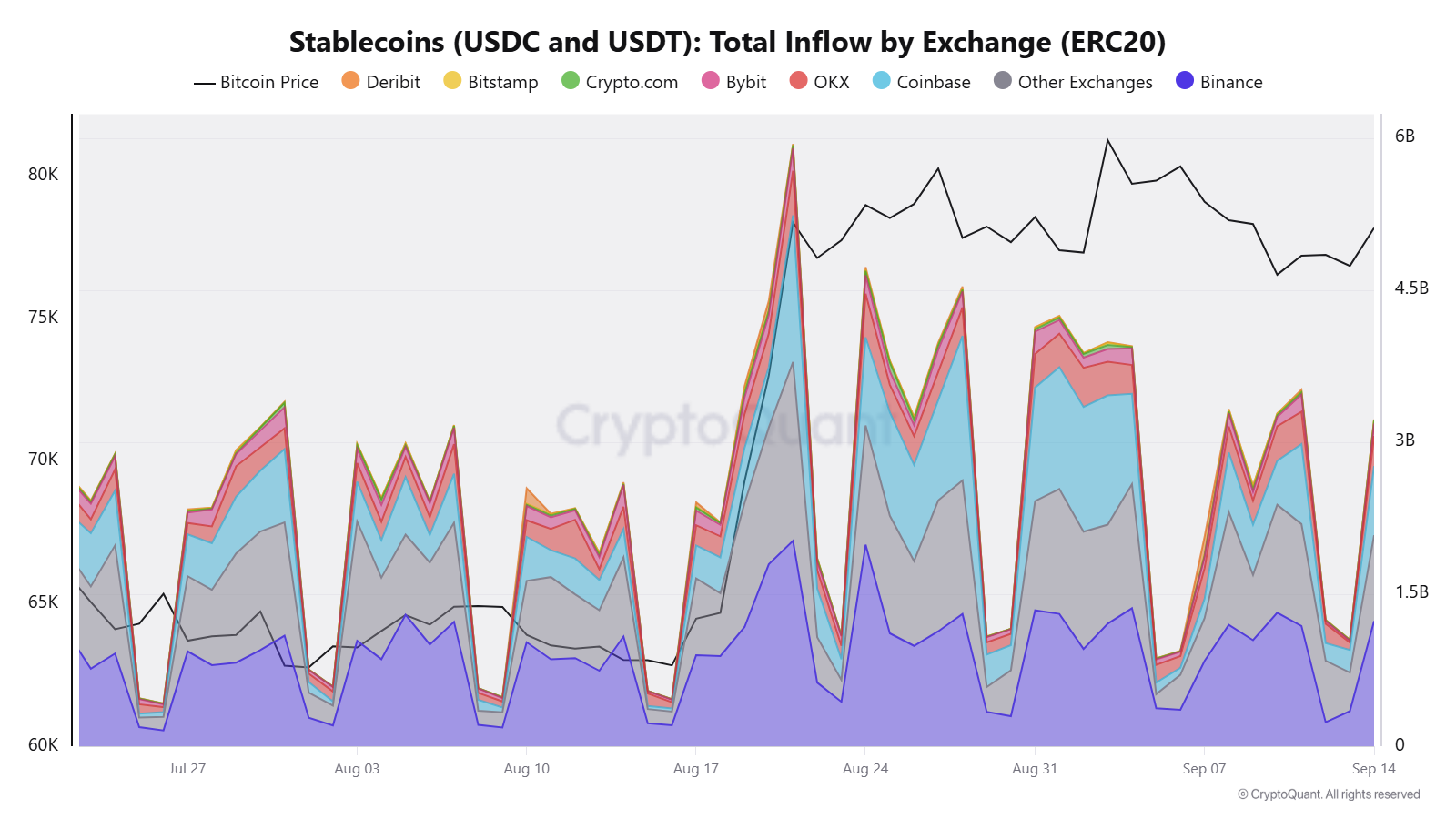
Binance sees $1.235 billion stablecoin inflow in a day as outflows from other exchanges accelerate
Why it matters: Stablecoin inflows to Binance signal continued purchasing power on the largest exchange, while outflows from Coinbase point to weakening US demand.
Binance expands auto-invest in stocks: over 100 new equities and ETFs
Why it matters: Expanding the exchange's TradFi product line intensifies competition for capital between the crypto and stock segments.
Bitget expands Proof of Reserves from 4 to 19 assets
Why it matters: Expanding PoR improves exchange transparency and allows more clients to independently verify the backing of their funds.

Coinhouse launches access to Spiko money market funds from €1
Why it matters: The crypto platform is expanding into traditional financial infrastructure, strengthening the convergence of crypto and classic finance in the EU.

OKX launches 24/7 tokenized stock trading on X Layer
Why it matters: It expands retail access to tokenized stocks and reinforces the trend of integrating RWAs into crypto infrastructure.

Bithumb employee receives police commendation for blocking $2.7M fraud
Why it matters: The case shows exchanges are playing a more active role in recovering stolen funds, reducing reputational and regulatory risks in South Korea.