Crypto exchange and company news

OKX launches 24/7 tokenized stock trading on X Layer
Why it matters: It expands retail access to tokenized stocks and reinforces the trend of integrating RWAs into crypto infrastructure.

Bithumb employee receives police commendation for blocking $2.7M fraud
Why it matters: The case shows exchanges are playing a more active role in recovering stolen funds, reducing reputational and regulatory risks in South Korea.

Nakamoto: company with $343M in BTC trades at half price
Why it matters: The record discount to NAV shows that the market does not believe in the crypto treasury company model and values them below asset value.
Binance: Uzbekistan Needs Education and Simple Products to Grow Crypto Market
Why it matters: The study shows the growth potential of the crypto market in Central Asia through stablecoins and transfers rather than speculation.
Korean managers launch crypto ETFs abroad, at home only indirect access
Why it matters: Korean managers are preparing infrastructure for possible legalization of spot crypto ETFs and tokenization, which could open the domestic market.

Strategy overtakes Berkshire Hathaway in daily stock trading volume
Why it matters: MSTR has cemented its role as the main exchange-traded proxy for bitcoin, amplifying crypto's influence on traditional indexes and ETFs.

MoonPay Hires Former GOPAX Deputy Head to Strengthen Korea Presence
Why it matters: MoonPay's strengthened presence in Korea signals growing competition for the stablecoin and payment infrastructure market in Asia.

Meme coin BabyDoge buys LimeWire brand with 8 million users
Why it matters: The deal reflects consolidation in a shrinking meme coin market, but weak token performance for both projects casts doubt on execution.
Evernorth: Wall Street isn't waiting, it's already deploying XRP infrastructure
Why it matters: RLUSD's growing share and Evernorth's Nasdaq plans show that XRP's institutional infrastructure is developing independently of the CLARITY Act's fate.
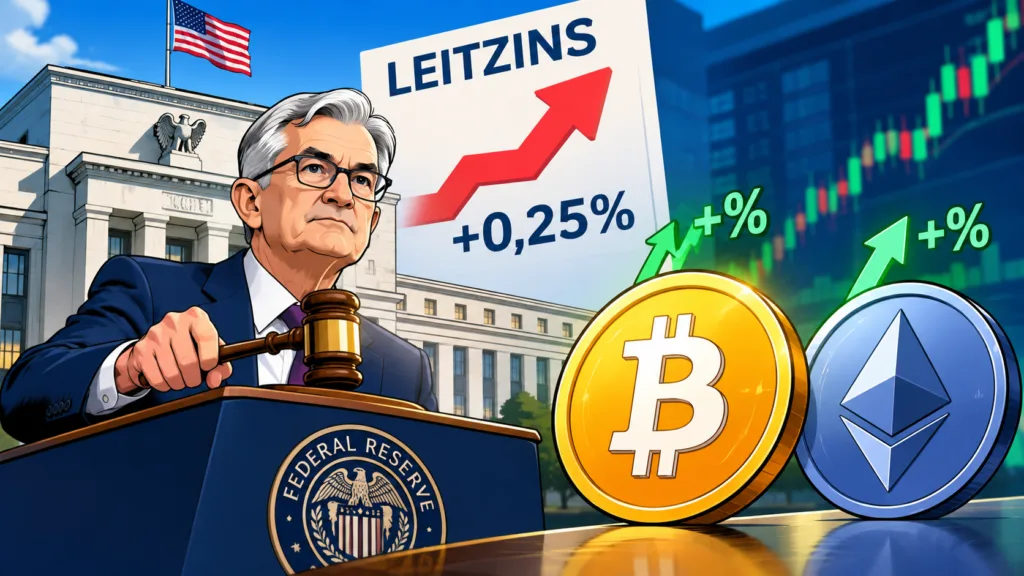
Bitcoin and Ethereum rise after Fed rate hike, Deutsche Bank to enter crypto custody
Why it matters: Deutsche Bank's entry into crypto custody strengthens institutional infrastructure, while BTC and ETH holding up after Fed tightening reduces the risk of further selling.
Binance AI tool tops 280,000 queries per day
Why it matters: Growing user engagement could affect trading volumes and set a standard for other exchanges.
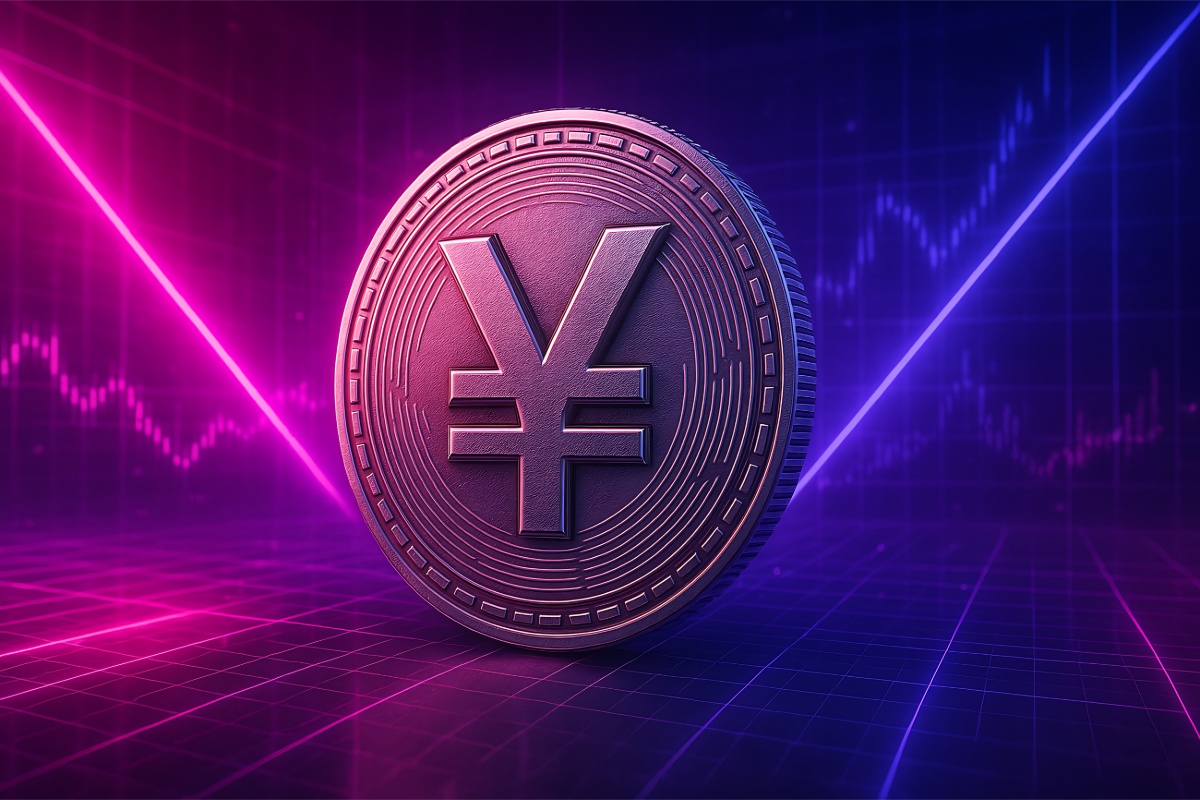
Upbit lists JPYC stablecoin with first Korean won pair
Why it matters: A new demand channel from Korea could halt the contraction in JPYC issuance and accelerate the stablecoin's minting.

GSR expands beyond market making with $57M acquisitions and tokenization bet
Why it matters: A major market maker is becoming a full-service institutional provider, intensifying competition for capital and tokenized assets.

Dunamu (Upbit) signs digital finance MOU with Alatau City in Kazakhstan
Why it matters: A major Asian exchange is entering the Central Asian market through tokenization and stablecoins, which could accelerate institutional adoption in the region.

Binance releases 46th Proof of Reserves report: BTC balances up 3.92%
Why it matters: Rising BTC and ETH balances point to an inflow of assets to the largest exchange, while the USDT outflow may signal lower trading activity.

CoinShares Approves Buyback of Up to 25% of Common Shares
Why it matters: The buyback program could support CoinShares' share price and signals the company's confidence in its own valuation.

KuCoin suspends USDT deposits on Optimism network
Why it matters: The restriction affects only USDT deposits via Optimism; withdrawals and trading are unaffected.
Crypto.com cleared to offer single-stock futures
Why it matters: It expands Crypto.com's derivatives lineup and signals a softening stance by US regulators toward crypto platforms.
KuCoin to update GALA, BSV and WAXL tickers and API symbols, trading pairs to be suspended
Why it matters: Holders of GALA, BSV and WAXL need to close bots and withdraw funds before September 20, or operations will become unavailable.
KuCoin lists Orochi Network (ON) token on September 17
Why it matters: A listing on a major exchange gives the token access to liquidity and new holders, but the project is little-known and carries elevated risk.