DeFi, stablecoins and network upgrades

Ownera integrates FinP2P protocol with Hedera for RWA tokenization
Why it matters: Strengthening RWA tokenization infrastructure could attract institutions to the Hedera ecosystem.

Robinhood Chain TVL nears $1B, but analyst recalls fate of failed L1s
Why it matters: Robinhood Chain's growth has yet to be tested by a full market cycle, and the history of L1s shows liquidity can vanish once interest fades.

Curve: LLAMMA turns liquidations into a managed process with 704 episodes in six months
Why it matters: The LLAMMA model reduces the risk of forced selling during stress periods, which matters for the resilience of DeFi lending.

Chainalysis adds automatic token support for Arc network
Why it matters: The integration expands compliance infrastructure for the Arc ecosystem, which is important for institutional adoption of Circle's stablecoins.
Evernorth: RLUSD share on XRP Ledger rises to 34%, tokenized assets hit $4.4B
Why it matters: The rising share of RLUSD and tokenized assets on the XRP Ledger signals accelerating institutional adoption of the network.

VeChain activates Interstellar hard fork on mainnet
Why it matters: Full EVM compatibility simplifies the deployment of Ethereum projects on VeChain, but the impact depends on developers arriving in the coming months.
Circle launches x402 Facilitator Service on Arc, Base and Polygon PoS
Why it matters: Circle is consolidating the facilitator, blockchain and stablecoin under its own roof, speeding up payments for APIs and AI agents but increasing infrastructure concentration.

NFT gacha Fake World Assets launches purchases in V2
Why it matters: The update reduces V1 risks and adds new mechanics, but mainly affects a niche NFT gacha rather than the broader market.

Drivechain creator says Bitcoin can't activate soft forks after Taproot
Why it matters: Stagnation in Bitcoin consensus upgrades limits the network's development and intensifies debates over scaling and post-quantum security.
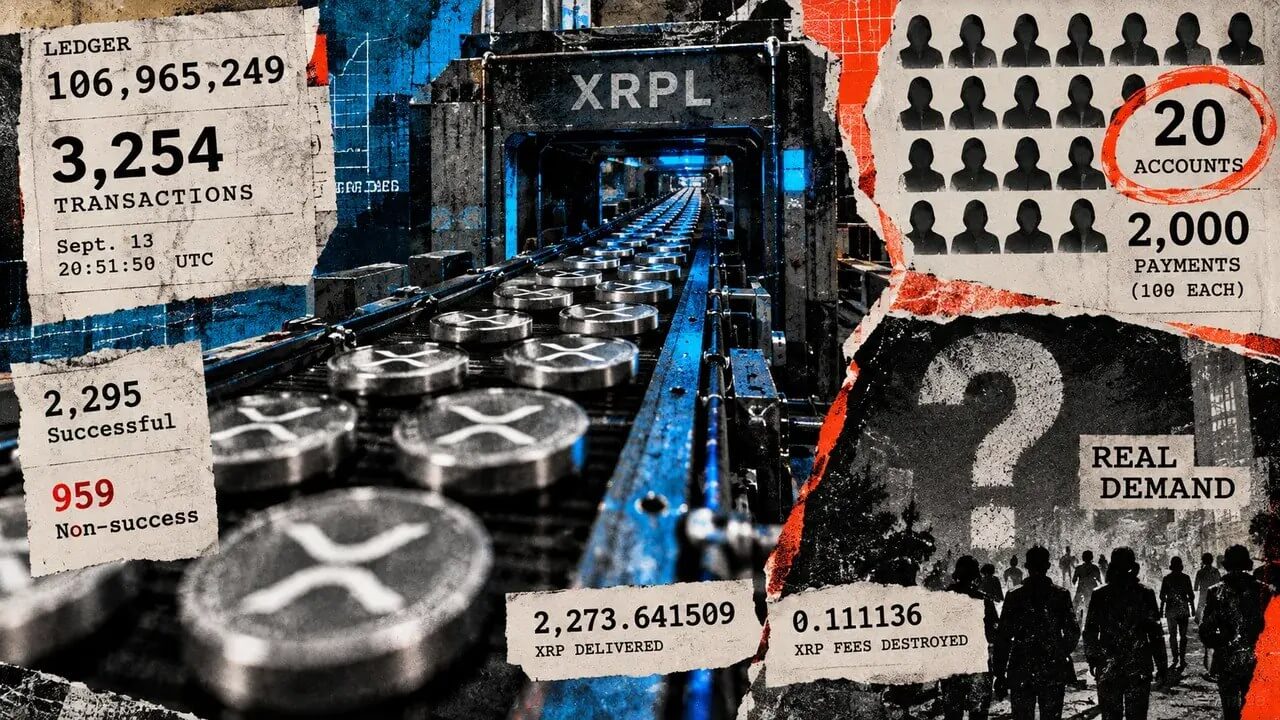
XRPL processes 3,254 transactions in one ledger, but load was synthetic
Why it matters: The record confirms the network's throughput, but the synthetic nature of the load says nothing about real demand for XRP.

Uniswap integrates Arc across all protocol versions
Why it matters: Growing stablecoin liquidity on Arc will intensify DEX competition and could increase Uniswap's trading volumes.

Avalanche to support UAE digital wallet and South Korea market tokenization
Why it matters: Institutional adoption of Avalanche is growing, but the network's role in the Korean project has not yet been officially confirmed.

Robinhood CEO invites developers to join Robinhood Chain ecosystem
Why it matters: A signal of developer recruitment for Robinhood's L2: rising network activity could intensify competition with Base and Hyperliquid.

Venice hits 250 billion tokens per day, up 150% since June
Why it matters: Venice's rising load shows demand for private AI services paid for in tokens, supporting the VVV model.

Cardano: fees covered only 0.7% of staking rewards, transactions down 72%
Why it matters: The gap shows Cardano's rewards are sustained by reserve emissions rather than fees, and the network needs real activity growth to be sustainable.

NEAR Protocol launches direct deposit from Tron with withdrawal to Ethereum
Why it matters: Simpler transfers between Tron and Ethereum could increase cross-chain volumes and intensify competition among interoperability solutions.

Ethereum and Base split on account abstraction standards
Why it matters: Fragmentation of standards will force wallets to support two transaction formats, slowing the adoption of native account abstraction.

Pyth Network launches Pyth Pro and indices on Circle's Arc
Why it matters: Expanding oracle services on Arc could accelerate institutional adoption of DeFi infrastructure.

StarkWare launches quantum-safe bitcoin transaction contest with $20K prize
Why it matters: The work lowers the cost of protecting bitcoin from quantum threats without a hard fork, which is important for the network's long-term security.

Arc integrates with Polygon's Open Money Stack for cross-chain USDC payments
Why it matters: Simplifying cross-chain USDC transfers could accelerate stablecoin adoption and boost activity on the Polygon and Arc networks.