DeFi, stablecoins and network upgrades

Arc integrates with Polygon's Open Money Stack for cross-chain USDC payments
Why it matters: Simplifying cross-chain USDC transfers could accelerate stablecoin adoption and boost activity on the Polygon and Arc networks.

Robinhood Chain overtakes Hyperliquid in daily app revenue
Why it matters: It shows that the Robinhood L2 network is already competing with the largest DeFi protocols on fees, but the figures are highly volatile.

Janus Henderson becomes Avalanche validator, expands tokenization push
Why it matters: A major institutional player combining the roles of issuer and infrastructure strengthens the tokenized RWA sector on Avalanche.

Cardano joins x402 codebase: native AI-agent payments on the network
Why it matters: The native integration lowers tooling support costs and opens the AI-agent payments market to Cardano.
Tare raises $13.25 million for lending software on Avalanche
Why it matters: The large venture round supports the tokenization of lending processes on Avalanche, which could accelerate institutional capital inflows into DeFi lending.

Aster integrates Arc for USDC deposits and withdrawals
Why it matters: Arc is strengthening as a settlement layer for exchanges, and USDC margin is becoming a competitive advantage for perpetual DEXs.

Etherscan launches ArcScan, a block explorer for Circle's Arc network
Why it matters: Etherscan API compatibility will ease developer migration into the Arc ecosystem, strengthening Circle's position in stablecoin payments.

Iris raises $43 million for blockchain infrastructure for telecom operators on Avalanche
Why it matters: The case shows dedicated L1s and stablecoins moving beyond crypto into telecom settlements, but it all rests on a single investor.
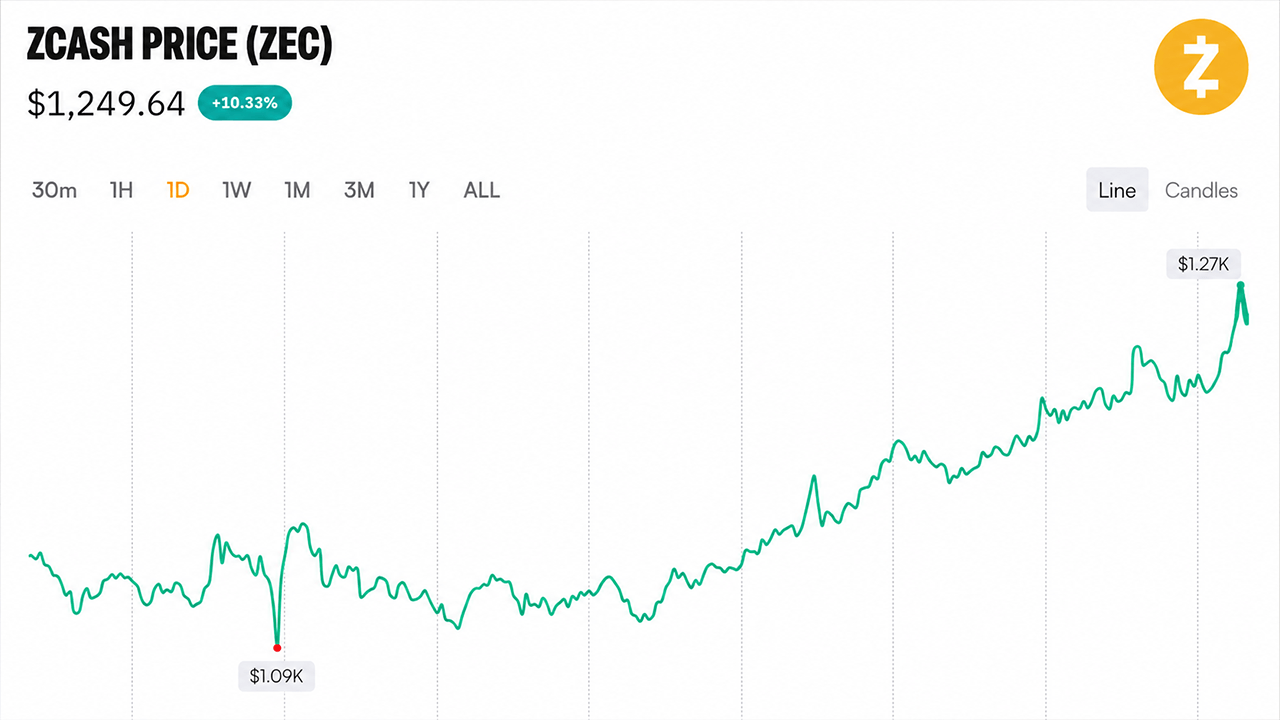
Zcash rises to $1,270 after vote: 99.9% back 25-second blocks
Why it matters: The vote does not change the code: developers must still implement and test NU7, and ZEC's rally runs against a falling market.

Aave launches Arc with stablecoin markets and Core Hub
Why it matters: Arc bridges DeFi with traditional finance and could boost demand for stablecoins and institutional lending.

SparkLend TVL jumps 55% to $7.4B as protocol shuts Gnosis Chain deployment
Why it matters: SparkLend is cementing its place among the three largest DeFi lending protocols, concentrating liquidity on Ethereum and within the Sky ecosystem.

Theo launches tokenized silver thSLVR backed by $40M in leases
Why it matters: It expands the tokenized commodities segment by adding a yield model to metal ownership.

Bolivian operator VIVA moves part of its finances onto Avalanche
Why it matters: The case shows stablecoins and the Avalanche blockchain moving into the real corporate sector in Latin America.

OpenAssets brings tokenization infrastructure to AWS Marketplace
Why it matters: It lowers the barrier to institutional tokenization by letting banks deploy it within their own cloud infrastructure.

Uniswap tops 50% of spot tokenized asset trading volume
Why it matters: Growing RWA volumes strengthen Uniswap and UNI, but concentration among 1,400 wallets creates a risk of seller pressure.

Pendle to resume sNET redemptions on Robinhood Chain from October 1, 2026
Why it matters: The return of redemptions could draw liquidity and new users into the Pendle and Robinhood Chain ecosystems.
GMX proposes $10 million market-making fund and GT buyback launch
Why it matters: Buybacks and liquidity support could ease selling pressure on GMX, but the decision rests with the DAO vote.
Solana to activate 250 ms slots on mainnet on September 18
Why it matters: Shorter slots speed up transaction confirmation and reduce spreads, boosting Solana's competitiveness.

Multi-builder Ethereum block construction goes live on mainnet
Why it matters: MPBC reduces the risk of block-building centralization and transaction censorship without requiring a hard fork, changing the economics of MEV and transaction inclusion order.
Batch amendment in XRP Ledger enters activation period
Why it matters: Batch simplifies complex operations and settlements for banks, and the next major step for XRPL will be on-chain lending with yield in XRP.