DeFi, stablecoins and network upgrades

Filecoin launches warm storage to support AI agents
Why it matters: The development of infrastructure for AI agents could boost demand for Filecoin's decentralized storage.
Avalanche Foundation presents AVAX tokenomics framework at Summit 2026
Why it matters: Declining staking rewards risk driving validators away, so the new model will determine how AVAX retains value.

Paid launchpad goes live on Solana with payouts via X Money
Why it matters: Tying fees to X accounts could accelerate the growth of memecoin launchpads on Solana, but questions about licensing and payout scalability remain open.
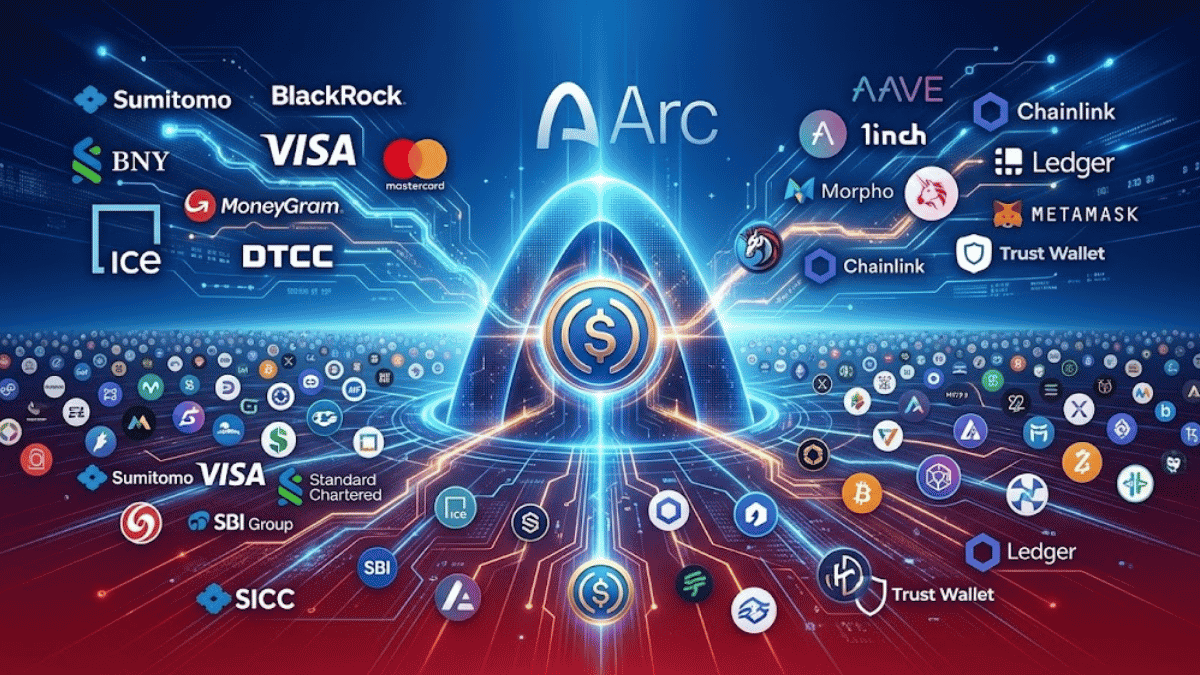
Over 100 companies and protocols join Circle's Arc network
Why it matters: The mass onboarding of participants strengthens the Arc ecosystem and competition for USDC liquidity across L1 networks.

Fireblocks: tokenized US Treasuries are trading in production
Why it matters: The growth of US Treasury tokenization could attract institutions and boost liquidity in the government debt market.

Solana memecoin ZCAT distributes $8 million in ZEC to holders
Why it matters: The scheme shows how memecoins can become a channel for token distribution, but its sustainability depends on ZCAT's trading volume.

Hyundai Card plans to scale Avalanche payments after pilot
Why it matters: A successful pilot by a major automaker could accelerate stablecoin adoption in corporate settlements and boost demand for the Avalanche network.

Solana triples transaction size, prepares 250 ms slots
Why it matters: Growing throughput and activity strengthen Solana's position in the competition for DeFi and tokenized assets, but increase the load on validators.

Aave V4 tops $1 billion in deposits — an all-time high
Why it matters: The rise in deposits signals returning confidence in DeFi lending, which could attract institutional capital.

Anoma launches Governance V2, giving XAN holders full protocol control
Why it matters: The model transfers protocol control to the XAN community, reducing the role of privileged intermediaries and setting a standard for DAO governance.

1inch integrates Arc network for cross-chain swaps in dApp
Why it matters: It expands access to Arc liquidity for 1inch users and intensifies competition among DEX aggregators.

KuCoin, Morpho, Uniswap launch on Circle's Arc mainnet
Why it matters: The day-one launch of key DeFi and exchange protocols strengthens liquidity and trust in Arc, which competes with other L1/L2 networks.

Kalshi Integrates Pyth Indices for Gold and Silver Markets
Why it matters: The integration shows demand for on-chain data for traditional assets and could draw metals traders onto crypto platforms.

Ownera integrates FinP2P protocol with Hedera for RWA tokenization
Why it matters: Strengthening RWA tokenization infrastructure could attract institutions to the Hedera ecosystem.

Robinhood Chain TVL nears $1B, but analyst recalls fate of failed L1s
Why it matters: Robinhood Chain's growth has yet to be tested by a full market cycle, and the history of L1s shows liquidity can vanish once interest fades.

Curve: LLAMMA turns liquidations into a managed process with 704 episodes in six months
Why it matters: The LLAMMA model reduces the risk of forced selling during stress periods, which matters for the resilience of DeFi lending.

Chainalysis adds automatic token support for Arc network
Why it matters: The integration expands compliance infrastructure for the Arc ecosystem, which is important for institutional adoption of Circle's stablecoins.
Evernorth: RLUSD share on XRP Ledger rises to 34%, tokenized assets hit $4.4B
Why it matters: The rising share of RLUSD and tokenized assets on the XRP Ledger signals accelerating institutional adoption of the network.

VeChain activates Interstellar hard fork on mainnet
Why it matters: Full EVM compatibility simplifies the deployment of Ethereum projects on VeChain, but the impact depends on developers arriving in the coming months.
Circle launches x402 Facilitator Service on Arc, Base and Polygon PoS
Why it matters: Circle is consolidating the facilitator, blockchain and stablecoin under its own roof, speeding up payments for APIs and AI agents but increasing infrastructure concentration.