Crypto news today

Pi Network to Unlock 914K Users After KYC and Mainnet Fix
Why it matters: Lifting KYC and migration blocks could restore activity for a significant part of the Pi community and speed up the token's transition to mainnet.

Polygon Prepares to Burn 100M POL via Permissionless Contract
Why it matters: The burn will reduce POL supply but does not cancel the 2% annual issuance — the deflationary effect depends on future fees.

BofA: Fed Under Warsh Could Raise Rates Above 5%
Why it matters: A more aggressive Fed cycle will increase pressure on the crypto market and risk assets, supporting the dollar and yields.
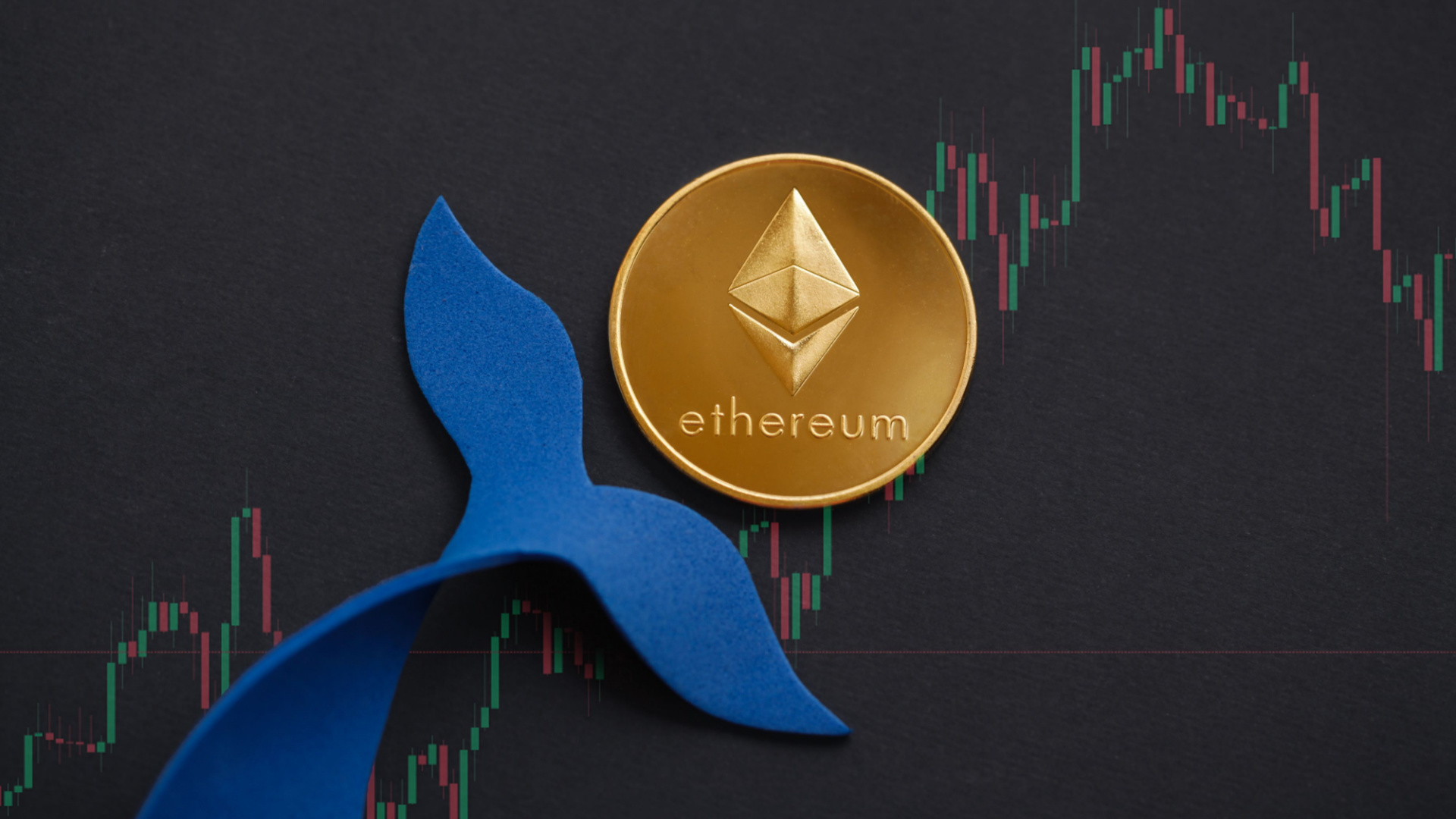
Ethereum hits January high as wallets with balance set record
Why it matters: The growth in addresses and whale activity points to an expanding holder base, but does not guarantee price stability.
Coinbase shares jump 12% after SEC approves tokenized stocks
Why it matters: It opens a legal path for trading tokenized stocks on crypto platforms, strengthening the link between TradFi and crypto.

Zecto patents on-chain payments via QR codes and external blockchain wallets
Why it matters: The patent and pilot with real POS terminals could accelerate the adoption of stablecoin payments in Korean retail.
Ethereum breaks $2,600 after $85 million short squeeze
Why it matters: Breaking resistance at $2,600 could turn it into support, but sustainability depends on buyers arriving without leverage.
Bitcoin holds $78,000 as LSK, ARB, NEAR and ZEC lead the bounce
Why it matters: The market absorbed the failure of the CLARITY Act and tightening by the Fed and Bank of Japan — a signal that sellers are exhausted.

Tare proposes moving consumer loans onto the Avalanche blockchain
Why it matters: If the model lowers costs, it could accelerate the tokenization of credit assets, but the real effect on rates and access to credit is not yet confirmed.

USDT on TRON hits $94.26 billion, Tether accounts for 98.5% of stablecoins
Why it matters: TRON remains the largest network for USDT transfers, but its near-total dependence on Tether makes its ecosystem vulnerable to the issuer's decisions.

XRP bounces 7% to $1.39 after CFTC rule filings
Why it matters: The bounce rests on short covering rather than sustained demand: without new buying, XRP may fail to hold $1.40.

LINK rebounds 6.21% to $12.11, tests $12 resistance
Why it matters: A breakout above $12–13 would bring $15 back into focus, while holding below risks a return to $11.

Bitcoin breaks $81,000 as Aramco halts oil supplies to Europe
Why it matters: Bitcoin's rise is supported by the SEC's regulatory easing and lower oil risks, boosting risk appetite in the crypto market.
Crypto stocks rally: Strategy +16.32%, MARA +13.59%, Coinbase +11.18%
Why it matters: The rally in crypto stocks reflects a return of risk appetite after bitcoin rebounded above $80,000.

Bitwise CIO compares tokenization boom to early Nvidia AI rally
Why it matters: A signal of institutional recognition for tokenization: the S&P deal and SEC rules could accelerate capital inflows into on-chain assets.

Binance pays $1.88 dividends on tokenized SPYB shares
Why it matters: Auto-reinvesting dividends into tokens brings on-chain stocks closer to traditional DRIP programs and tests demand for tokenized securities outside brokerage accounts.

Uniswap and Spark build FX layer for stablecoins with $150M liquidity
Why it matters: A shared liquidity pool could reduce stablecoin fragmentation and increase trading volumes on Uniswap v4.
Solana hits seven-month high above $110, open interest up 18%
Why it matters: The break above $110 confirms capital rotation into altcoins; holding $100 keeps the bullish scenario intact, while losing it opens the path to a correction.
HYPE hits all-time high as Hyperliquid Strategies buys 4.28M tokens in three weeks
Why it matters: Large institutional purchases support HYPE at highs, but the price doubling while revenue fell 50% points to built-in optimism.

Polymarket: 84% odds of another Fed rate hike in 2026
Why it matters: The on-chain prediction market aligns with CME futures, reinforcing expectations of tight policy and pressure on the crypto market.