Crypto news today

Strategy buys no BTC, Strive adds 469 BTC, KULR sells all reserves
Why it matters: Diverging moves by treasury companies show that corporate demand for bitcoin is uneven ahead of expectations for the Fed's decision.
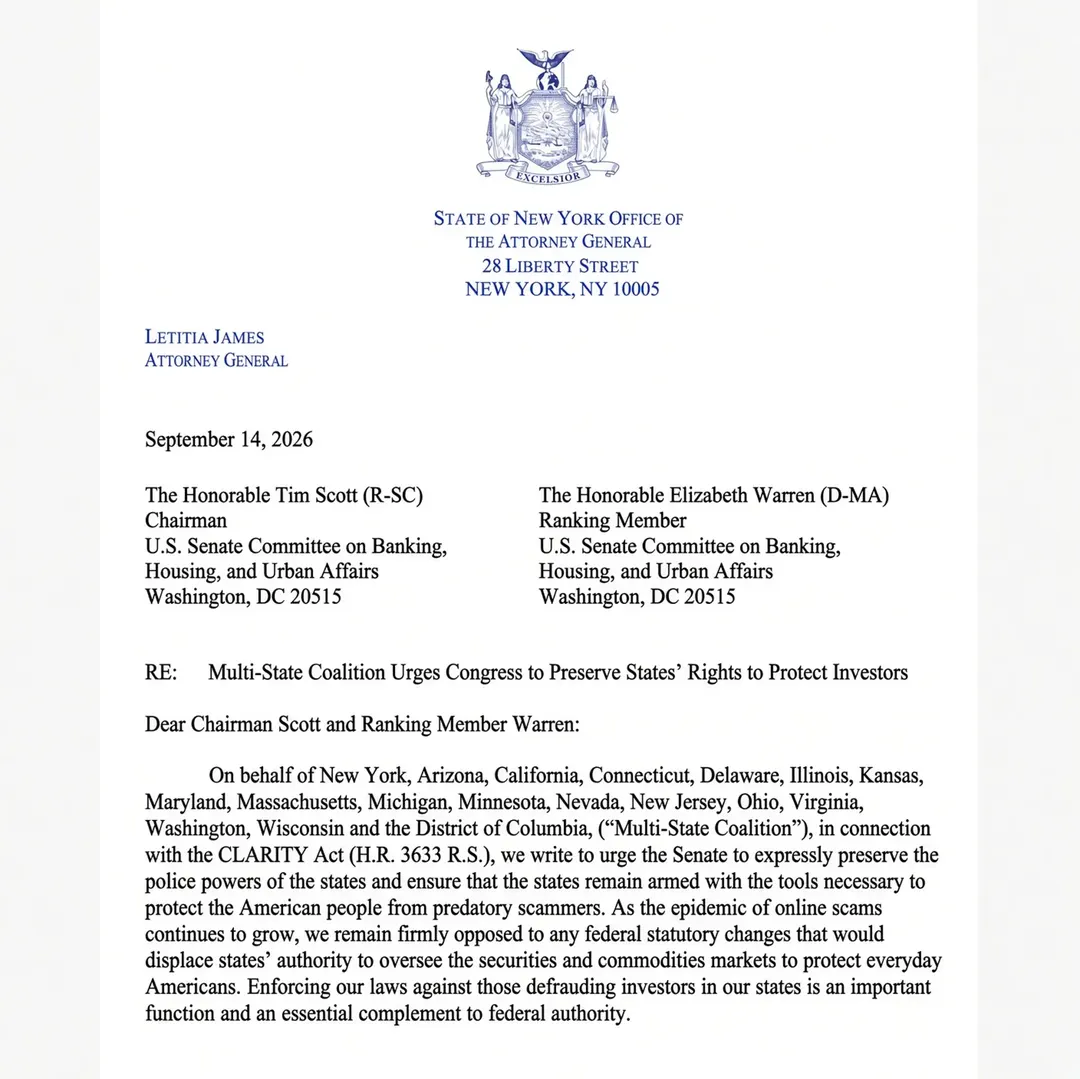
18 US state attorneys general oppose CLARITY Act
Why it matters: The states' stance strengthens resistance to the bill and increases uncertainty over US crypto market regulation.

Teravolt proposes repurposing bitcoin farms for AI power supply
Why it matters: AI growth could intensify competition for electricity and push bitcoin mining off cheap energy sites.

CFTC pays whistleblowers more than $150 million for fraud tips
Why it matters: The CFTC's expanding jurisdiction over crypto derivatives and the spot market raises risks for violators and encourages whistleblowing.
Sky completes first burn of 2.86 million SKY using 5% of monthly profit
Why it matters: The launch of the deflationary mechanism reduces SKY supply and ties the token's price to protocol revenue.
Stand With Crypto mobilizes support for CLARITY Act ahead of Sept. 15 vote
Why it matters: The vote's outcome will shape the U.S. crypto market's regulatory framework and the level of ethical requirements for officials.
a16z: without CLARITY Act, next crash will be worse than FTX
Why it matters: The Senate vote on the CLARITY Act is expected Sept. 15 — market rules and client fund protection hinge on the outcome.

JPMorgan double-upgrades IREN to Overweight on AI pivot
Why it matters: A signal that Wall Street values miners' pivot to AI infrastructure above pure proof-of-work mining.

Alice Liu: bitcoin's bottom this year may have been $59,000
Why it matters: The view that the bottom is in supports a bullish scenario, but the market remains dependent on the Fed's rate decision.
Crypto stocks rally: Bullish +8%, Coinbase +7.5%
Why it matters: The rally in crypto stocks signals a return of risk appetite ahead of the week's key events.
Bitmine buys another 27,180 ETH, reserves near 6 million
Why it matters: The largest corporate ETH holder is adding to its position, supporting demand for the asset and setting a benchmark for other companies.

MetaMask adds wallet protection against crypto scams
Why it matters: It reduces the risk of fund loss for MetaMask users, one of the most popular wallets in crypto.
Changpeng Zhao: BNB ecosystem is open, leaders don't build walls
Why it matters: A signal of mutual openness among major players could accelerate liquidity integration between BNB Chain and Robinhood Chain.
Corporate crypto treasuries diverge on funding models
Why it matters: Valuation of crypto treasuries is shifting from reserve size to cost of capital and funding efficiency.
Ethereum L1 and Base split on account abstraction standard
Why it matters: The split standards will complicate wallet and app development and could slow the adoption of account abstraction on Ethereum.
Zest Protocol launches incentives program on Stacks with STX payouts
Why it matters: Zest is building liquidity ahead of its Bitcoin staking product launches, which could boost DeFi activity in the Stacks ecosystem.
Bitcoin ETFs lose 933 BTC in a day, Ethereum ETFs attract 74,500 ETH
Why it matters: The divergent flows show capital rotating from Bitcoin into Ethereum ahead of the Fed meeting.
Tokenovate executes intraday repo trade on Canton Network settled in USDC
Why it matters: The case demonstrates the use of the Canton blockchain and USDC stablecoin in institutional post-trade operations.
Market prices 80.5% odds of Fed rate hike at September 15-16 meeting
Why it matters: A rate hike would increase pressure on risk assets, including Bitcoin, and could trigger outflows from crypto into short-term bonds.
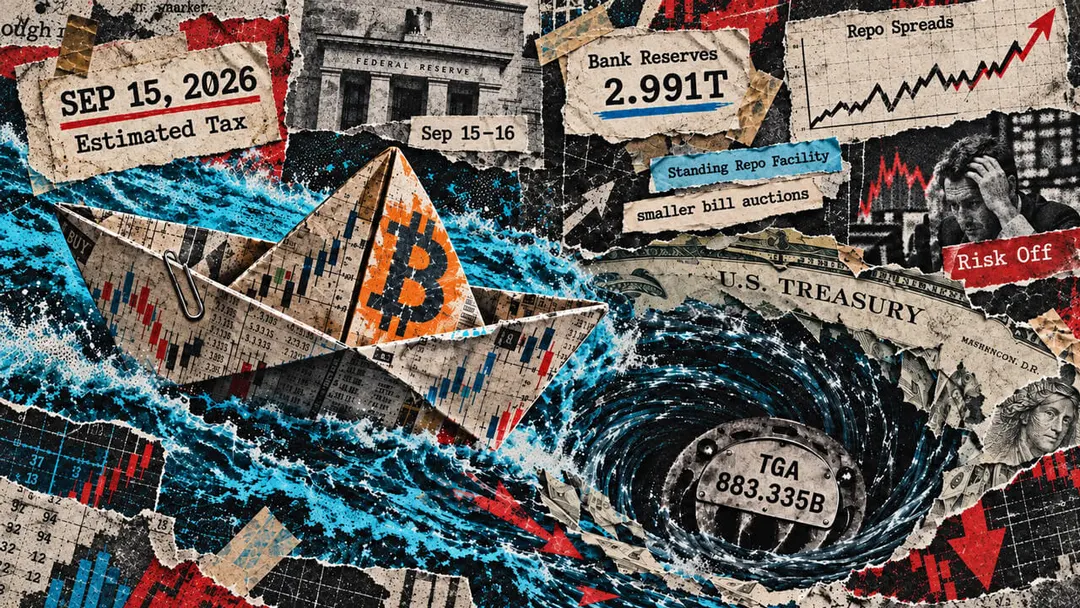
US tax deadline on September 15 to test Bitcoin liquidity
Why it matters: The drain of liquidity into the Treasury ahead of the Fed decision could increase Bitcoin volatility and pressure on risk assets.