Crypto news today

COTI launches Privacy-on-Demand and Privacy Portal on Avalanche
Why it matters: Private transactions on a public blockchain open up use cases for payroll, DeFi and RWA, but could increase regulatory pressure on privacy solutions.

Garlinghouse: after CLARITY Act failure, optimism persists via SEC and CFTC
Why it matters: The shift of US crypto regulation toward agency rules from the SEC and CFTC will determine market conditions without new legislation.

Filecoin launches warm storage to support AI agents
Why it matters: The development of infrastructure for AI agents could boost demand for Filecoin's decentralized storage.

HNT rises 11.12% to $0.4487 in an hour
Why it matters: The gain comes amid mixed market signals; the nearest resistance is $0.4487, with support around $0.40.

ERA releases software wallet for its hardware device
Why it matters: The product lowers the barrier to self-custody of crypto, which could intensify competition among hardware wallet makers.

NEAR rises 7.6% after airdrop of 333,333 tokens at $70M TVL
Why it matters: The airdrop with a lock until $3.33 encourages NEAR holding and TVL growth, but the price depends on the Fed's rate decision.
Avalanche Foundation presents AVAX tokenomics framework at Summit 2026
Why it matters: Declining staking rewards risk driving validators away, so the new model will determine how AVAX retains value.

Trump appointees tighten crypto oversight as bill stalls
Why it matters: Tighter oversight without a legislative framework weighs on bitcoin expectations and increases uncertainty for the market.
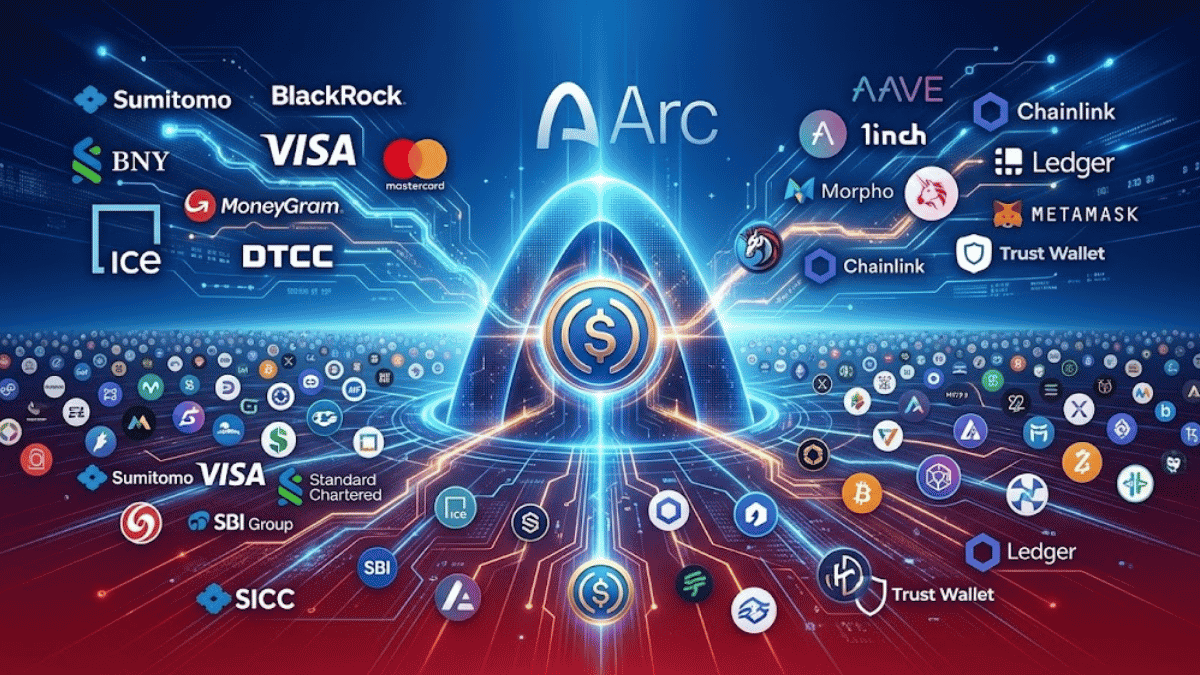
Over 100 companies and protocols join Circle's Arc network
Why it matters: The mass onboarding of participants strengthens the Arc ecosystem and competition for USDC liquidity across L1 networks.

Paid launchpad goes live on Solana with payouts via X Money
Why it matters: Tying fees to X accounts could accelerate the growth of memecoin launchpads on Solana, but questions about licensing and payout scalability remain open.

Fireblocks: tokenized US Treasuries are trading in production
Why it matters: The growth of US Treasury tokenization could attract institutions and boost liquidity in the government debt market.

Bitdeer mined 1,310 BTC in August, up 249% year on year
Why it matters: Rising mining output and hashrate strengthen Bitdeer's position among public miners, while AI Cloud growth diversifies revenue away from bitcoin.

Saudi Arabia halts oil supplies to Europe: WTI at $103, Treasury yields at 5%, bitcoin falls
Why it matters: Rising yields and the oil shock increase pressure on risk assets, including bitcoin, and raise the odds of further Fed tightening.

SEC hints at crypto regulation without Congress, Fed hikes rate to 4%
Why it matters: The SEC's regulatory promises are not keeping pace with monetary pressure: the rate hike and ETF outflows are weighing on bitcoin, which is stuck in a $76,000–$83,000 range.

SA analyst: Fed rate hike will intensify stagflation fears
Why it matters: Stagflation risks weigh on risk assets, including bitcoin and the crypto market.
Solana memecoin ZCAT distributes $8 million in ZEC to holders
Why it matters: The scheme shows how memecoins can become a channel for token distribution, but its sustainability depends on ZCAT's trading volume.

Blockchain ID data leak exposes 200,000 records
Why it matters: Identity data leaks are irreversible and create long-term risks for crypto users, whereas stolen funds are sometimes returned.
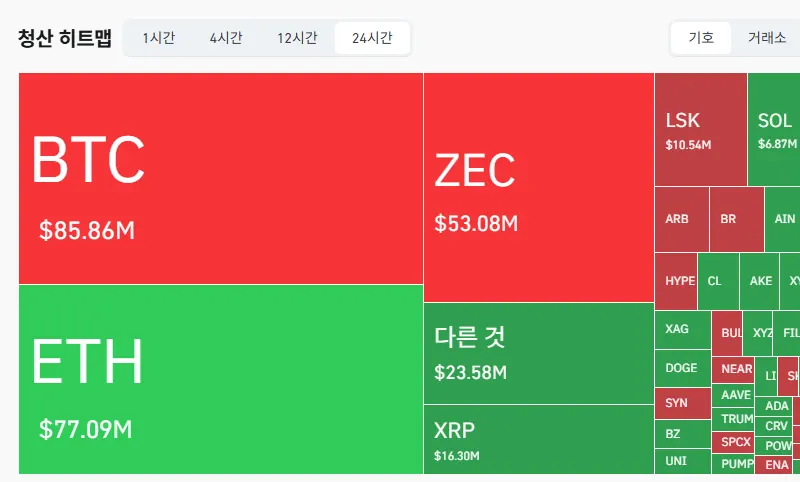
$261.73 million liquidated in 24 hours, 54.46% shorts
Why it matters: The predominance of short liquidations amid a falling BTC price points to a rebound and pressure on sellers.
Market sees 45% chance of Fed rate hike in October
Why it matters: Uncertainty over the Fed rate remains a key driver of volatility for bitcoin and risk assets.

Hyundai Card plans to scale Avalanche payments after pilot
Why it matters: A successful pilot by a major automaker could accelerate stablecoin adoption in corporate settlements and boost demand for the Avalanche network.