Crypto news today
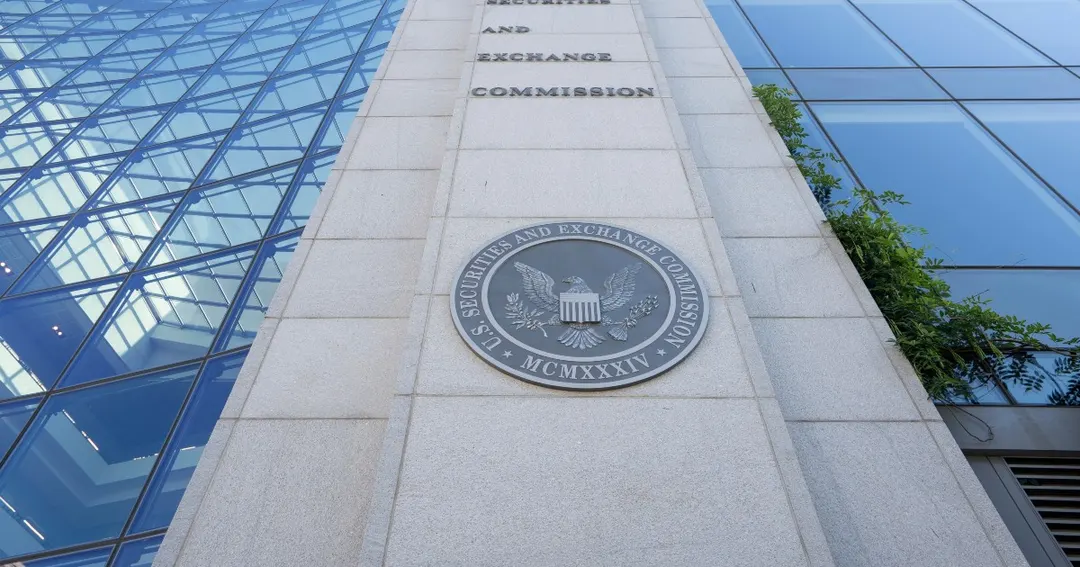
SEC and CFTC chiefs say they will push regulation after CLARITY Act failure
Why it matters: Crypto rules will be written not by Congress but by the SEC and CFTC — this will speed up regulation but increase the risk of legal disputes.

After CLARITY Act failure, banks and exchanges look to SEC for rules
Why it matters: The shift of regulation toward the SEC will determine the rules for listing, custody and token operations for the entire industry.

CRV drops 13% as on-chain volume hits $167.9M
Why it matters: The short overhang and sparse liquidation clusters below the price set up conditions for a CRV rebound if the broader market backdrop improves.

INJ falls 10.2% after CLARITY Act fails and $637M in liquidations
Why it matters: INJ is losing momentum along with the broader market; holding the $5.26 zone will determine whether the rebound continues or a deeper correction begins.
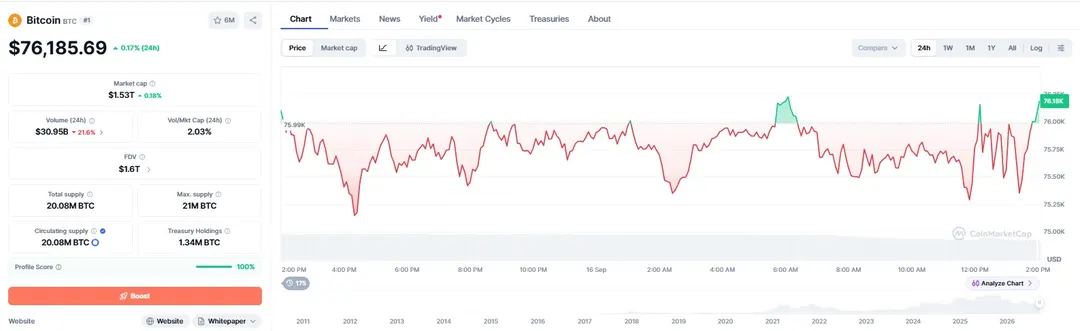
Bitcoin holds $76,000 after Fed's first rate hike in three years
Why it matters: The Fed's next moves and U.S. inflation will determine whether bitcoin holds near $76,000 or slides toward recent lows as Treasury yields rise above 5%.

Smishing campaign posing as crypto wallet update hits 260,000 people
Why it matters: Mass phishing campaigns disguised as wallet updates threaten users' funds and require verifying the source of any links.

Bitcoin tests $75,000 as Supertrend flips bearish
Why it matters: A break of $75,000 would open the way to $74,600 and the $70,300–71,900 moving-average zone, while a return above $78,600 would refocus attention on $80,000.

Tom Lee: market could rally sharply regardless of Fed decision
Why it matters: Lower long-end yields would support bitcoin, Ethereum and inflows into spot ETFs, as well as exchange and DeFi volumes.

Trump criticizes Fed, says rates should be below 1%
Why it matters: Political pressure on the Fed could influence rate expectations and the volatility of bitcoin and risk assets.

Chainlink and Trex Network to widen access to data streams for traders
Why it matters: Wider access to Chainlink data could attract institutional traders and boost market liquidity.

COTI launches Privacy-on-Demand and Privacy Portal on Avalanche
Why it matters: Private transactions on a public blockchain open up use cases for payroll, DeFi and RWA, but could increase regulatory pressure on privacy solutions.

Garlinghouse: after CLARITY Act failure, optimism persists via SEC and CFTC
Why it matters: The shift of US crypto regulation toward agency rules from the SEC and CFTC will determine market conditions without new legislation.

Filecoin launches warm storage to support AI agents
Why it matters: The development of infrastructure for AI agents could boost demand for Filecoin's decentralized storage.
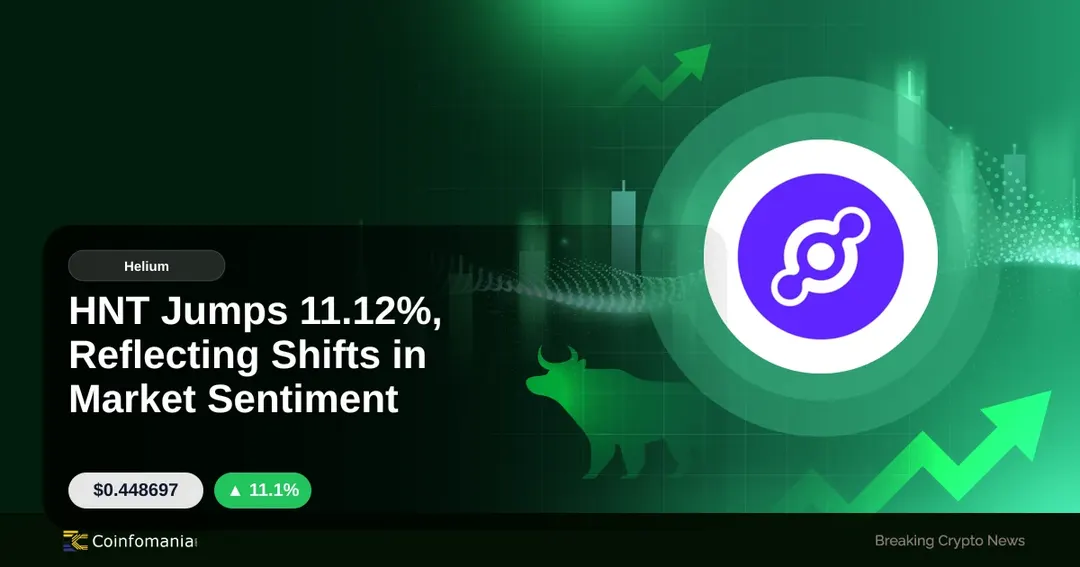
HNT rises 11.12% to $0.4487 in an hour
Why it matters: The gain comes amid mixed market signals; the nearest resistance is $0.4487, with support around $0.40.

ERA releases software wallet for its hardware device
Why it matters: The product lowers the barrier to self-custody of crypto, which could intensify competition among hardware wallet makers.
NEAR rises 7.6% after airdrop of 333,333 tokens at $70M TVL
Why it matters: The airdrop with a lock until $3.33 encourages NEAR holding and TVL growth, but the price depends on the Fed's rate decision.
Avalanche Foundation presents AVAX tokenomics framework at Summit 2026
Why it matters: Declining staking rewards risk driving validators away, so the new model will determine how AVAX retains value.

Trump appointees tighten crypto oversight as bill stalls
Why it matters: Tighter oversight without a legislative framework weighs on bitcoin expectations and increases uncertainty for the market.
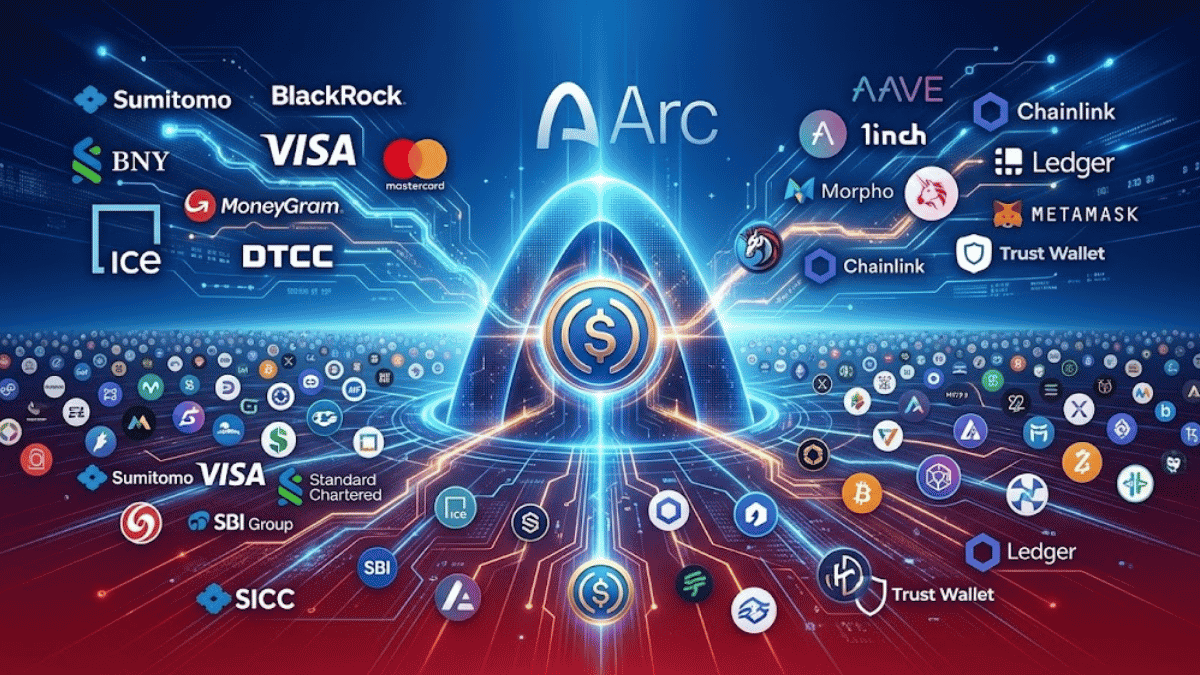
Over 100 companies and protocols join Circle's Arc network
Why it matters: The mass onboarding of participants strengthens the Arc ecosystem and competition for USDC liquidity across L1 networks.

Paid launchpad goes live on Solana with payouts via X Money
Why it matters: Tying fees to X accounts could accelerate the growth of memecoin launchpads on Solana, but questions about licensing and payout scalability remain open.