Crypto news today
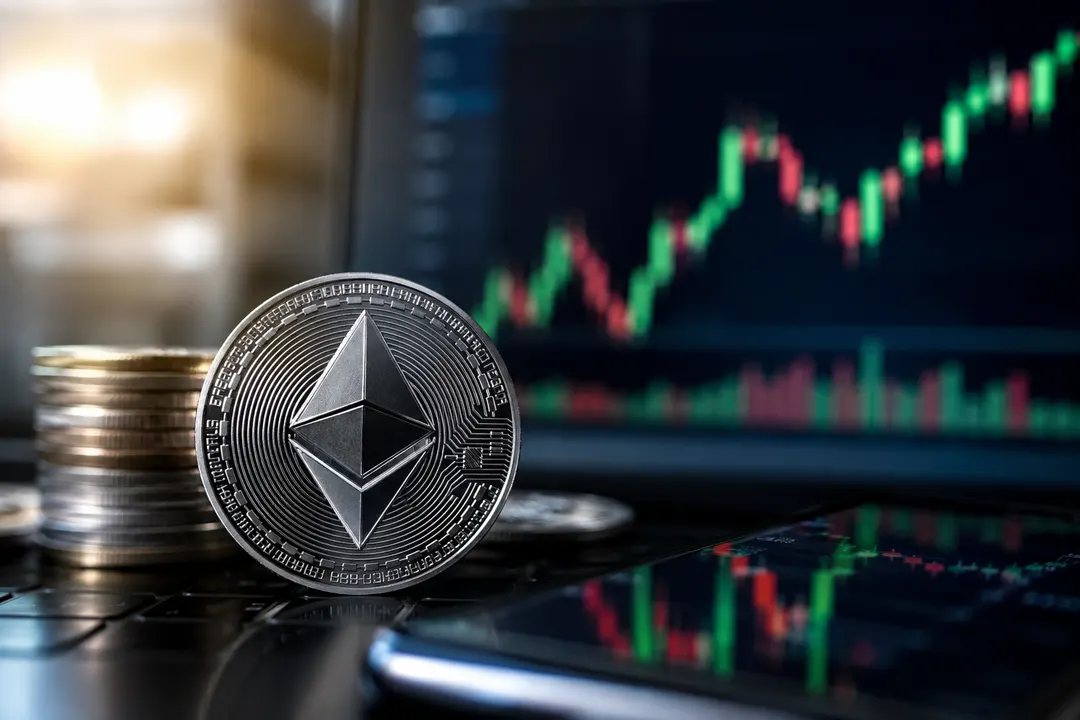
Ethereum holds near $2,400 as BitMine approaches 5% of ETH supply
Why it matters: Corporate ETH accumulation and infrastructure upgrades support the price, but a break above $2,500 is needed for a reversal.

USD.AI launches USDai and sUSDai stablecoins on Circle's Arc network
Why it matters: It expands the link between DeFi lending and AI infrastructure financing, strengthening Circle's Arc ecosystem.
India to respond to crypto regulation recommendations next week
Why it matters: The government's response will determine the direction of crypto regulation in one of Asia's largest economies and could affect local exchanges and investors.
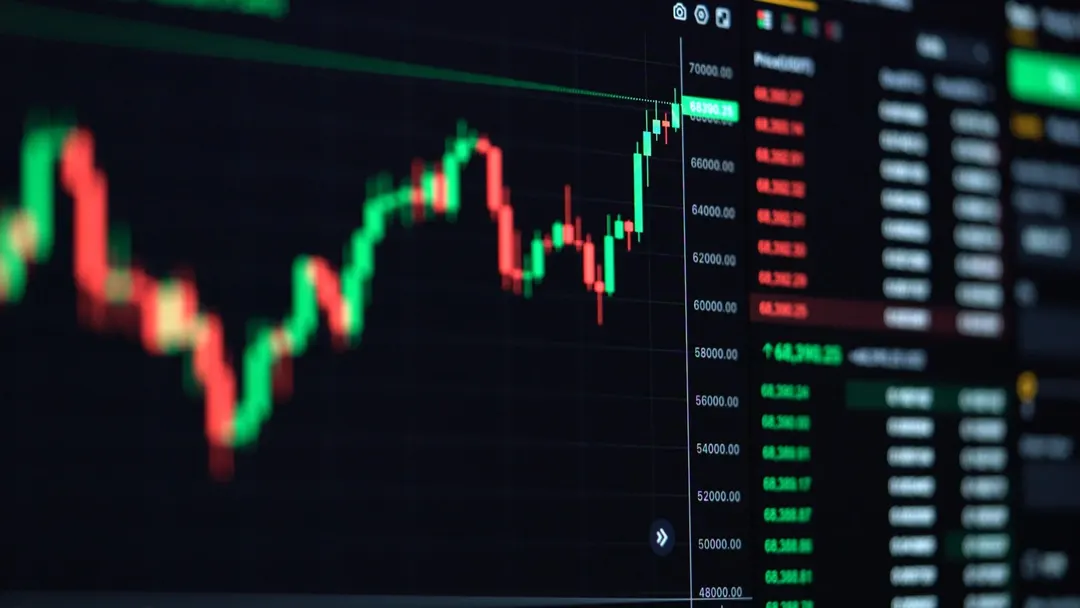
Zcash jumps 23% to $1,369 on Paradigm backing and network upgrade vote
Why it matters: Institutional backing and the network upgrade strengthen Zcash's position as the largest privacy coin amid a broader market recovery.

Trader closes ETH and SOL longs with $1.89M profit in 30 days
Why it matters: Large traders are again building BTC, ETH and SOL longs, which may signal a bet on continued upside.

Operator of $35.6M Ponzi scheme sentenced to 11 years in prison
Why it matters: The case highlights the risks of fraud disguised as investment and the poor recovery of funds for victims.
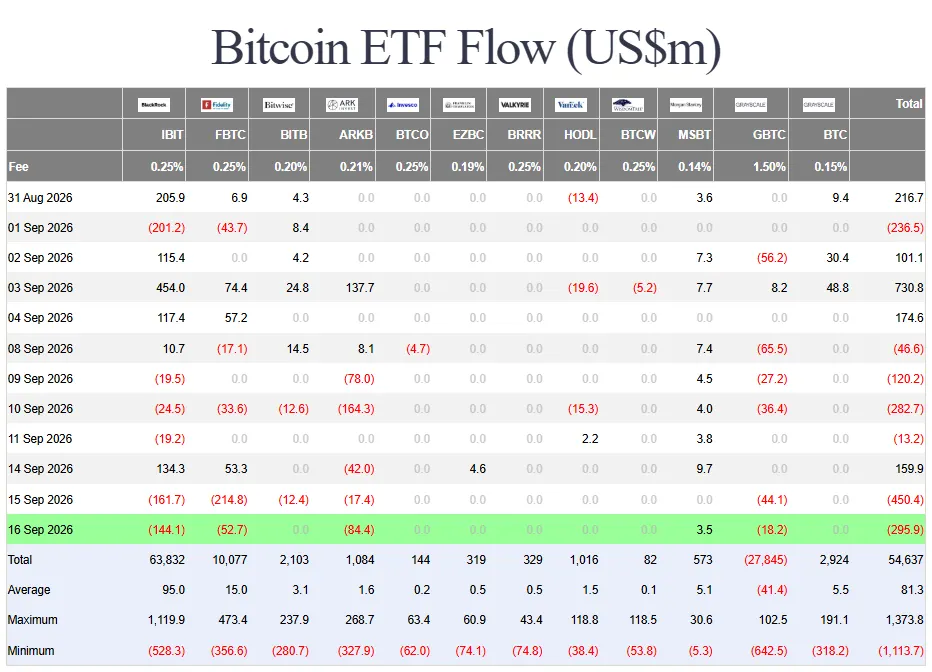
$519M pulled from crypto ETFs in a day: BTC and ETH fall, SOL gains
Why it matters: A second wave of outflows from BTC and ETH ETFs signals weak institutional demand after the failure of the CLARITY Act and a hawkish FOMC.
Markets recover after Fed rate hike; Goldman Sachs expects another in October
Why it matters: Expectations of another rate hike limit risk appetite, but bitcoin holding near $76,000 points to resilient demand.
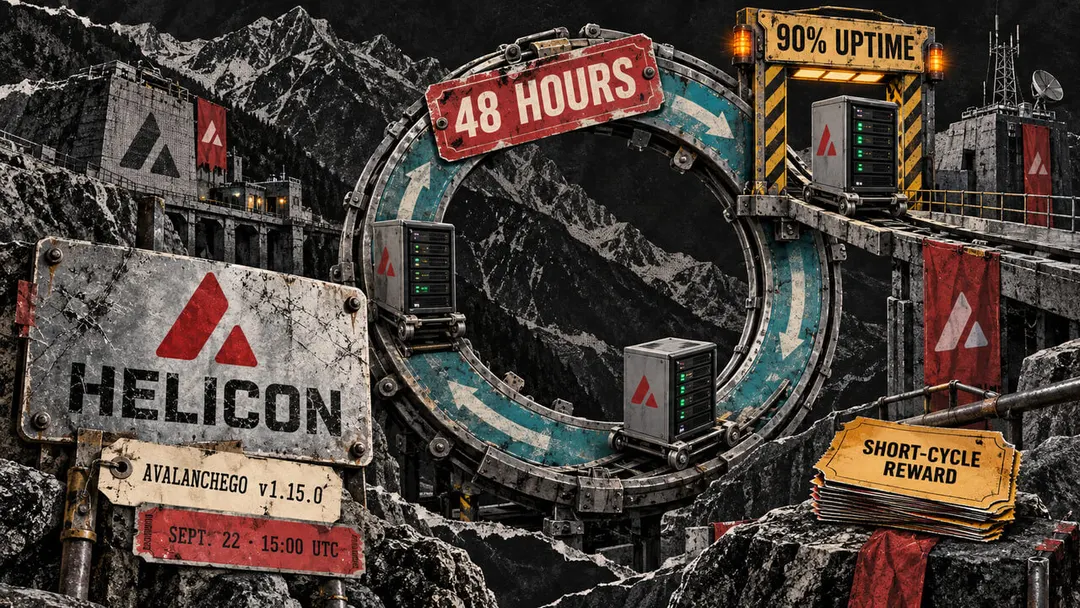
Avalanche to cut validator lockup from 14 days to 48 hours
Why it matters: Shorter cycles lower the entry barrier for validators but require more stable operation and offer lower short-term yields.
Ethereum holds near $2,440 after Fed rate hike, range below $2,500
Why it matters: Holding $2,350 preserves the consolidation structure; a break above $2,500 would open the way to $2,600 and $3,000, while losing support would target $2,250.

US House committees approve bitcoin reserve and crypto tax bills
Why it matters: The bills advance US crypto regulation around the CLARITY Act, reducing uncertainty for institutions.
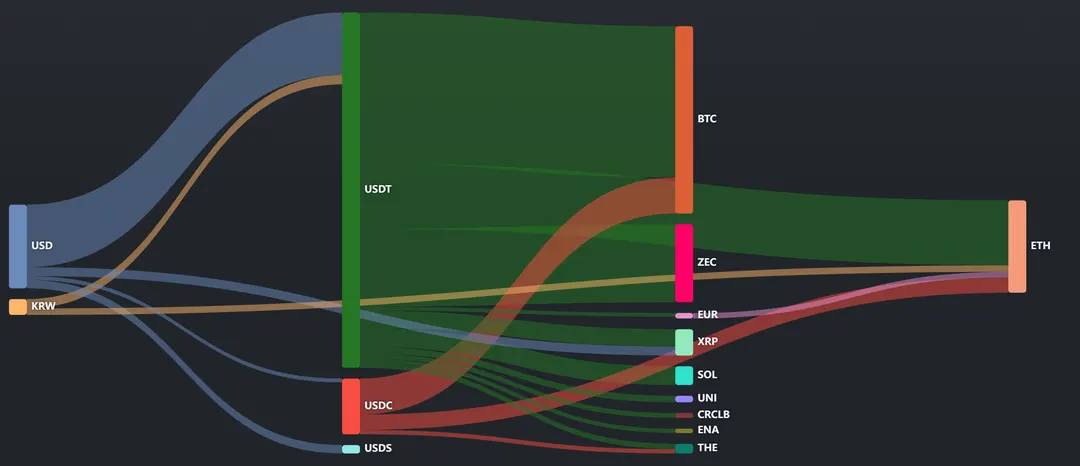
Crypto inflows hit $48.5M in 5 hours, with BTC leading and U second in outflows
Why it matters: Flow data shows where capital is moving within the market and which assets are losing support.
Upbit lists JPYC stablecoin with first Korean won pair
Why it matters: A new demand channel from Korea could halt the contraction in JPYC issuance and accelerate the stablecoin's minting.
CORE jumps 8.98% in 5 minutes to $0.5245
Why it matters: The sharp move on extremely low volume makes it fragile: a break above $0.54 would extend gains, while losing $0.50 risks a pullback.

Analyst: bitcoin bear market may end in 20 days
Why it matters: The forecast relies only on time cycles without price confirmation, so traders should wait for market signals rather than dates.
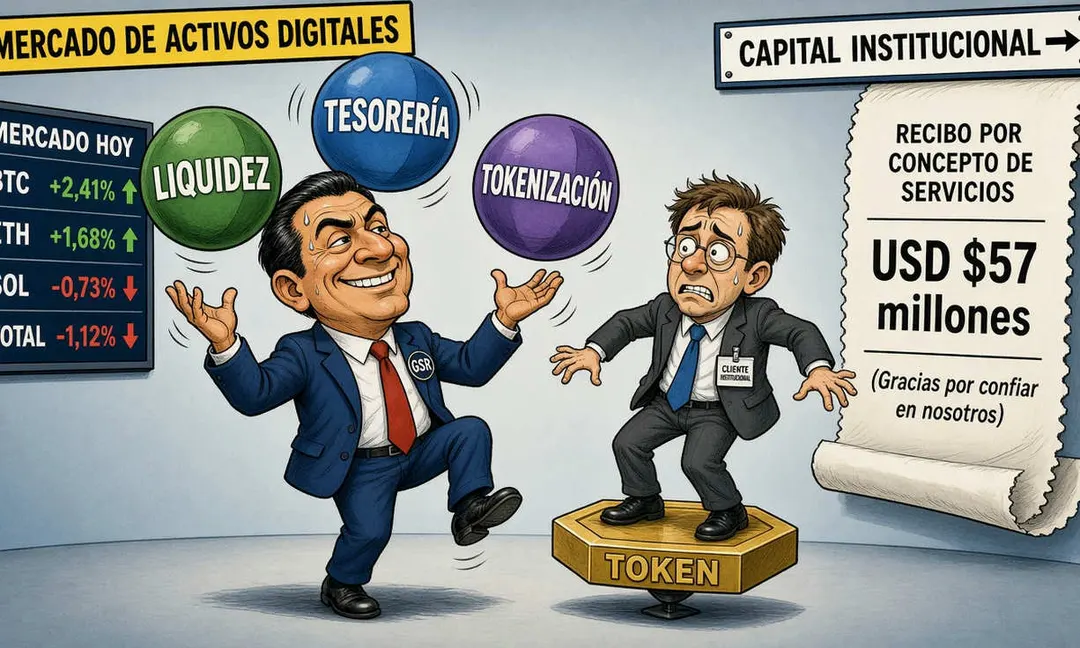
GSR expands beyond market making with $57M acquisitions and tokenization bet
Why it matters: A major market maker is becoming a full-service institutional provider, intensifying competition for capital and tokenized assets.

PI falls 4.29%, now 96% below its all-time high
Why it matters: The token is in a sustained downtrend without a news catalyst, and rising volume on the decline confirms seller pressure.

Fed hikes rates to 4%, Arc launches mainnet, market cap rises to $2.7T
Why it matters: The first tightening in three years sets the market's tone, while the Arc launch with major institutions strengthens USDC tokenization.

Dunamu (Upbit) signs digital finance MOU with Alatau City in Kazakhstan
Why it matters: A major Asian exchange is entering the Central Asian market through tokenization and stablecoins, which could accelerate institutional adoption in the region.
Zcash proposal would burn fees and direct them to miners under NU7
Why it matters: The mechanism addresses the decline in block subsidies and reduces the network's security dependence on volatile fees.