Crypto news today
CORE jumps 8.98% in 5 minutes to $0.5245
Why it matters: The sharp move on extremely low volume makes it fragile: a break above $0.54 would extend gains, while losing $0.50 risks a pullback.

Analyst: bitcoin bear market may end in 20 days
Why it matters: The forecast relies only on time cycles without price confirmation, so traders should wait for market signals rather than dates.
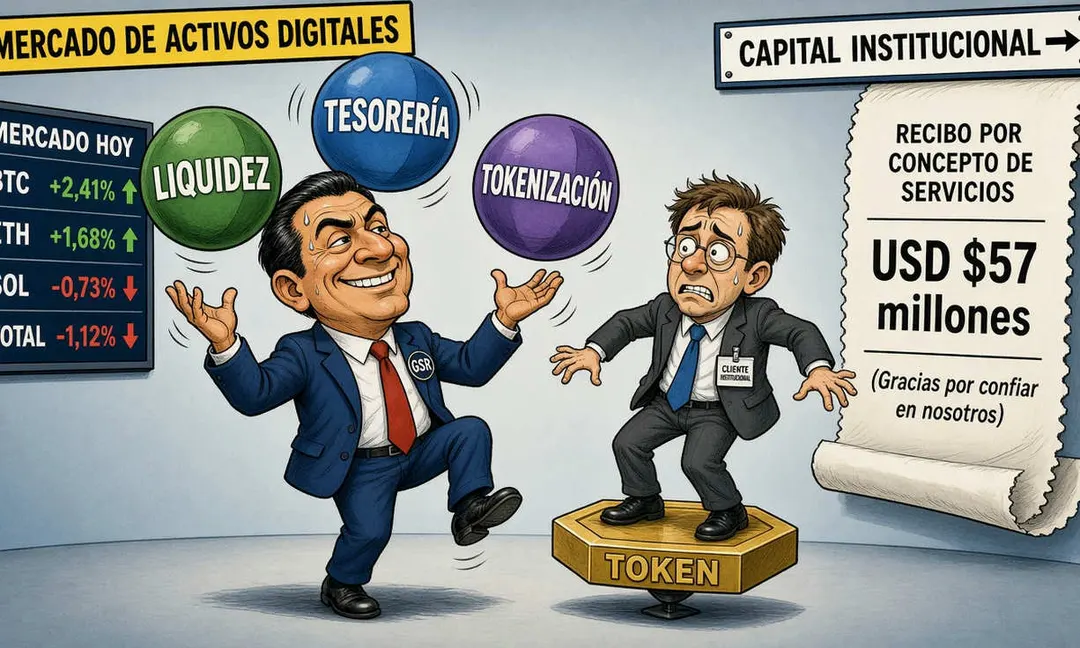
GSR expands beyond market making with $57M acquisitions and tokenization bet
Why it matters: A major market maker is becoming a full-service institutional provider, intensifying competition for capital and tokenized assets.
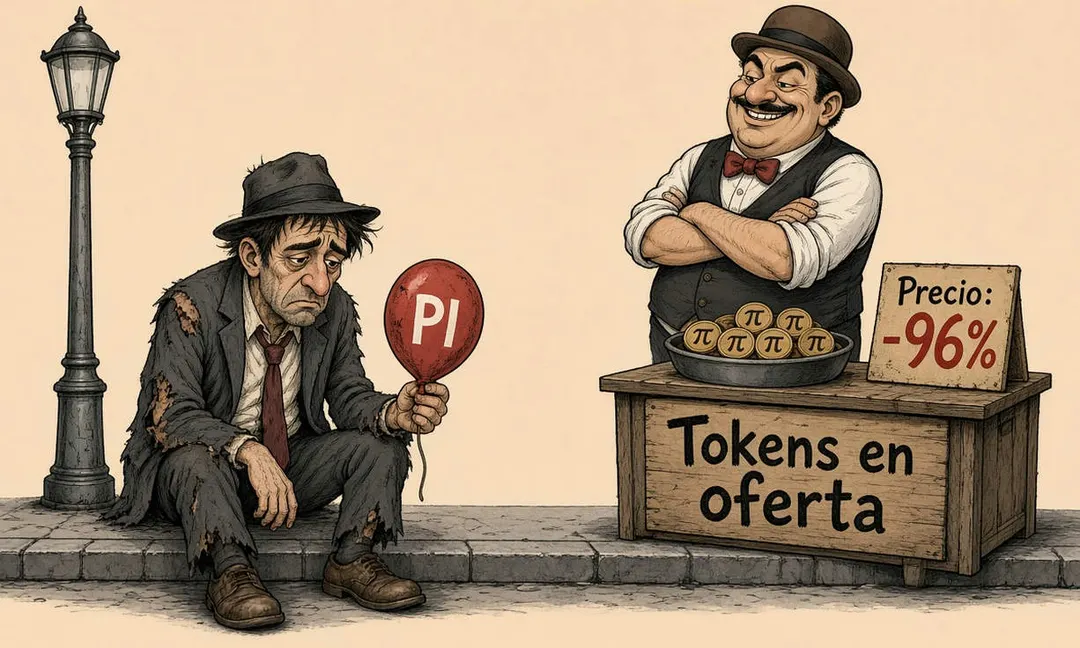
PI falls 4.29%, now 96% below its all-time high
Why it matters: The token is in a sustained downtrend without a news catalyst, and rising volume on the decline confirms seller pressure.

Fed hikes rates to 4%, Arc launches mainnet, market cap rises to $2.7T
Why it matters: The first tightening in three years sets the market's tone, while the Arc launch with major institutions strengthens USDC tokenization.

Dunamu (Upbit) signs digital finance MOU with Alatau City in Kazakhstan
Why it matters: A major Asian exchange is entering the Central Asian market through tokenization and stablecoins, which could accelerate institutional adoption in the region.
Zcash proposal would burn fees and direct them to miners under NU7
Why it matters: The mechanism addresses the decline in block subsidies and reduces the network's security dependence on volatile fees.
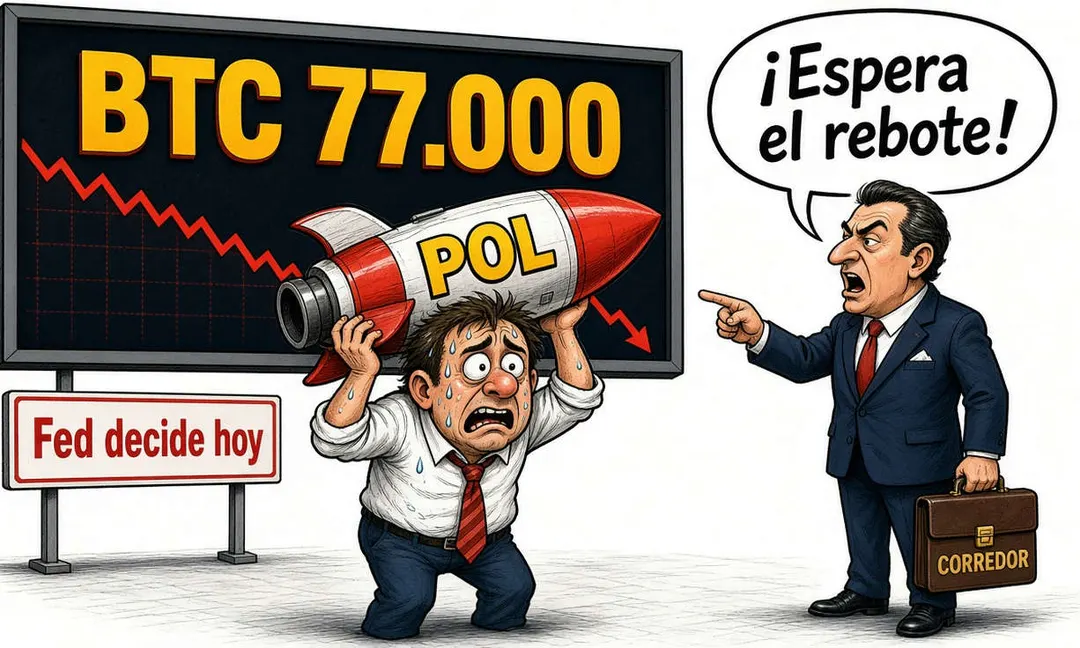
POL rebounds 5.4% to $0.0968 on volume 67% above average
Why it matters: The rebound looks technical: without its own catalysts, Polygon depends on the macro backdrop and Fed decisions.
Meme coin MUSEBOOK jumps 260%, market cap reaches $16.76 million
Why it matters: The meme coin's rally around the AI platform MuseBook shows speculative demand for tokens tied to AI agents and tokenized stocks.

Binance releases 46th Proof of Reserves report: BTC balances up 3.92%
Why it matters: Rising BTC and ETH balances point to an inflow of assets to the largest exchange, while the USDT outflow may signal lower trading activity.
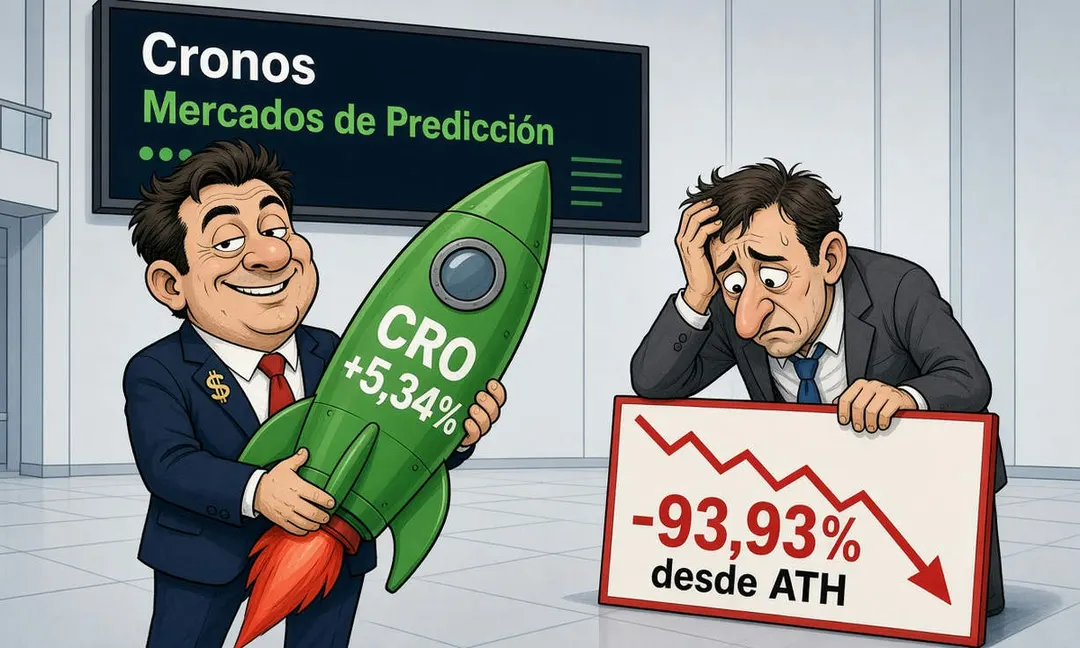
CRO rises 5.34% to $0.0587 on prediction markets launch in Cronos app
Why it matters: The rebound without volume confirmation may prove technical: CRO needs to reclaim its 200-day SMA at $0.0635 to change the trend.
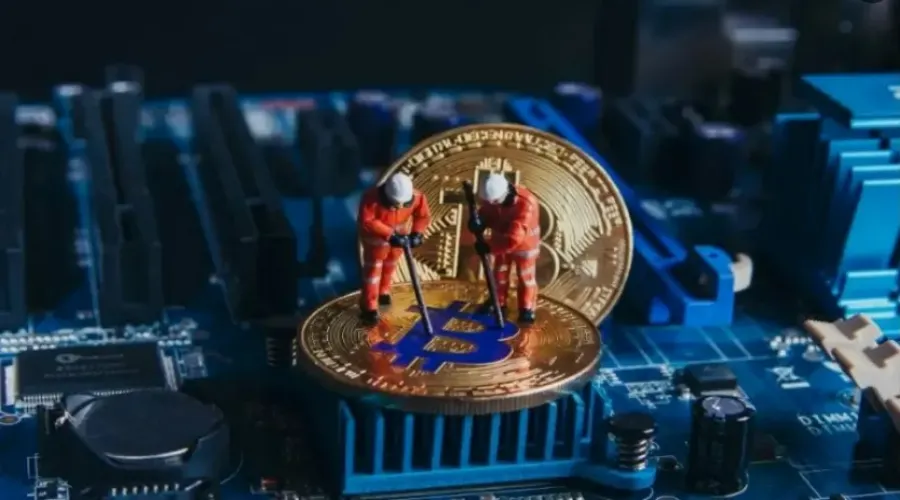
CoinShares: Bitcoin miners fall below breakeven for the first time
Why it matters: Pressure on miner margins is accelerating their shift toward AI infrastructure, which could weaken Bitcoin hashrate growth.

ONDO rebounds 6.35% to $0.349 after DTCC Fund/SERV entry
Why it matters: The DTCC integration validates the institutional RWA tokenization model, but the technical picture remains weak until a breakout above $0.355.

JUP falls 10% after losing $0.24 support, capital flows turn negative
Why it matters: Jupiter is a key trading router in Solana, and its weakness signals declining activity in the ecosystem.
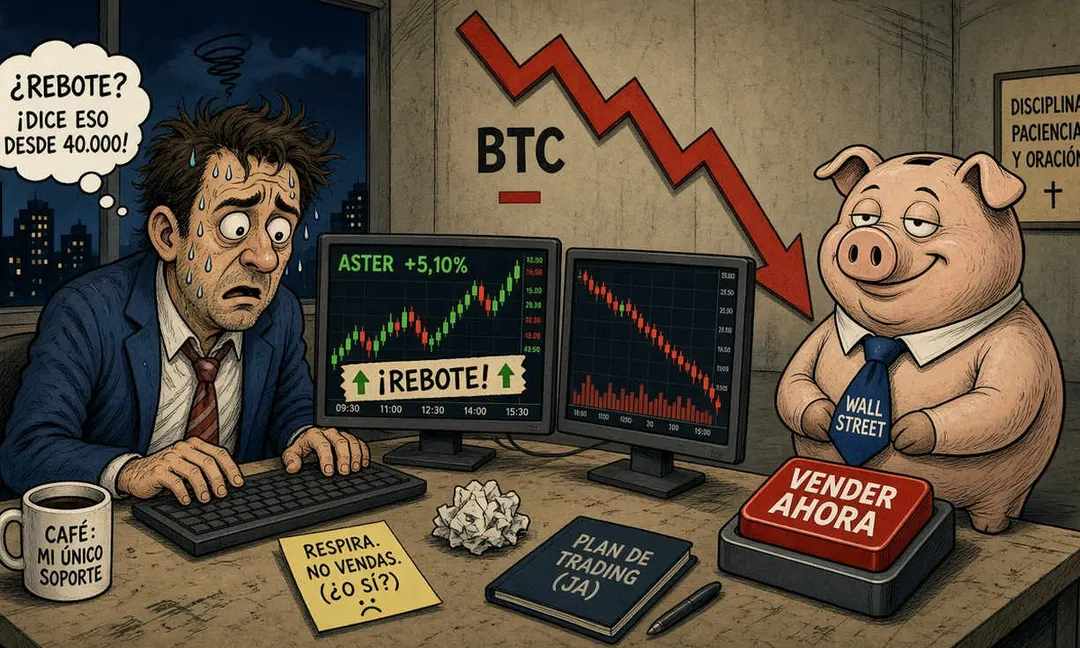
ASTER rises 5.1% to $0.726 despite market correction
Why it matters: The delayed unlock of 5% of supply reduces selling pressure, but weekly unlocks of $75.36 million and weak volume leave room for a pullback.

DRV jumps 40% after V3 upgrade plan announcement
Why it matters: The rally is supported by buybacks and staking, but DRV is testing the $0.19–0.20 resistance for the fourth time — a breakout will determine the next trend.
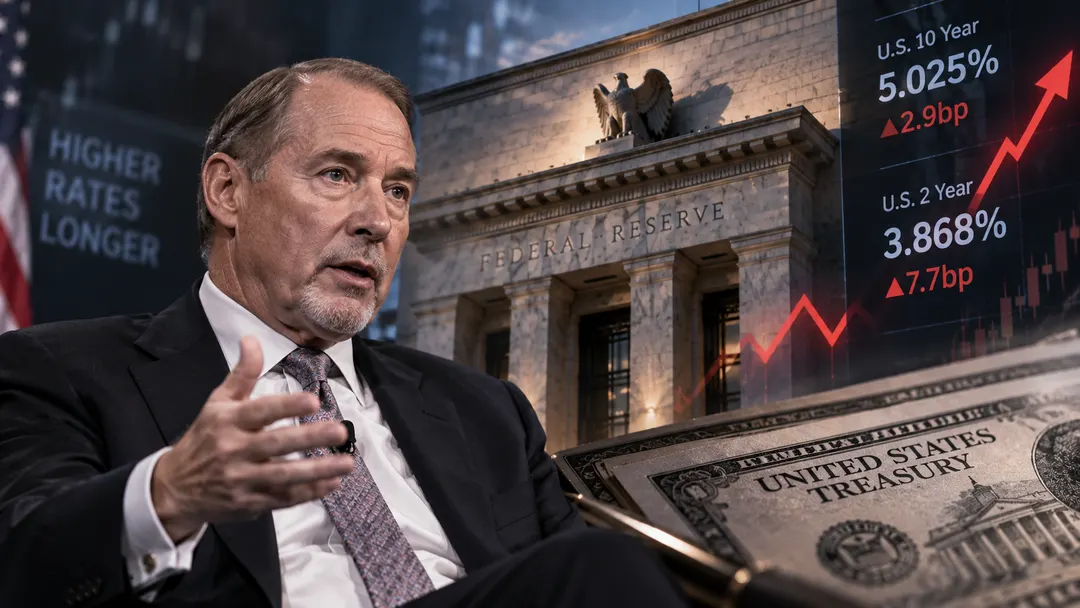
Gundlach: Fed should have hiked by 0.5 pp, inflation risk underestimated
Why it matters: The signal of potentially more aggressive Fed tightening weighs on risk assets, including bitcoin and the crypto market.
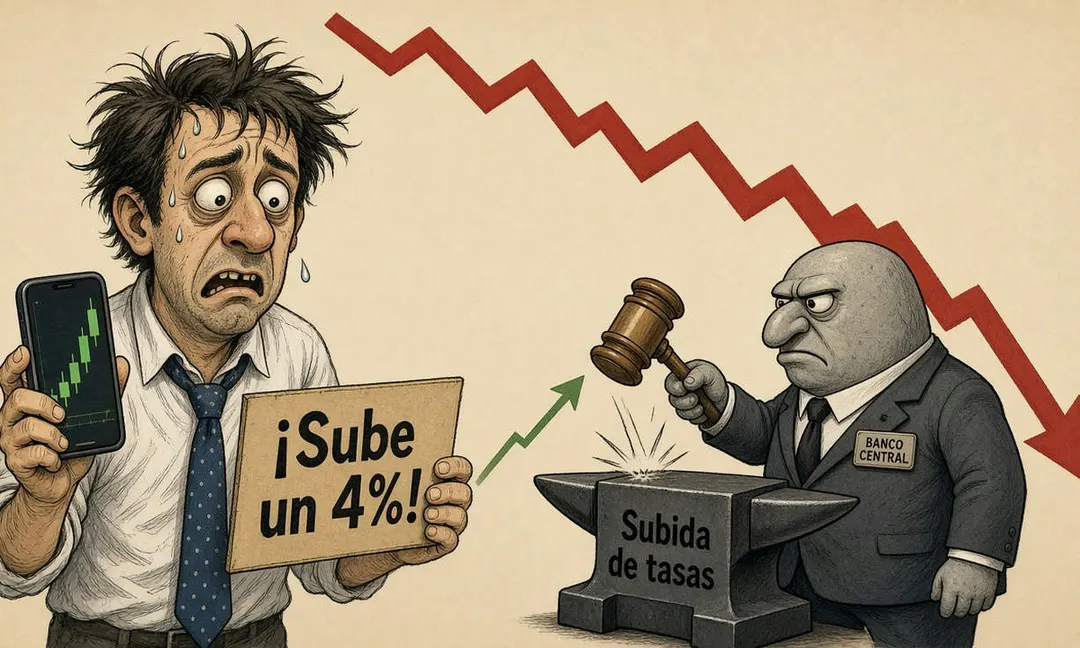
PUMP rises 4.17% to $0.0038 after Fed rate hike
Why it matters: The memecoin's bounce against a hawkish Fed looks technical: without rising volume, it is unlikely to turn into a sustained trend.
Bitfinex: altcoins give back gains, bitcoin weaker than gold and stocks
Why it matters: The altcoin rally is driven by leverage rather than spot demand: without sustained buying, the market remains vulnerable to further declines.
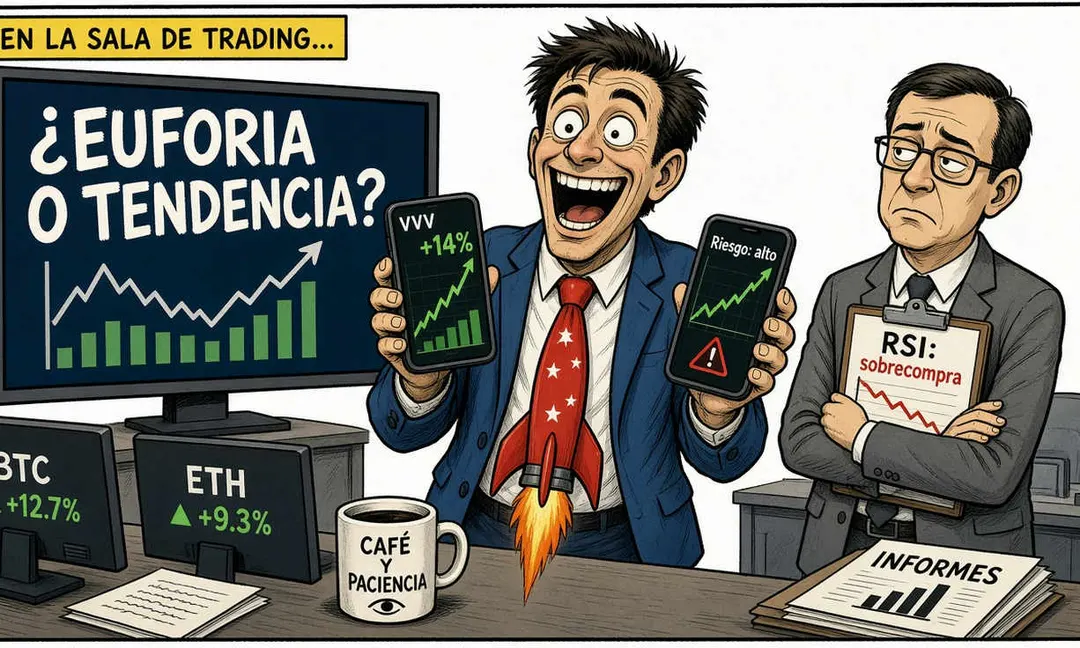
Venice Token rises 14% to $25.18, approaching all-time high
Why it matters: The rally has no confirmed news catalyst — it is driven by the private AI inference narrative and speculative flows, raising the risk of a correction near the highs.