Crypto news today

Hong Kong to allow stablecoin and tokenized asset trading
Why it matters: Hong Kong is expanding regulated infrastructure for stablecoins and RWAs, intensifying competition for institutional crypto capital in Asia.

Block Scholes: Bitcoin and Ethereum IV around 38-39% and 52-54% ahead of FOMC
Why it matters: Low and flat IV ahead of the FOMC points to a lack of explicit hedging, raising the risk of a sharp move on a rate surprise.

UK to split payments and lending in stablecoin rules from 2027
Why it matters: The UK is setting a model of split stablecoin regulation that will determine issuers' and exchanges' access to the UK market.
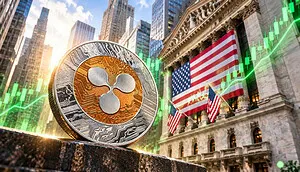
Evernorth: Wall Street isn't waiting, it's already deploying XRP infrastructure
Why it matters: RLUSD's growing share and Evernorth's Nasdaq plans show that XRP's institutional infrastructure is developing independently of the CLARITY Act's fate.

India's government comes out against crypto regulation
Why it matters: India is one of the largest crypto markets; the absence of regulation keeps pressure on local exchanges and investors.
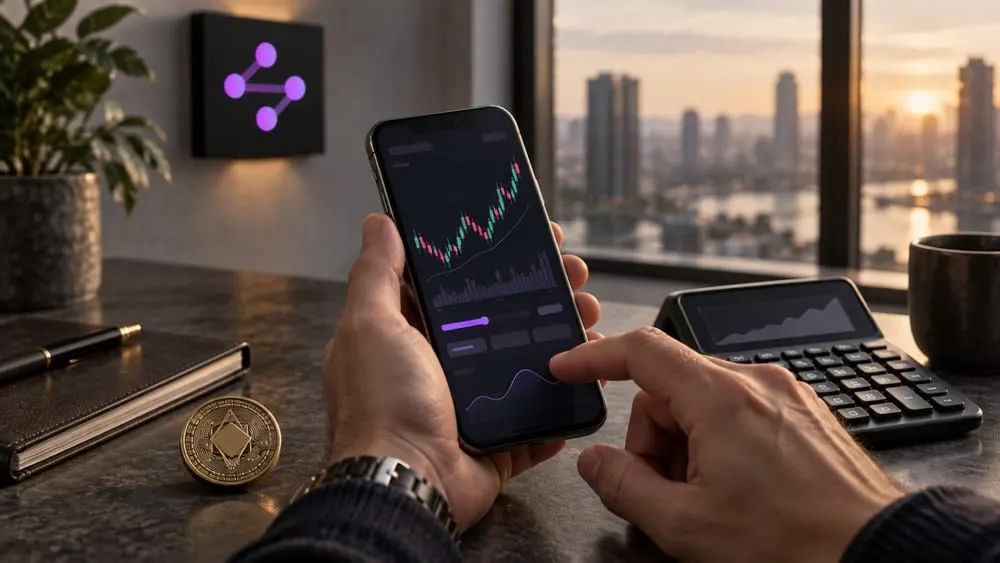
Trader buys 3.25 million SYN on Aster DEX with 4x leverage, earns $304K
Why it matters: SYN's more than doubling drew in leveraged speculative capital, raising the risk of a sharp correction if the trend reverses.
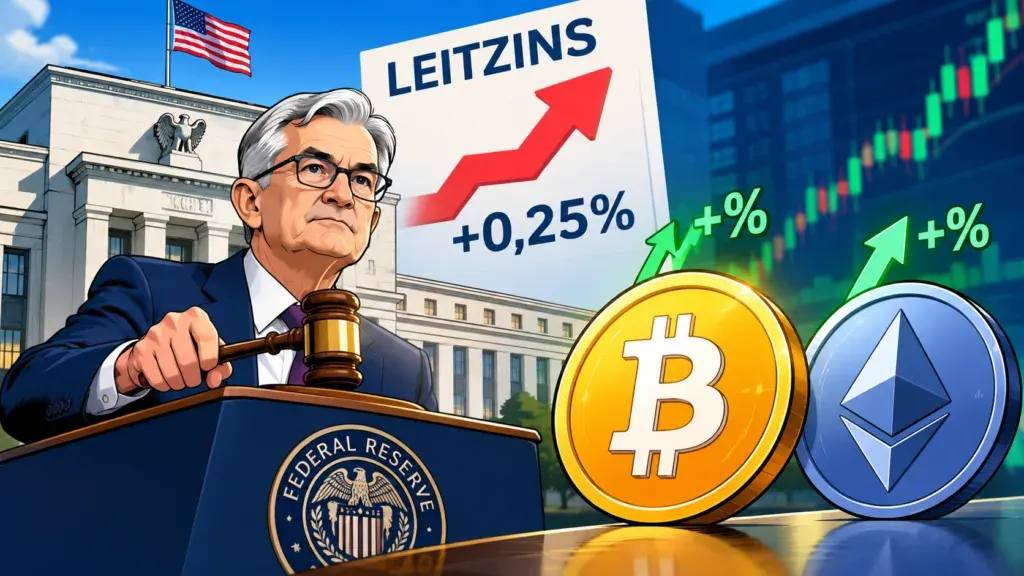
Bitcoin and Ethereum rise after Fed rate hike, Deutsche Bank to enter crypto custody
Why it matters: Deutsche Bank's entry into crypto custody strengthens institutional infrastructure, while BTC and ETH holding up after Fed tightening reduces the risk of further selling.
Binance AI tool tops 280,000 queries per day
Why it matters: Growing user engagement could affect trading volumes and set a standard for other exchanges.

Bitcoin at $76,440: whale positions and options strikes converge in narrow range
Why it matters: The convergence of whale, options and liquidation levels makes the $76,000-$77,750 range a zone of heightened volatility after the Fed decision.

Whale buys 5,368 ETH for $13 million at average price of $2,422
Why it matters: Large whale purchases can signal accumulation and support retail interest in ETH.

Swiss Bitcoin Pay shuts down servers after customer data breach
Why it matters: The leak of IBANs and transaction history opens the door to targeted phishing attacks on the service's customers.
Base DeFi TVL hits all-time high of $5.7 billion
Why it matters: The TVL growth confirms Base's strengthening position among L2s, raising expectations for a possible network token launch.
Analyst Lark Davis names bitcoin support levels at $73,000 and $67,000
Why it matters: The $73,000 and $67,000 levels are reference points for traders if BTC extends its decline amid tight Fed policy.

Bitcoin pinned between $71,300 and $79,800 by on-chain cost basis
Why it matters: Cost-basis levels define demand and supply zones: a break above $79,800 would open the way up, while losing $71,300 would intensify selling pressure.
Ethereum holds near $2,400 as BitMine approaches 5% of ETH supply
Why it matters: Corporate ETH accumulation and infrastructure upgrades support the price, but a break above $2,500 is needed for a reversal.

USD.AI launches USDai and sUSDai stablecoins on Circle's Arc network
Why it matters: It expands the link between DeFi lending and AI infrastructure financing, strengthening Circle's Arc ecosystem.

India to respond to crypto regulation recommendations next week
Why it matters: The government's response will determine the direction of crypto regulation in one of Asia's largest economies and could affect local exchanges and investors.
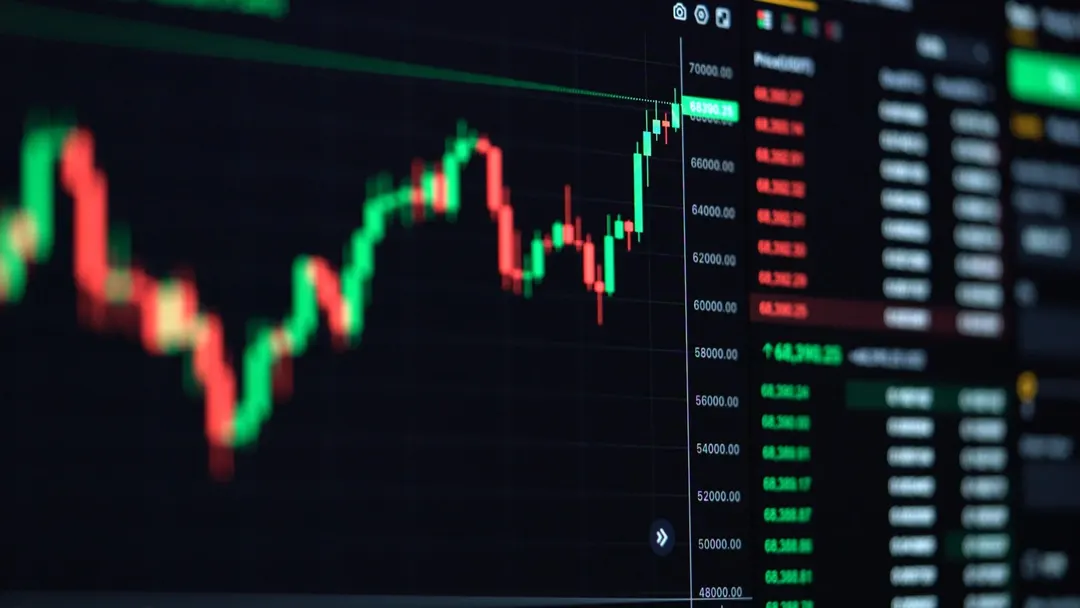
Zcash jumps 23% to $1,369 on Paradigm backing and network upgrade vote
Why it matters: Institutional backing and the network upgrade strengthen Zcash's position as the largest privacy coin amid a broader market recovery.

Trader closes ETH and SOL longs with $1.89M profit in 30 days
Why it matters: Large traders are again building BTC, ETH and SOL longs, which may signal a bet on continued upside.
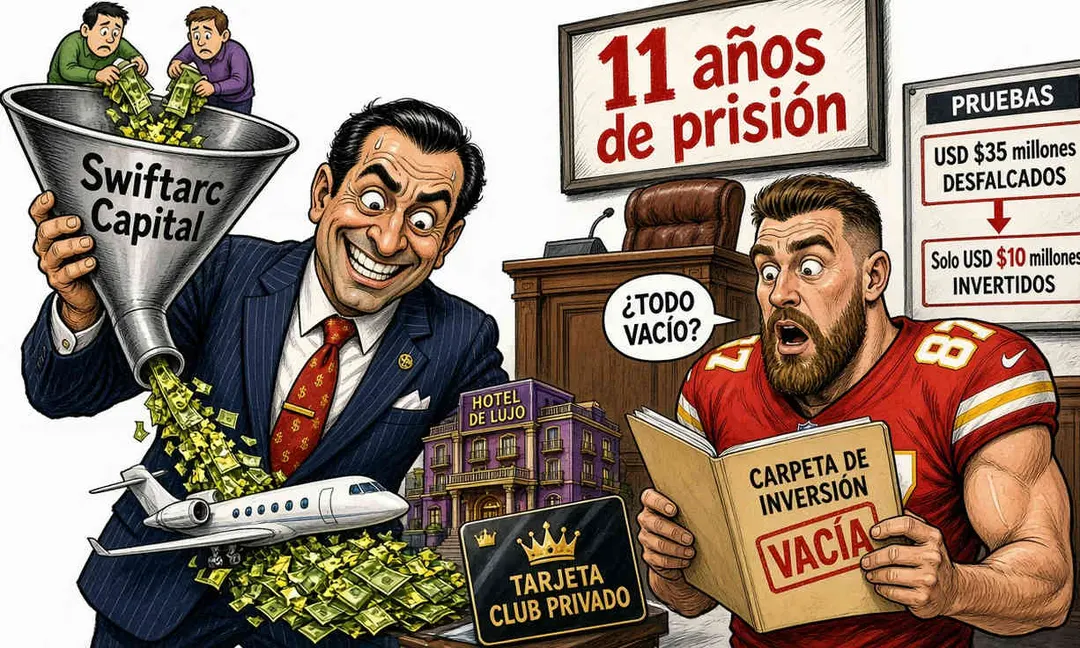
Operator of $35.6M Ponzi scheme sentenced to 11 years in prison
Why it matters: The case highlights the risks of fraud disguised as investment and the poor recovery of funds for victims.