Crypto news today
Whale Alert: 999 BTC worth $77.47M moved from Kraken to Coinbase
Why it matters: Large transfers to exchanges often precede rising volumes and volatility, which matters for derivatives traders.
Ethereum developers fear Glamsterdam test failure on Sepolia on October 6
Why it matters: A test failure could delay the activation of Glamsterdam on the Ethereum mainnet and the shift to a protocol-level builder market.

CLARITY Act failure does not sink bitcoin
Why it matters: The failure of the CLARITY Act removes some regulatory uncertainty, but BTC's resilience points to a limited impact from legislative delays.

Analysts: bitcoin rises without CLARITY Act, key factors are the Fed rate and ETF flows
Why it matters: Bitcoin's institutional infrastructure is already in place, so further growth depends on the Fed rate and ETF inflows rather than legislation.

JPMorgan: bitcoin ETF demand has recovered only halfway versus gold
Why it matters: Positioning in bitcoin remains more cautious than in gold, which offers upside potential if flows reverse.

Pi Network updates KYC and mainnet migration: 417K duplicate accounts resolved
Why it matters: The KYC and migration updates could speed up user onboarding to the mainnet, but PI's technical picture remains bearish.

AllScale launches mobile app with invoicing and stablecoin payments
Why it matters: Expanding stablecoin payments into mobile simplifies settlements for businesses and users.
UNI jumps 170% in a month, from $3.2 to $8.5 on token burns and Robinhood Chain
Why it matters: The UNI burn model ties the token's price to protocol revenue, which could change how DeFi assets are valued and attract institutional capital.

Solana cuts slot time to 250 ms, but throughput does not increase
Why it matters: Fresher data reduces the risk of failed transactions and slippage, but infrastructure load grows: there are more blocks and less time for offline signatures.

Whale moves 1,651.82 BTC worth $126.7 million back to Kraken
Why it matters: Returning a large BTC volume to an exchange may signal preparation to sell and weighs on the price.

VanEck: bitcoin to hit key level by next year amid budget concerns
Why it matters: The forecast from a major asset manager reinforces the narrative of bitcoin as a hedge against U.S. fiscal risks.
Public company bitcoin buying falls from 100,000 to 5,900 BTC in a quarter
Why it matters: Slowing corporate demand and treasury losses weaken bitcoin's support and raise the risk of seller pressure.
Charles Schwab recommends commodities over bonds, bitcoin in focus
Why it matters: A major broker with $13.4 trillion in assets is shifting its emphasis to commodities, which could boost interest in bitcoin as an alternative to bonds.

Bitcoin Japan to buy $1 million of BTC for the first time via subsidiary
Why it matters: Another public company is moving to actual BTC purchases after long promises, supporting corporate treasury demand for bitcoin.
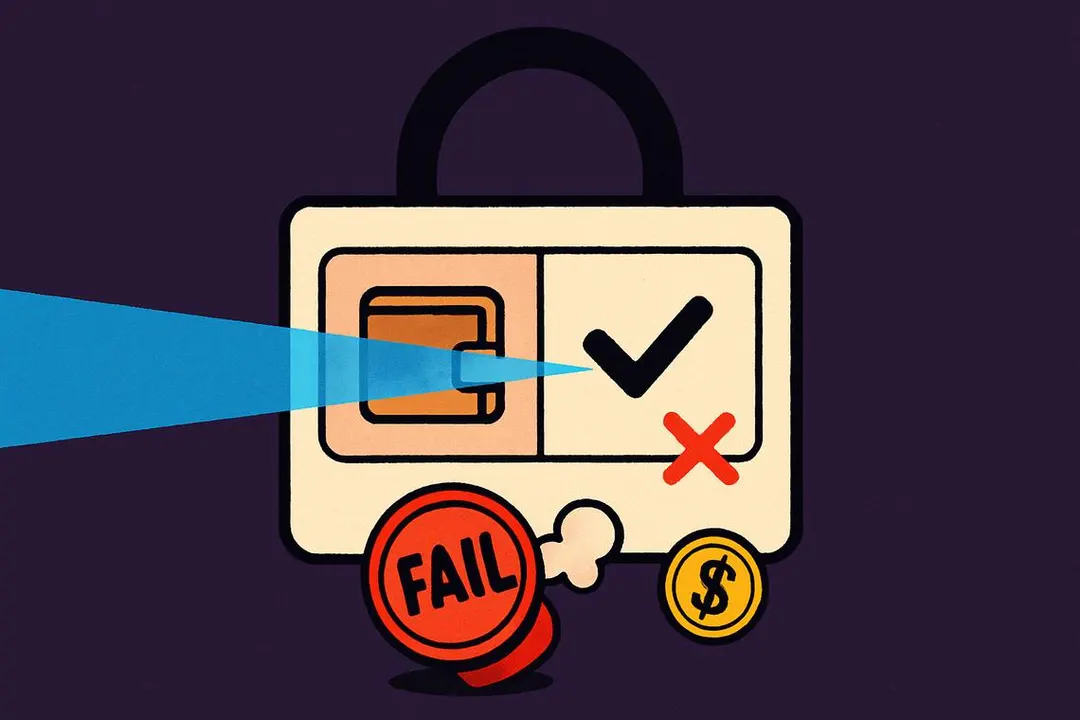
MetaMask Adds Protection: Blocks Transactions When Preview Mismatches
Why it matters: Automatic verification reduces the risk of signing malicious transactions and sets a security standard for other wallets.
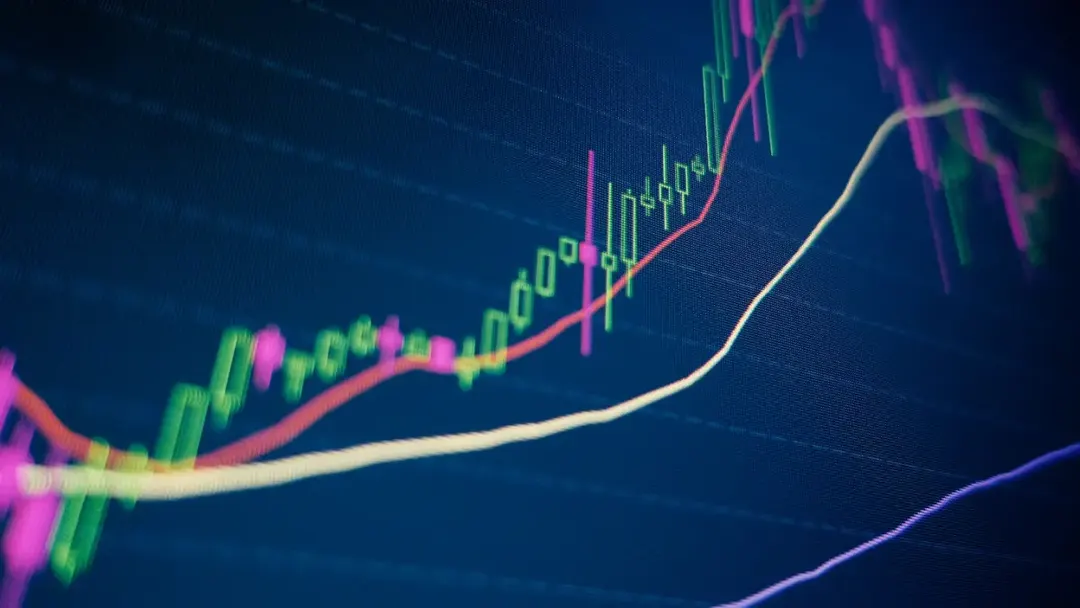
Bitcoin at $77,681: NEAR, UNI and ARB Jump 20–30% After SEC Exclusion
Why it matters: The post-Fed rebound and SEC regulatory easing restored risk appetite; holding $77,000 would open the path to $80,000.

Whale Sells 600K UNI for $5.1M, Sends Another 100K to OKX
Why it matters: Pressure from a large holder on UNI's price could intensify the sell-off if they continue moving tokens to exchanges.

Likwid Exploit: 74.31 BNB Lost Due to Margin Position Vulnerability
Why it matters: Another DeFi exploit highlights the risks of unaudited contracts and could weaken trust in margin protocols.
Global Unichip Hits Record High as AI Chip Demand Squeezes Bitcoin Mining
Why it matters: Pressure from AI demand on chip manufacturing could slow hashrate growth and worsen miners' economics.
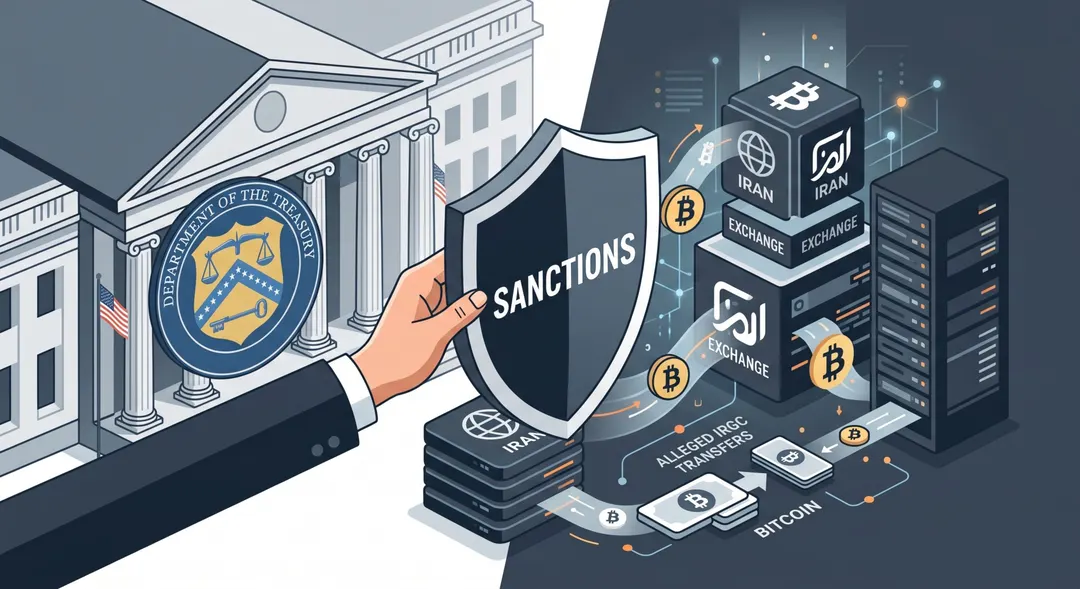
US Sanctions Iranian Exchange BitBank Over Bitcoin Transfers to IRGC
Why it matters: Pressure on Iran's crypto infrastructure is mounting, which could affect the exchange's counterparties and digital asset settlements in the region.