Crypto news today
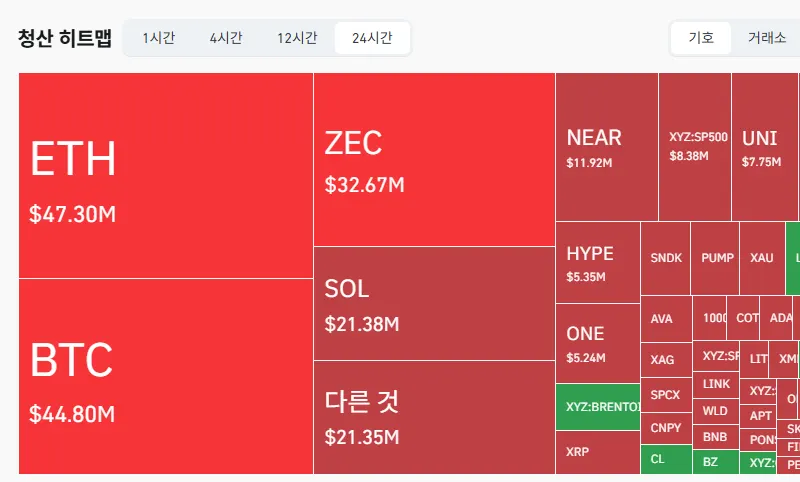
$188M liquidated in 24 hours, with 81% in shorts
Why it matters: Mass short covering amplifies the market rebound after the Fed decision, but raises the risk of a sharp correction if the trend reverses.

Quantus launches post-quantum asset QTC on NEAR Protocol
Why it matters: A growing number of quantum-resistant projects could accelerate the industry's shift to post-quantum cryptography.

Trader earns $1.59M on UNI and LIT longs, with 991% return on UNI
Why it matters: Large unrealized profits on UNI longs reflect the sharp rally in the Uniswap token and elevated risk appetite in the DeFi sector.
Pendle emissions fall 92% year-to-date, buybacks outpace supply 10x
Why it matters: Lower emissions and aggressive buybacks shrink PENDLE supply, which could support the price if demand returns.
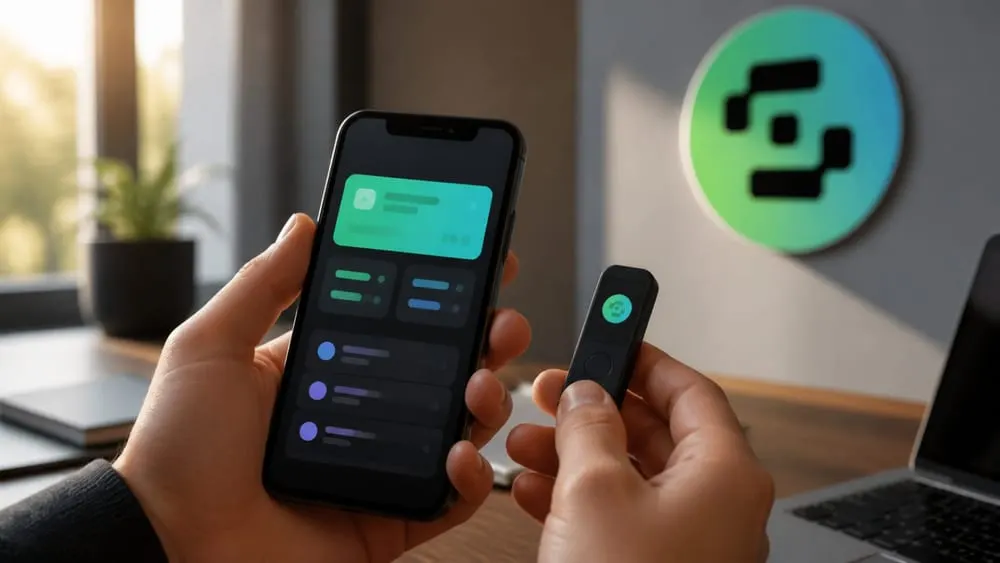
Safe Foundation proposes allocating 7.4M SAFE to back Safenet Aegis
Why it matters: Aegis moves transaction security checks to the execution stage, which could reduce losses for Safe users from malicious signatures.

Analysts: Bybit attack ran through Safe interface, not code
Why it matters: It shows that multisigs and hardware wallets offer no protection if the frontend and signing process are compromised, changing the approach to custodian security.

Hyperliquid launches manual lending against HYPE and BTC collateral
Why it matters: It expands Hyperliquid's lending functionality and demand for HYPE as collateral, intensifying competition with DeFi protocols.

Evernorth discloses $30M convertible notes tied to Armada merger
Why it matters: The deal shows crypto treasury companies raising capital to buy XRP even amid SPAC merger risks and token volatility.

Privy launches onchain corporate treasury management tool
Why it matters: It extends Privy's infrastructure from payments to corporate treasury, intensifying competition in the market for onchain corporate asset management.

11 new wallets sell 602 BTC and buy 18,800 ETH for $45.8M
Why it matters: A large rotation from Bitcoin into Ethereum could signal a shift in large holders' preferences.

Symbiosis loses 9.97 BTC in Bitcoin bridge exploit
Why it matters: The exploit shows that small bridges concentrate disproportionate risk, while compensation and restart timelines remain unconfirmed.
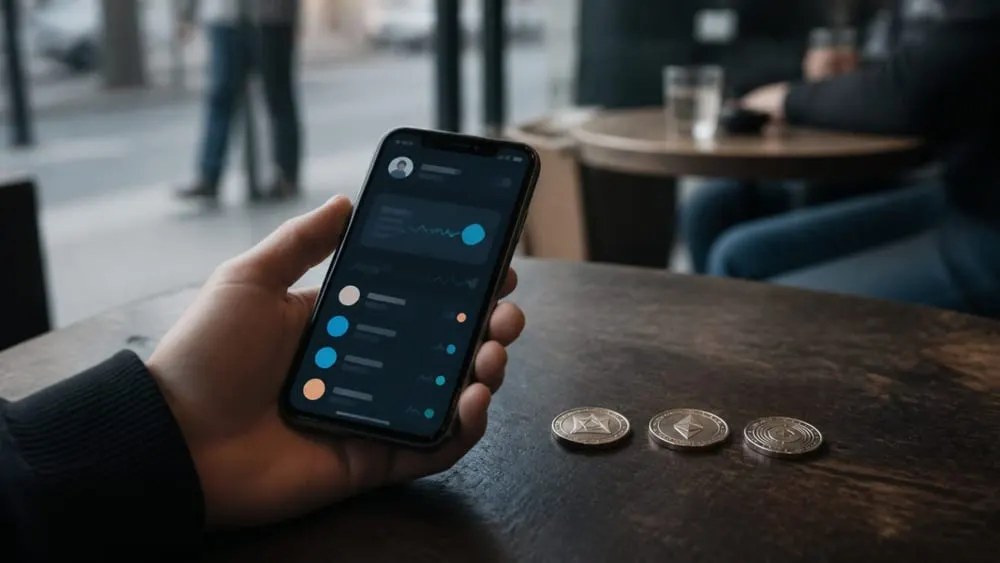
Stablecoins on Robinhood Chain hit $1B, USDG accounts for 67%
Why it matters: The growth of dollar liquidity on the Robinhood network strengthens its position in asset tokenization and DeFi lending.

South Korea parliamentary budget office: crypto tax needs accounting system first
Why it matters: The lack of accounting infrastructure could delay or complicate the launch of the tax, directly affecting Korean investors and exchanges.
Whale Alert: 999 BTC worth $77.47M moved from Kraken to Coinbase
Why it matters: Large transfers to exchanges often precede rising volumes and volatility, which matters for derivatives traders.

Ethereum developers fear Glamsterdam test failure on Sepolia on October 6
Why it matters: A test failure could delay the activation of Glamsterdam on the Ethereum mainnet and the shift to a protocol-level builder market.

CLARITY Act failure does not sink bitcoin
Why it matters: The failure of the CLARITY Act removes some regulatory uncertainty, but BTC's resilience points to a limited impact from legislative delays.

Analysts: bitcoin rises without CLARITY Act, key factors are the Fed rate and ETF flows
Why it matters: Bitcoin's institutional infrastructure is already in place, so further growth depends on the Fed rate and ETF inflows rather than legislation.

JPMorgan: bitcoin ETF demand has recovered only halfway versus gold
Why it matters: Positioning in bitcoin remains more cautious than in gold, which offers upside potential if flows reverse.

Pi Network updates KYC and mainnet migration: 417K duplicate accounts resolved
Why it matters: The KYC and migration updates could speed up user onboarding to the mainnet, but PI's technical picture remains bearish.

AllScale launches mobile app with invoicing and stablecoin payments
Why it matters: Expanding stablecoin payments into mobile simplifies settlements for businesses and users.