Why is crypto crashing today? Crypto crash news

$746.3M withdrawn from bitcoin ETFs over two days
Why it matters: The shift from inflows to outflows signals weak institutional demand after the CLARITY Act failed and the Fed raised rates.
Whale deposits 475K LIT to Lighter exchange, potential $1.51M profit
Why it matters: A large transfer to an exchange often precedes a sale and could add pressure on the LIT price.
Bitcoin short-term holder profit buffer shrinks from 10% to 7%
Why it matters: The shrinking profit buffer makes short-term holders vulnerable: a drop below $71,300 could turn profit-taking into loss-selling.
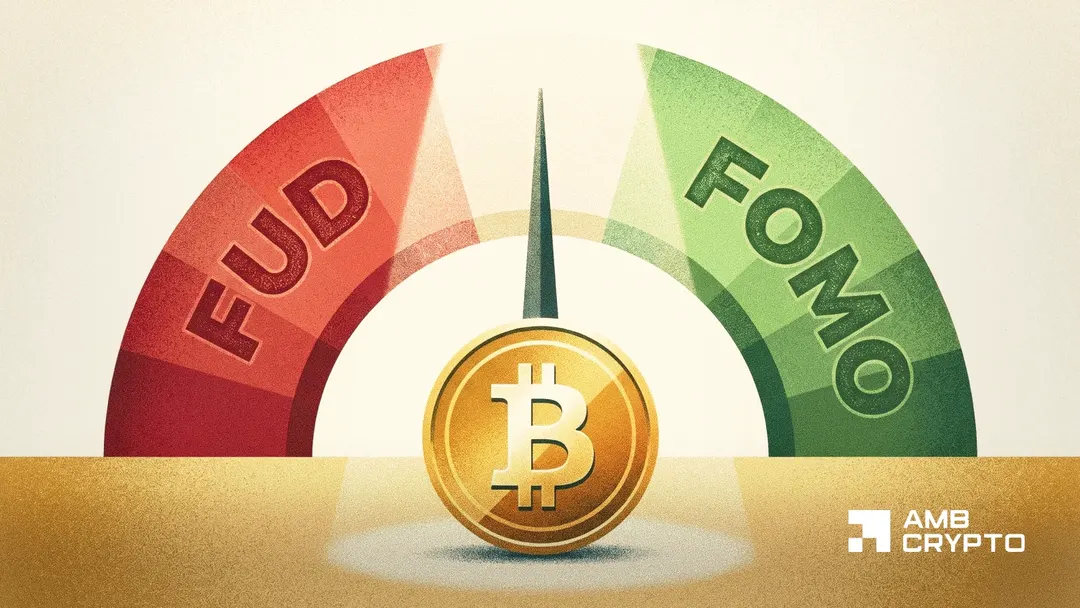
Santiment: Bitcoin sentiment shifts from FOMO to FUD, Bull Score falls to 60
Why it matters: If BTC holds $76K and shorts begin to liquidate, a return to greed is possible; a break below would intensify ETF outflows and pressure on altcoins.
Corporate treasuries bought only 5,900 BTC in three months
Why it matters: Slowing corporate purchases deprives the market of a key source of demand and signals weakening institutional interest.
PUMP retreats 29.5% from August peak and tests $0.00317 support
Why it matters: Holding $0.00317 will determine whether the August momentum persists; a break below $0.00265 would open the way for further declines.

ETH falls 4% after CLARITY Act failure as whales accumulate 200K ETH
Why it matters: Shrinking exchange supply and whale buying support ETH, but the key level is $2,270 at the intersection of the 50- and 200-day EMAs.
Analyst Lark Davis names bitcoin support levels at $73,000 and $67,000
Why it matters: The $73,000 and $67,000 levels are reference points for traders if BTC extends its decline amid tight Fed policy.
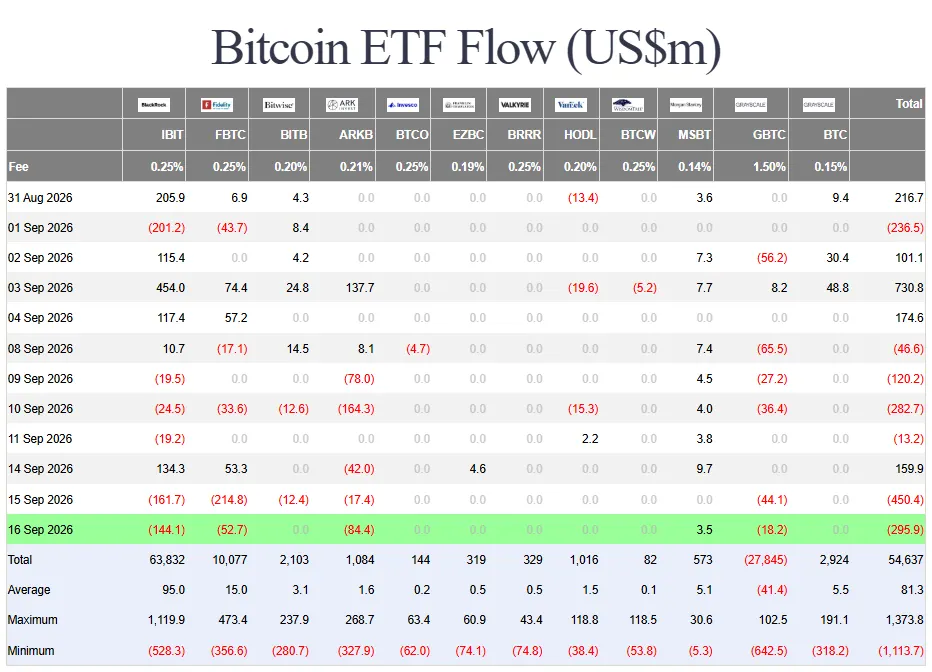
$519M pulled from crypto ETFs in a day: BTC and ETH fall, SOL gains
Why it matters: A second wave of outflows from BTC and ETH ETFs signals weak institutional demand after the failure of the CLARITY Act and a hawkish FOMC.

PI falls 4.29%, now 96% below its all-time high
Why it matters: The token is in a sustained downtrend without a news catalyst, and rising volume on the decline confirms seller pressure.
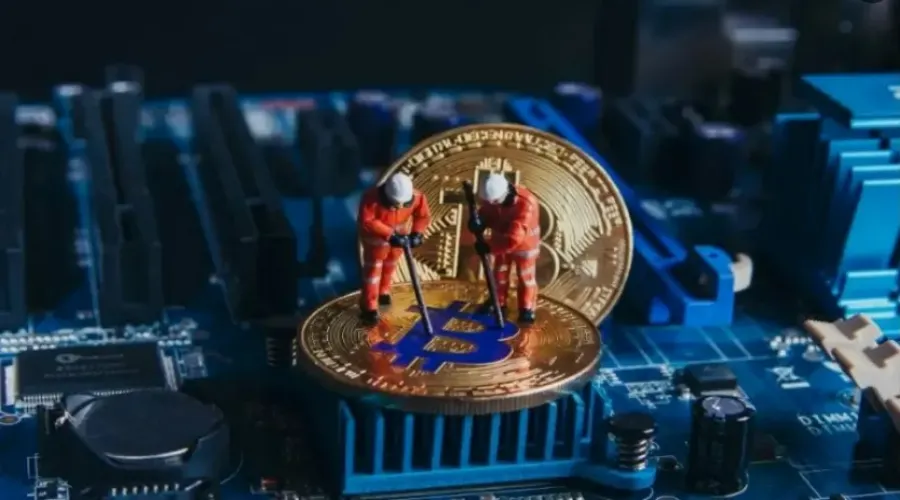
CoinShares: Bitcoin miners fall below breakeven for the first time
Why it matters: Pressure on miner margins is accelerating their shift toward AI infrastructure, which could weaken Bitcoin hashrate growth.
JUP falls 10% after losing $0.24 support, capital flows turn negative
Why it matters: Jupiter is a key trading router in Solana, and its weakness signals declining activity in the ecosystem.

Bitfinex: altcoins give back gains, bitcoin weaker than gold and stocks
Why it matters: The altcoin rally is driven by leverage rather than spot demand: without sustained buying, the market remains vulnerable to further declines.
Bitfinex: Bitcoin tests $75,000 support as derivatives positions recover
Why it matters: Holding the $74,985–75,412 range is critical: a breakdown below it would open the way to $73,500 and lower, signaling a return to a bear market.
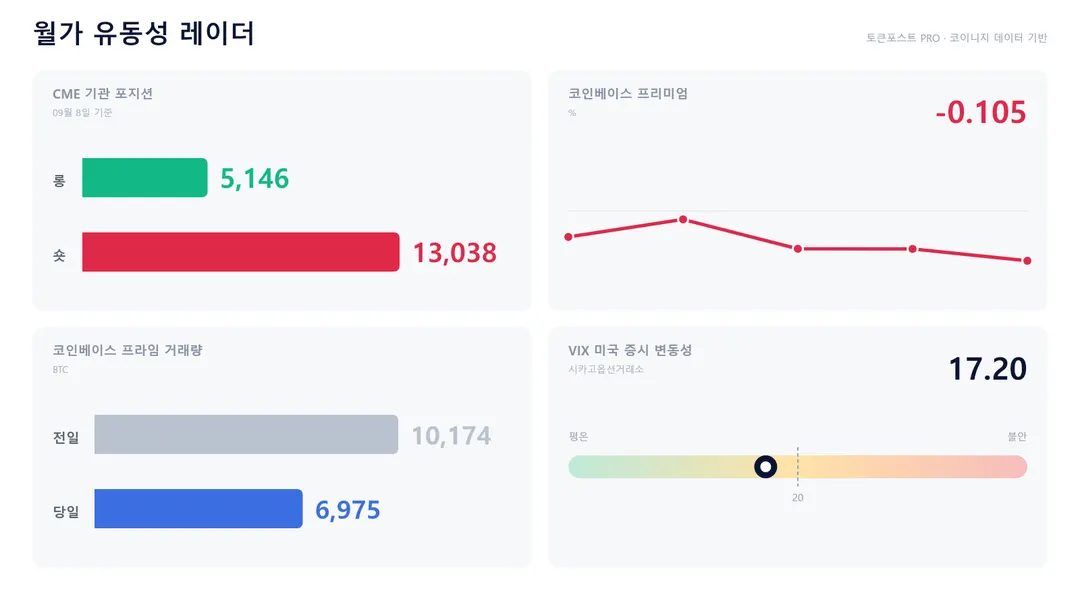
Coinbase premium falls to -0.1051%, Coinbase Prime volume plunges 31.4%
Why it matters: Weak U.S. spot and institutional activity points to cooling demand within the crypto market rather than a broad risk-off move.

Litecoin Holds $51.85, Defends 200-Day Moving Average
Why it matters: A loss of the 200-day SMA would cancel the medium-term upside scenario for LTC, while US regulatory uncertainty weighs on payment coins.
Exchanges Received 2,655 BTC in a Day as Asian Trading Volume Fell 59%
Why it matters: Rising BTC exchange reserves increase seller pressure in the short term, while the monthly outflow points to a continued medium-term supply deficit.

Largest ZEC Short Grows to $51.5M, Liquidation at $2,631
Why it matters: The growth of the largest ZEC short increases pressure on the price, and a break through the liquidation level could trigger a sharp spike in volatility.
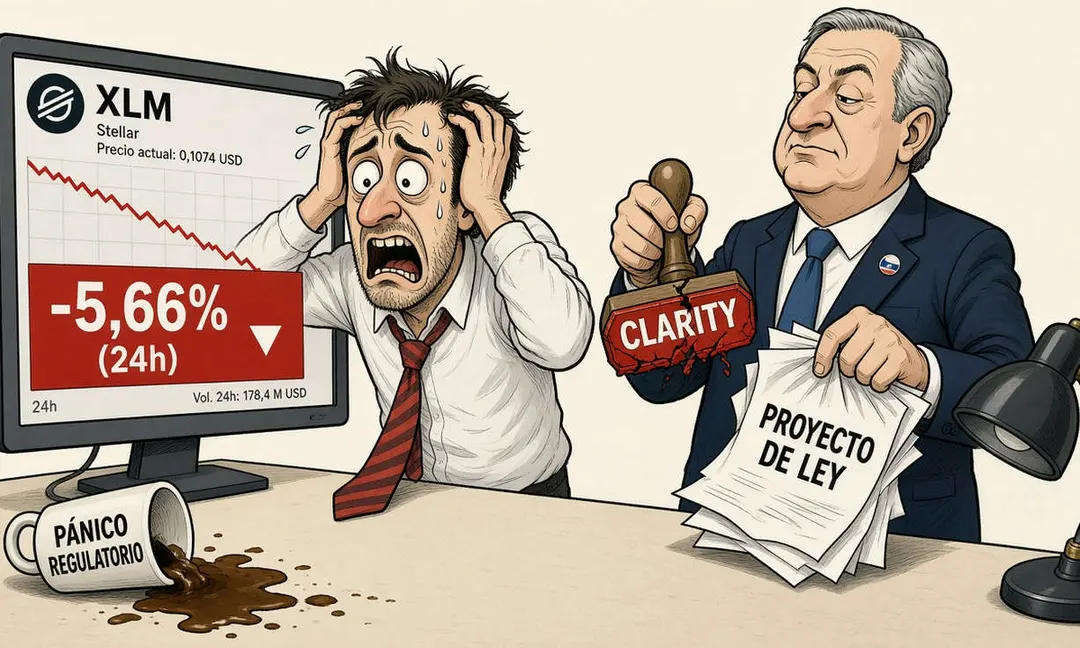
XLM Falls 5.66% to $0.181 After CLARITY Act Fails
Why it matters: The CLARITY Act failure hits the regulatory narrative for payment coins; holding $0.1785 will determine XLM's next trend.

Glassnode: Altcoins Weaker Than Bitcoin, Options and Order Book Point Lower
Why it matters: Holding $76,700 (True Market Mean) with two daily closes would restore momentum to the market, while a loss would open the way to $71,300 and $62,000–65,000.