Why is crypto crashing today? Crypto crash news
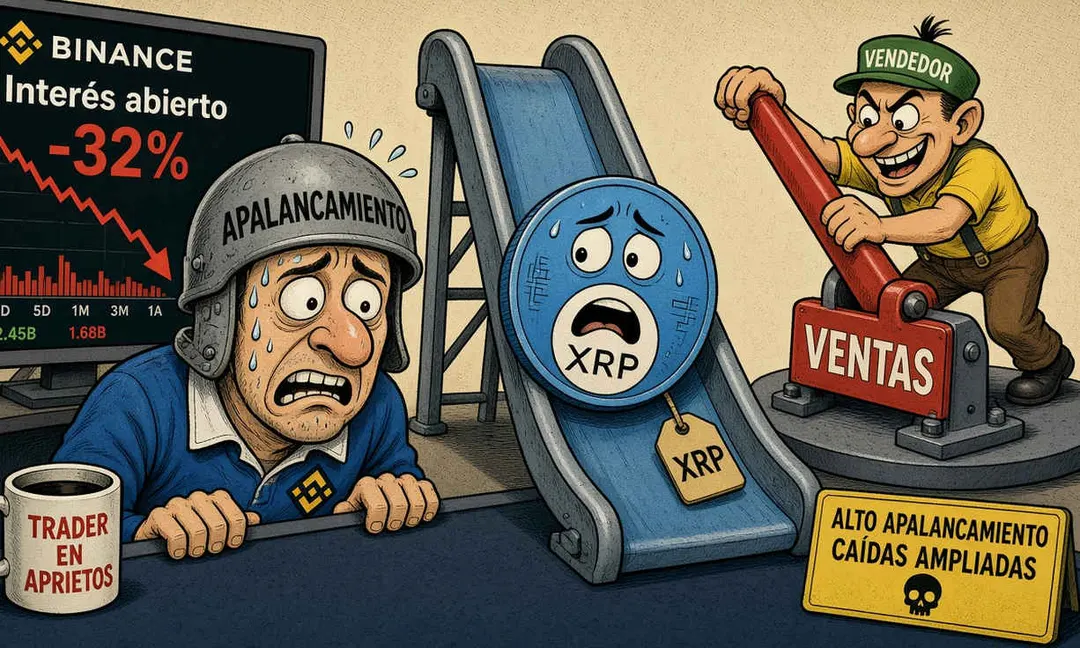
XRP open interest on Binance falls 32% in a month
Why it matters: Reduced leverage lowers the risk of cascading liquidations, but a persistent seller overhang gives no signal of an XRP reversal higher.
Bitcoin ETFs see $328 million in daily outflows, $920 million for the week
Why it matters: Sustained ETF outflows signal weakening institutional demand and could amplify volatility in bitcoin and ether.
XRP shorts double longs: $490M versus $203M
Why it matters: The buildup of shorts above $1.30 creates squeeze risk on a return to $1.46-1.50, which could amplify an XRP rebound.
Bitdeer sold 1,506 BTC for $105M in August, reserves fell to 61 BTC
Why it matters: Regular monthly miner sales add BTC supply to the market, while the pivot to AI reduces dependence on the bitcoin price.

XRP Falls Below Ichimoku Cloud: $1.33 Becomes Key Resistance
Why it matters: Holding $1.2950 would preserve the structure, but a return above $1.33 is needed to cancel the bearish Ichimoku signal.
US Bitcoin ETF net inflows fall to $55B from $63B peak
Why it matters: Slowing ETF inflows signal weakening institutional demand for Bitcoin and weigh on its price.

SHIB spot flows turn negative across all seven timeframes
Why it matters: Weakening spot demand prevents SHIB from breaking resistance at $0.00000515–0.00000520, raising the risk of a decline to $0.00000460.

XRP holds near $1.30 as futures open interest falls to 2.12 billion tokens
Why it matters: Falling open interest and weak demand cap XRP's rebound toward $1.50, raising the risk of a break below $1.26 support.
Shareholders revolt against crypto treasuries after $50B rout
Why it matters: Mass selling of treasury BTC and a pivot to buybacks could add pressure on the bitcoin price and undermine the model of Strategy-like companies.
Garrett Jin withdraws 35,001 ETH worth $85M from Binance to Hyperliquid
Why it matters: A large ETH transfer to a derivatives venue could signal preparation to sell or strengthen a short position, pressuring the price.
Canaan posts $97.6 million loss for Q2 2026
Why it matters: Falling demand for ASIC miners and Canaan's weak guidance signal pressure across the mining sector amid low bitcoin prices.
BlackRock moves $285.5 million in BTC and ETH to Coinbase Prime
Why it matters: Large BlackRock transfers to Coinbase Prime are typically tied to spot ETF flows and can signal seller pressure.

Bitcoin realized cap falls for first time in a month, next support at $71,300
Why it matters: Two demand indicators weakened at once: a return to growth requires two daily closes above $76,700 and a rising realized cap, otherwise the market will test $71,300.
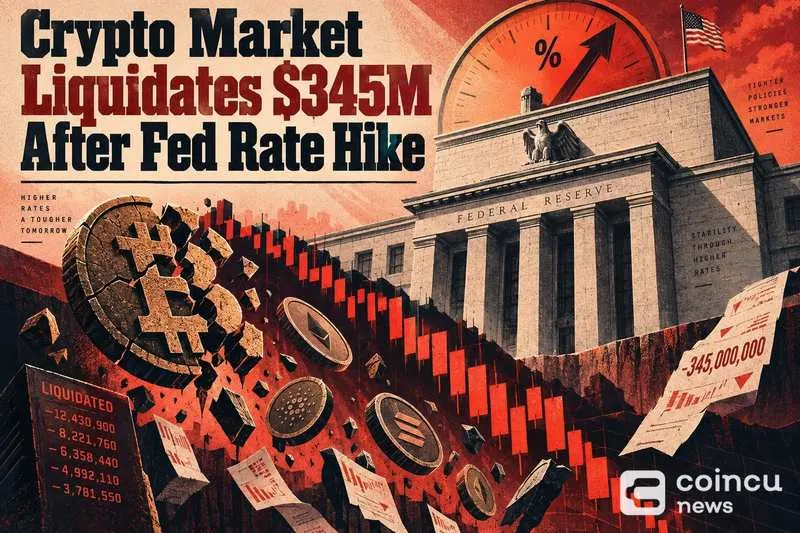
$345 million liquidated in crypto market after Fed rate hike
Why it matters: The liquidation spike shows excess leverage is being flushed out; further movement depends on open interest and funding.

MCAT jumps 200% with no catalyst as 95.7% of volume is wash trading
Why it matters: A token with an unresolved contract conflict and almost no retail free float carries a high risk of manipulation and loss of funds.
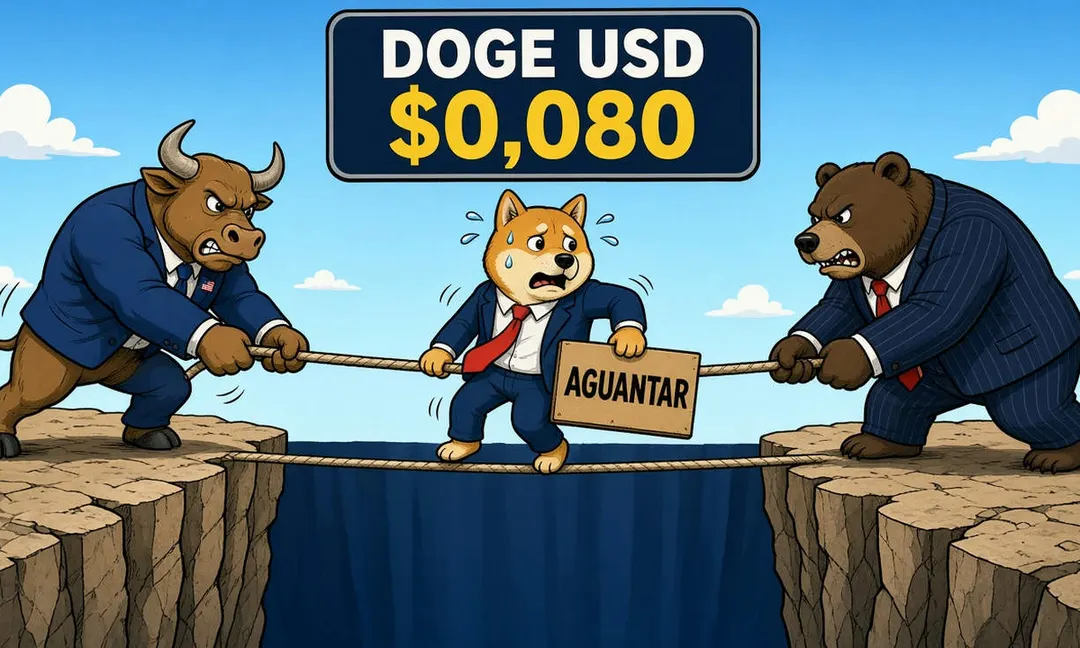
Dogecoin at $0.0808: weak bounce on falling volume
Why it matters: A break below support at $0.080176 would accelerate the decline, while holding it would open the way toward the 20- and 50-day averages.

XRP falls below $1.30 support: traders expect further decline
Why it matters: Falling open interest and a support break point to weak demand; holding $1.30 will determine whether the pullback continues to $1.14.

XRP open interest falls 23% to $871M
Why it matters: The drop in open interest points to deleveraging and trader repositioning; holding $1.29 will determine whether there is a rebound or a further decline.

Bitcoin holds $76,000 after Fed and CLARITY Act failure, but closes below True Market Mean
Why it matters: Losing the True Market Mean for a second consecutive time opens the path to support at $71,300 and the $62,000–65,000 zone if new capital does not return.

$746.3M withdrawn from bitcoin ETFs over two days
Why it matters: The shift from inflows to outflows signals weak institutional demand after the CLARITY Act failed and the Fed raised rates.