XRP (XRP) news
Ex-Ripple CTO: XRP can overtake Bitcoin by market cap through growth, not a BTC crash
Why it matters: The former Ripple CTO's remarks set a benchmark for XRP holders, but the scenario requires years of outperformance and remains speculative.

Grayscale: US crypto regulation will continue despite CLARITY Act failure
Why it matters: The bill's failure shifts crypto regulation to the SEC and CFTC, reducing market certainty until new legislative attempts emerge.

Bitcoin above $76,000, Ethereum toward $2,500, XRP at $1.30 after Fed rate hike
Why it matters: The market absorbed the Fed's hawkish pivot: further gains depend on stabilizing yields and ETF inflows.
XRP Ledger activity rises: 337 XRP burned vs 319 average
Why it matters: Rising XRPL activity is positive, but the volume of burned fees is too small to affect supply — the price depends on holding the $1.27–1.30 support.

XRP falls below $1.30 support: traders expect further decline
Why it matters: Falling open interest and a support break point to weak demand; holding $1.30 will determine whether the pullback continues to $1.14.
Bitget expands Proof of Reserves from 4 to 19 assets
Why it matters: Expanding PoR improves exchange transparency and allows more clients to independently verify the backing of their funds.

XRP open interest falls 23% to $871M
Why it matters: The drop in open interest points to deleveraging and trader repositioning; holding $1.29 will determine whether there is a rebound or a further decline.

XRP at $1.30: long/short ratio 1.06, funding turns negative
Why it matters: Mixed derivatives signals provide no confirmation of a reversal: the market will watch for a close above $1.353 and whether support at $1.25–1.28 holds.

XRP at $1.30: weak derivatives data caps upside
Why it matters: Mixed derivatives and on-chain signals do not confirm a sustained XRP recovery, and a break above $1.353 would be the key trigger.
XRP ETFs lead inflows after SEC chair vows to act without CLARITY Act
Why it matters: Inflows into XRP ETFs amid outflows from BTC and ETH show demand for XRP, but weak OI and a price below the 200W EMA point to a fragile trend.

Schwartz: US Senate blocked CLARITY Act for bank profits
Why it matters: The bill's failure and the delayed XRP ETF approval keep regulatory uncertainty for US crypto products.
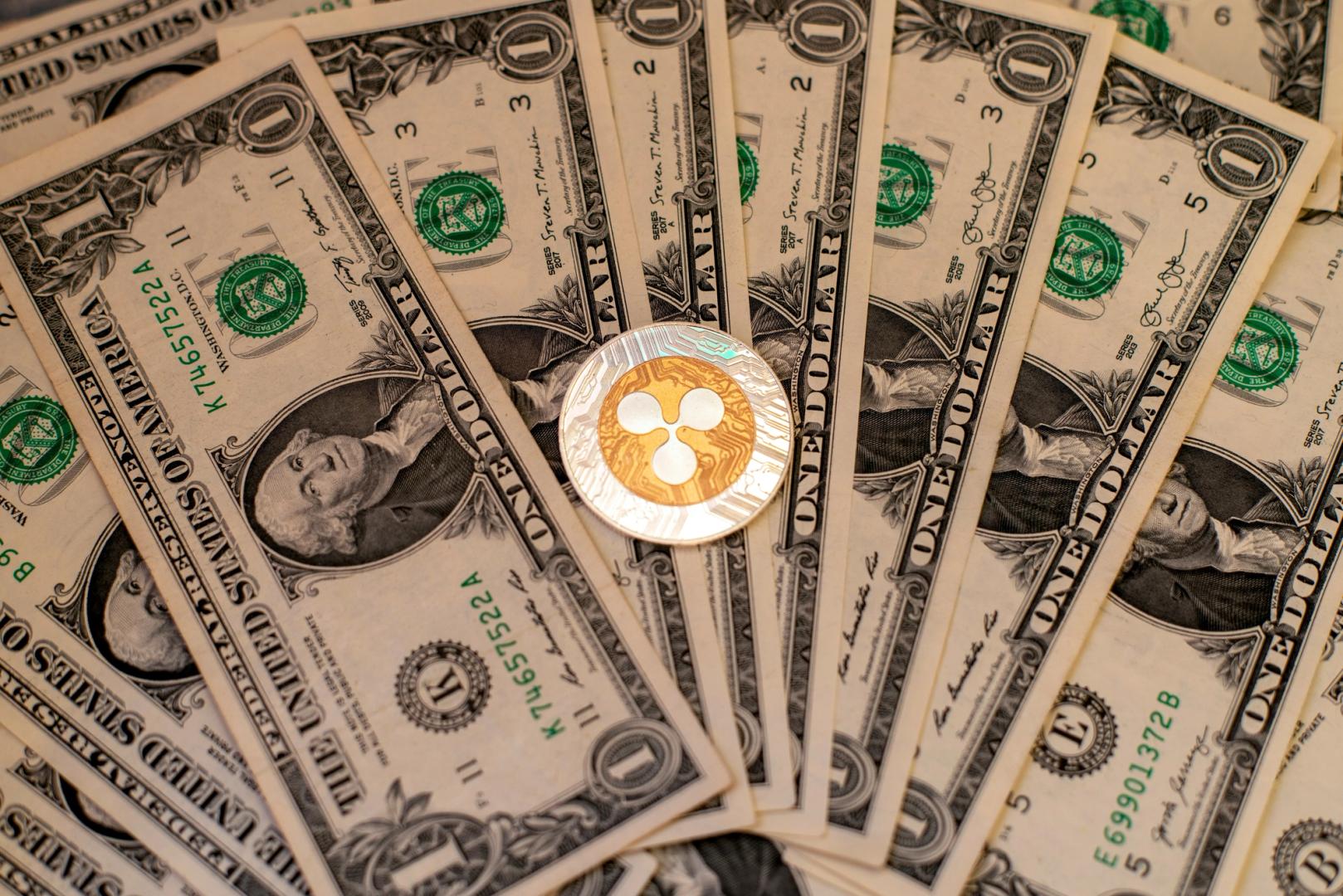
Ripple Adds XRP and RLUSD Payment Support to Stripe and Tempo Standard for AI Agents
Why it matters: It expands the use of XRP and RLUSD in payments for AI agents, but the product is in beta with no confirmed demand.
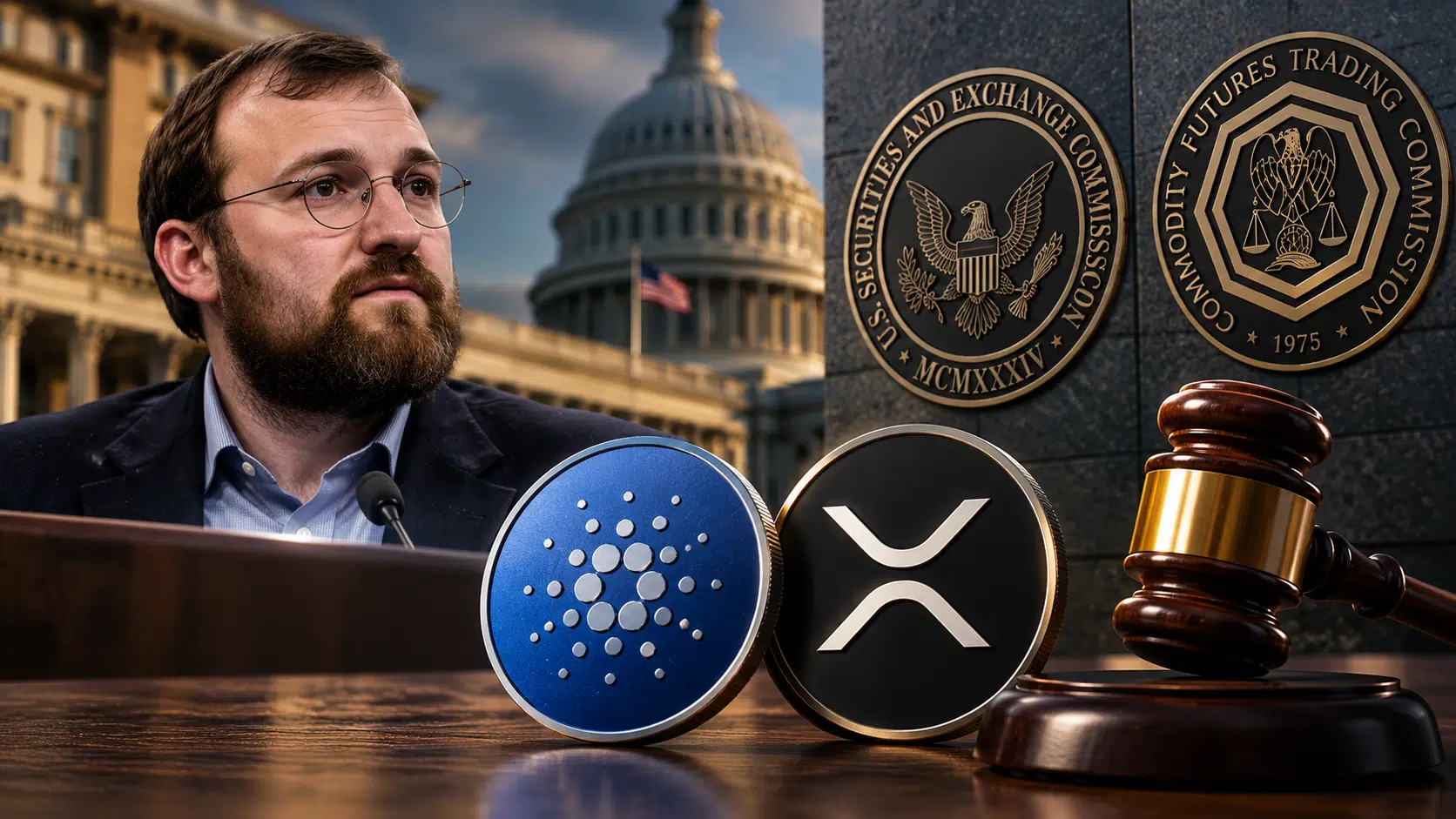
Hoskinson: ADA and XRP are real commodities, not securities
Why it matters: The statement reinforces the commodity-status narrative for ADA and XRP, reducing regulatory risks for these assets.

$520M pulled from bitcoin and Ethereum ETFs, Solana and XRP attract funds
Why it matters: The rotation of capital from BTC and ETH into altcoin ETFs shows institutions shifting into smaller assets after the Fed's tightening.

Analysis: Is the CLARITY Act needed for Bitcoin to rally?
Why it matters: For BTC holders, the law matters not as a growth driver but as insurance against the reversal of friendly rules after the 2028 election.

Bitcoin developers unveil post-quantum network protection plan
Why it matters: The shift to post-quantum cryptography affects the security of all BTC holders and sets an industry standard for years to come.
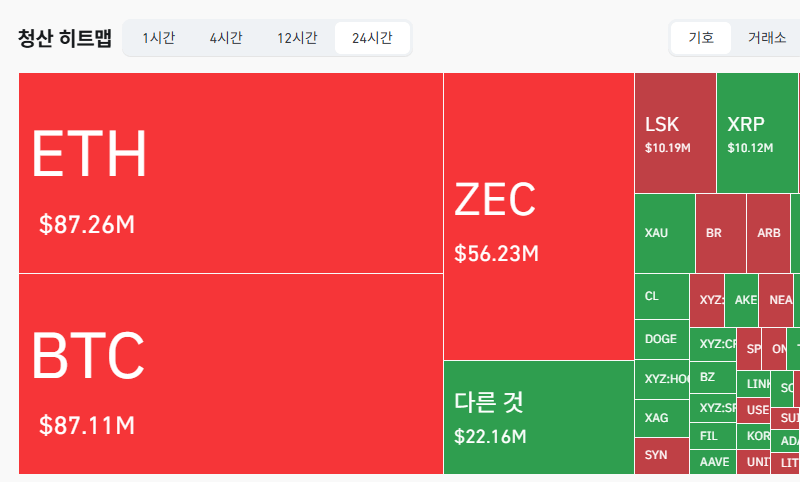
$271.76 million liquidated in 24 hours, 62.45% in shorts
Why it matters: The dominance of short liquidations points to a market rebound after the hawkish FOMC and growing pressure on sellers.
Evernorth: Wall Street isn't waiting, it's already deploying XRP infrastructure
Why it matters: RLUSD's growing share and Evernorth's Nasdaq plans show that XRP's institutional infrastructure is developing independently of the CLARITY Act's fate.

Fed hikes rates to 4%, Arc launches mainnet, market cap rises to $2.7T
Why it matters: The first tightening in three years sets the market's tone, while the Arc launch with major institutions strengthens USDC tokenization.
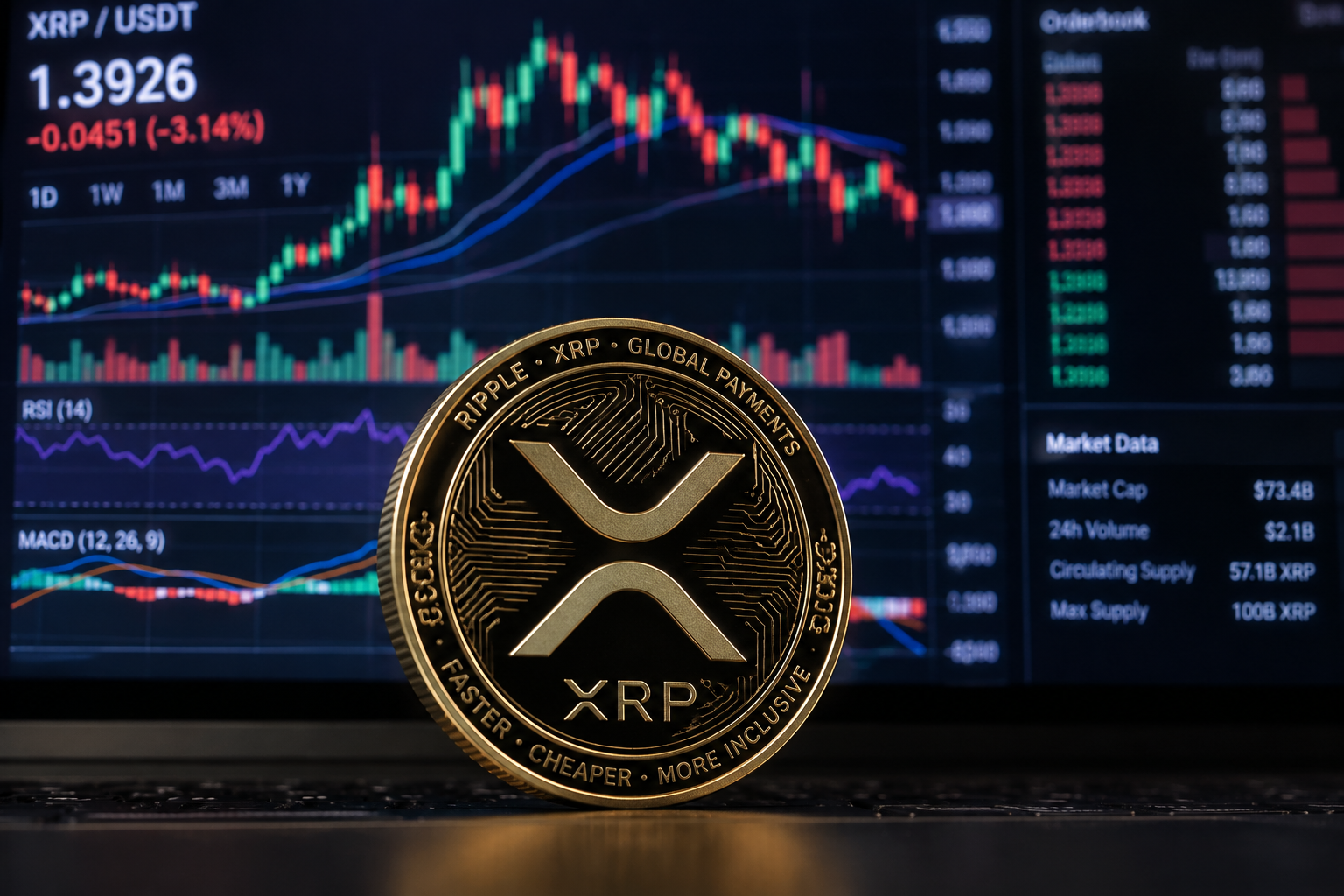
XRP Stabilizes at $1.30 After Fed Rate Hike and CLARITY Act Failure
Why it matters: Lower long leverage reduces the risk of cascading liquidations, but sustainable XRP growth requires real spot demand rather than new borrowing.