Uniswap (UNI) news

UNI up 91% since August as annualized burn rate tops $250M
Why it matters: UNI's rally is now tied to real fees and burning, but its durability depends on whether Robinhood Chain volume becomes the norm rather than a one-off record.

UNI holds near $6.35 ahead of CLARITY Act vote in U.S. Senate
Why it matters: The outcome of the CLARITY Act vote will determine regulatory clarity for DeFi protocols and could set UNI's direction for weeks to come.

Uniswap approaches $7.50 resistance as 60% of positions are long
Why it matters: The long-heavy positioning makes UNI vulnerable to a sharp pullback: a break above $7.50 would fuel further gains, while a rejection would trigger a wave of liquidations.

Crypto market slips back to $2.65T after Democrats' counterproposal on CLARITY Act
Why it matters: The outcome of the CLARITY Act vote and the Fed's September 16 decision will set the market's direction: a break of the $75–82K range risks a cascade of liquidations.

Uniswap's DEX volume share climbs from 21% to 31% after Robinhood integration
Why it matters: The rising share and the emergence of sustainable revenue strengthen UNI's position in DEX competition and could support the token's price.

Uniswap launches API to optimize liquidity and guard against malicious hooks
Why it matters: Improved routing could boost trading volumes on Uniswap and intensify competition among DEXs.

Uniswap v4 stable pair hook becomes Ethereum's top pool in five days
Why it matters: Rising volumes in the new pool could bring liquidity back to Ethereum amid intensifying DeFi competition.

Uniswap adds full support for Kraken's Ink network
Why it matters: It intensifies competition among exchange L2 networks for DeFi trading volume: both Base and Ink now have full Uniswap support.
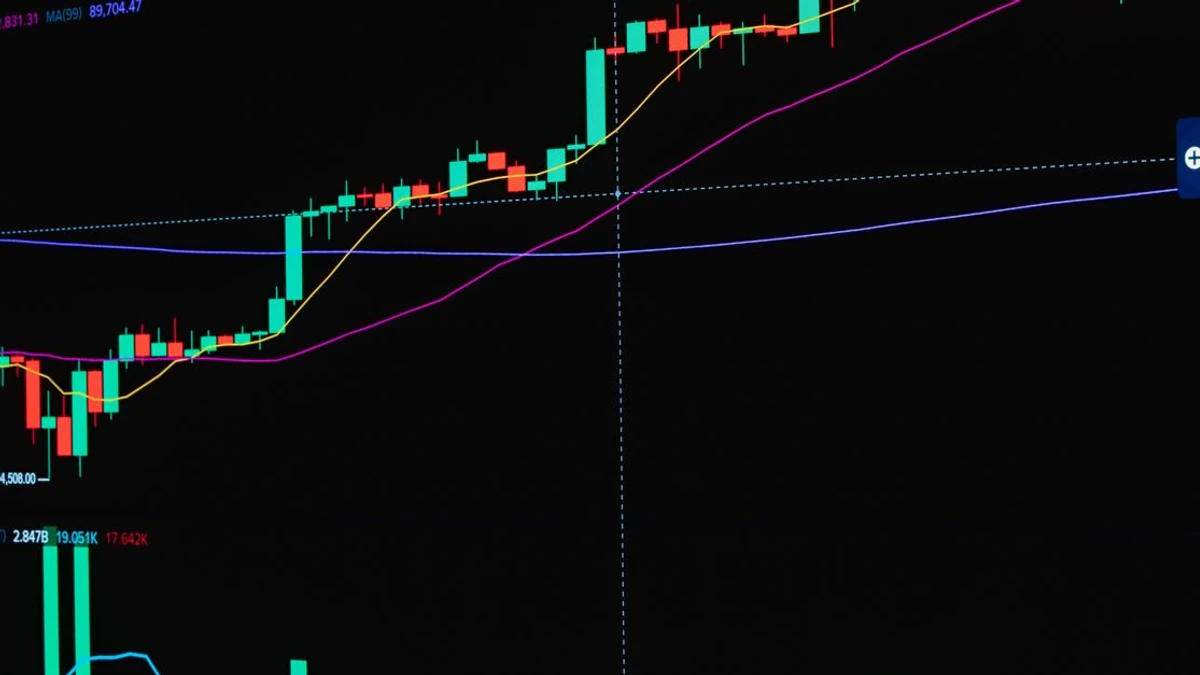
SpiralCom loses 10.7 ETH in Uniswap V4 exploit
Why it matters: The incident undermines confidence in Uniswap V4's security and may make DeFi liquidity providers more cautious.
Circle launches Arc L1 blockchain on September 16 with Uniswap support
Why it matters: Arc could strengthen USDC's role in payments and DeFi, creating competition for Ethereum and other L1s for institutions.

Uniswap launches StablePair Hook to challenge Curve in stablecoins
Why it matters: Uniswap is challenging Curve's dominance in the stablecoin market, which could change the distribution of fees and liquidity in DeFi.

New Prop AMM market-making model gains traction on Solana
Why it matters: The growth of Prop AMM is reshaping Solana's liquidity structure and could intensify competition with classic AMMs like Uniswap and Curve.

Uniswap tops $70B in monthly DEX volume, v4 overtakes v3
Why it matters: Rising v4 volumes and protocol revenue strengthen Uniswap's position as the leading DEX, though the metric does not reflect the UNI token price.