TRON (TRX) news

Chainalysis: blockchain malware up 420%, CoinEx to close
Why it matters: The rise in on-chain malware increases risks for users and exchanges, while CoinEx's exit reduces the number of platforms amid regulatory pressure.

TRX holds near $0.334 as volume drops 38%
Why it matters: The market is digesting the launch of Canary Capital's spot TRXS ETF and awaiting TRX futures on the Moscow Exchange on September 22.

Ducat integrates with TRON for USDT settlements via Bitcoin-backed token
Why it matters: A Bitcoin-backed stablecoin gains access to the largest USDT pool on TRON, expanding liquidity for BTC holders.

BIS: Bitcoin transfer volume estimates vary by up to six times
Why it matters: On-chain metrics should be read as rough estimates rather than direct measurements of economic activity.

Chainalysis: Chinese AI models drove 440% surge in malicious blockchain records
Why it matters: Blockchains are increasingly used as a censorship-resistant malware delivery channel, raising reputational and regulatory risks for public networks.

Chainalysis: onchain malware up 420%, with North Korea and Iran involved
Why it matters: The growth of onchain malware increases risks for users and exchanges, as blockchains become part of cybercriminals' infrastructure.
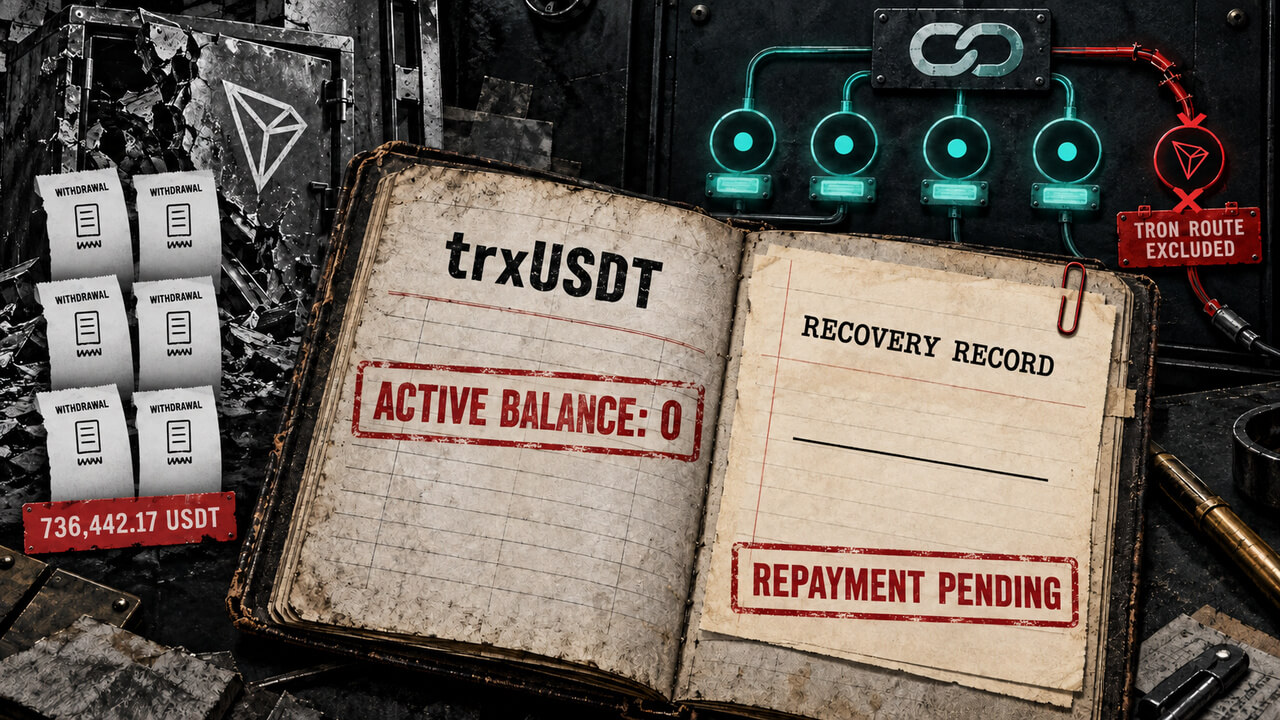
Chainflip to Zero Out TRON USDT Provider Balances After $736K Exploit
Why it matters: Liquidity providers on the TRON/USDT route remain without payouts, and the timing and source of compensation are unspecified.

Ethereum: 203.9M transactions in Q2, $147.3B in stablecoins
Why it matters: Transaction growth is not converting into network revenue and demand for ETH, which limits the token's upside potential.

ERA releases software wallet for its hardware device
Why it matters: The product lowers the barrier to self-custody of crypto, which could intensify competition among hardware wallet makers.

NEAR Protocol launches direct deposit from Tron with withdrawal to Ethereum
Why it matters: Simpler transfers between Tron and Ethereum could increase cross-chain volumes and intensify competition among interoperability solutions.
Justin Sun Launches Math Prize With Blockchain Payouts
Why it matters: It sets a precedent for public on-chain funding of fundamental science, linking formal verification and blockchain settlements.
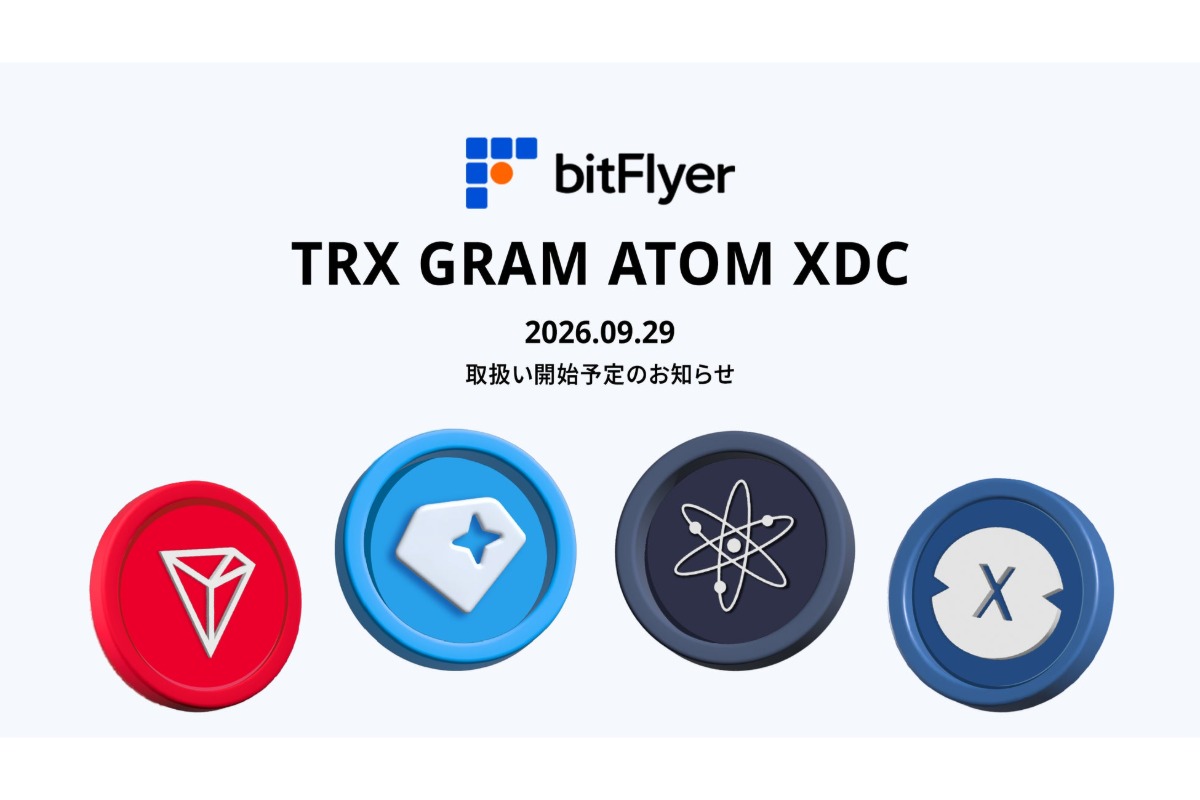
bitFlyer Adds TRX, GRAM, ATOM and XDC Amid Wave of Japan Delistings
Why it matters: Japan's market is consolidating listings: major exchanges are cutting the number of coins while bitFlyer expands its lineup with assets focused on corporate and cross-network use.

TRX holds near $0.333 amid staking ETF launch and market slump
Why it matters: TRX shows relative resilience to the selloff, but without real ETF inflows the price will stay in the $0.328–$0.340 range.
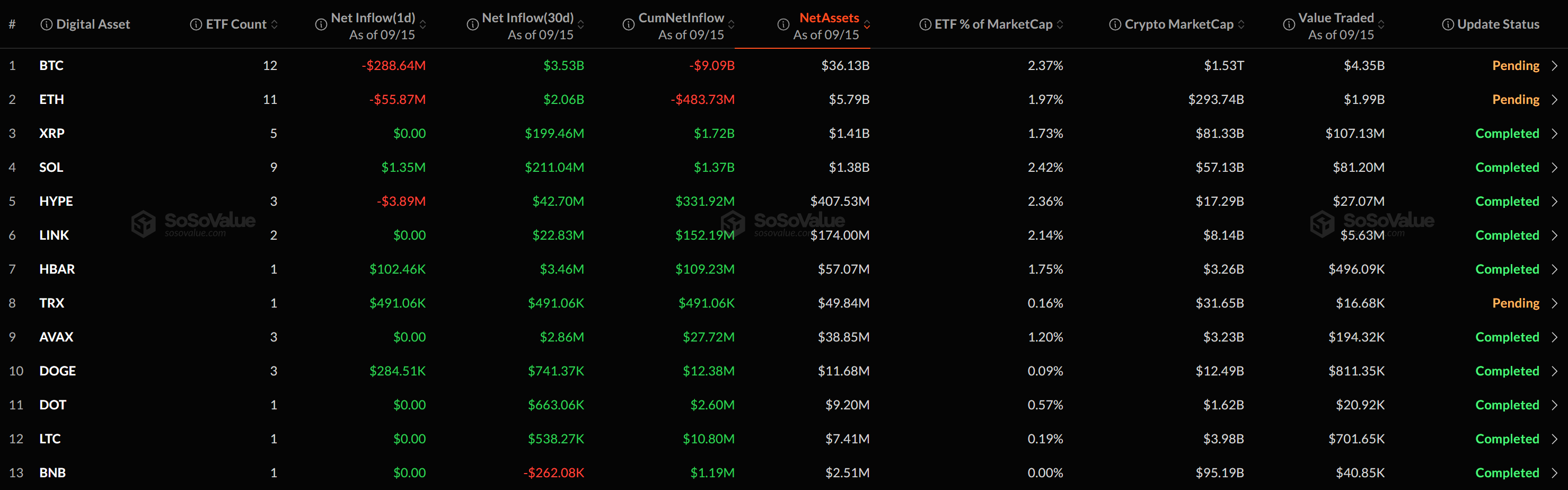
Spot altcoin ETFs: inflows into SOL, DOGE, HBAR, TRON; outflows from HYPE
Why it matters: The mixed flows show that demand for altcoin ETFs remains selective and concentrated in a few funds.

TRX Falls 1.82% to $0.332 After CLARITY Act Stalls
Why it matters: The CLARITY Act failure increased pressure on altcoins; losing $0.3319 support would open the way to SMA-90 and SMA-200.

BIS: Bitcoin Transaction Volume Can Vary Up to 6x Depending on Counting Method
Why it matters: On-chain metrics relied upon by traders and analysts may distort actual network and stablecoin activity, leading to erroneous conclusions about demand.

JST rises 1.08% to $0.115, tests 90-day high
Why it matters: TRON's integration with MetaMask broadens access to JustLend DAO, but weak volume at resistance raises the risk of a technical correction.

JST gains 4.84% to $0.115 on TRON-MetaMask integration
Why it matters: JustLend's integration with MetaMask expands access to TRON's DeFi ecosystem, but weak volume and overbought conditions raise pullback risk.

TRON tests quantum signatures that could cut TPS by 95%
Why it matters: For a network with high transfer and stablecoin volumes, larger signature sizes could constrain throughput and fees.
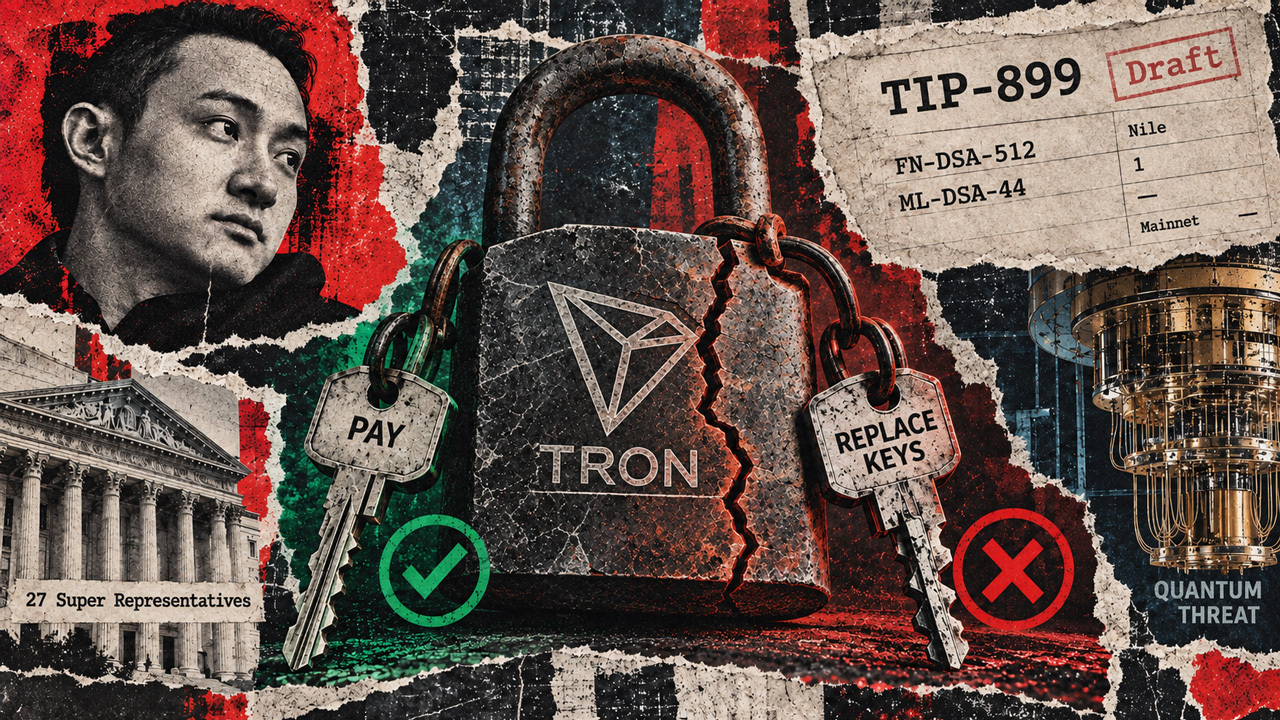
TRON quantum security design may prevent some wallets from changing keys
Why it matters: If the design is adopted as currently written, some TRON users risk losing the ability to change keys during the migration to quantum-resistant signatures.