Ethereum (ETH) news

Buterin: 90% of my net worth depends on crypto security
Why it matters: The debate sets a framework for assessing AI-attack risks to blockchains and Ethereum's verification priorities.

Whale deposits 440,000 HYPE worth $36M to FalconX, withdraws 12,250 ETH worth $30.1M
Why it matters: A large HYPE-to-ETH transfer may signal whale capital rotation and add pressure on the HYPE price.

Bitcoin Tries to Hold Above $77,000 After $142M Short Squeeze
Why it matters: A break above $77,600 could accelerate gains via forced buying, but losing $76,000 risks liquidating longs in the $75,500–75,800 zone.
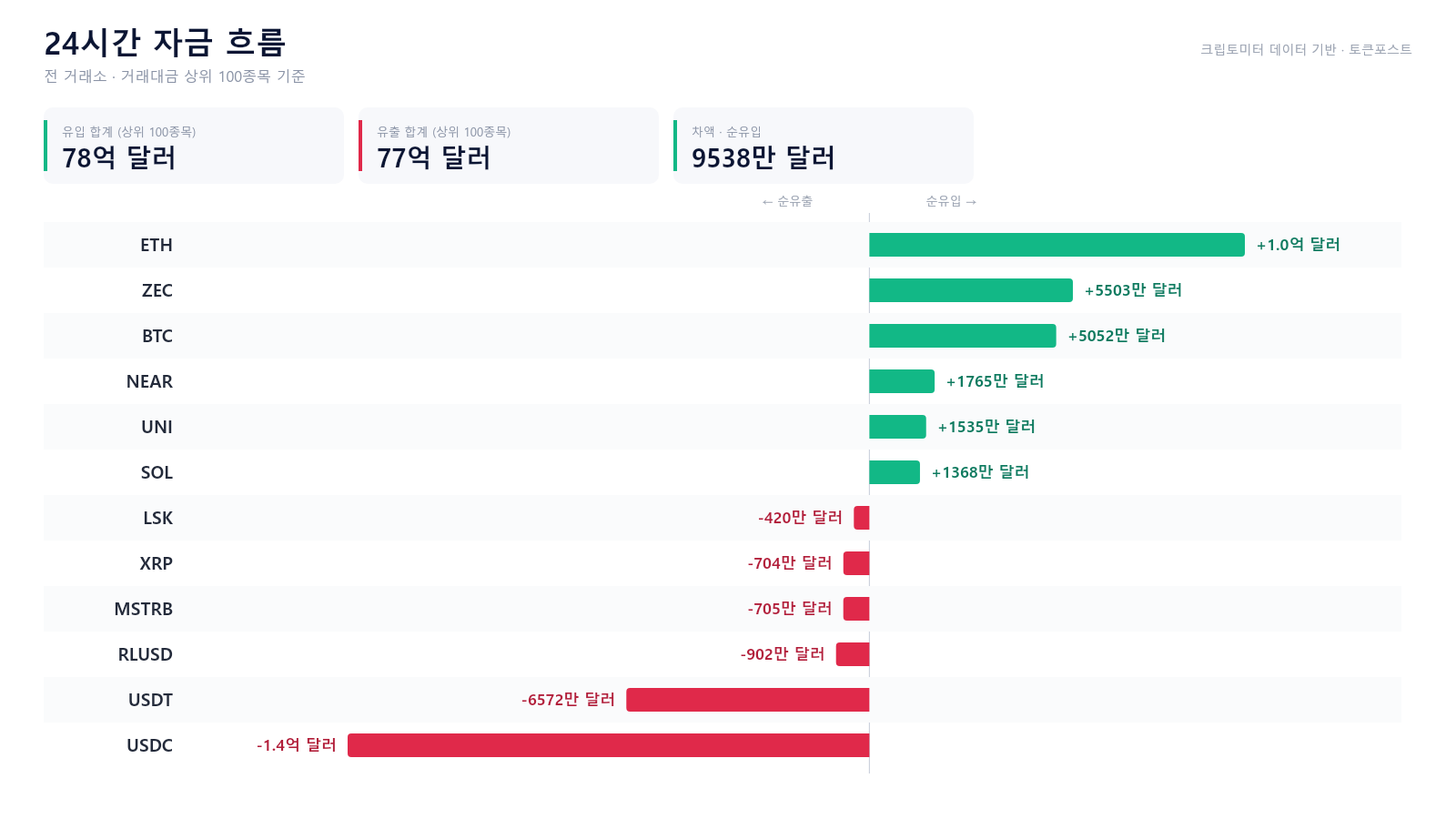
ETH Draws $102M Inflow, BTC $51M, as USDC and USDT See Outflows
Why it matters: Capital rotating out of stablecoins into ETH, BTC and ZEC points to rising risk appetite among large holders.

Four New Addresses Buy 6,972 ETH for $17.15M, Deposit All Into Lido
Why it matters: A large one-off ETH inflow into Lido reduces circulating supply and supports staking demand.
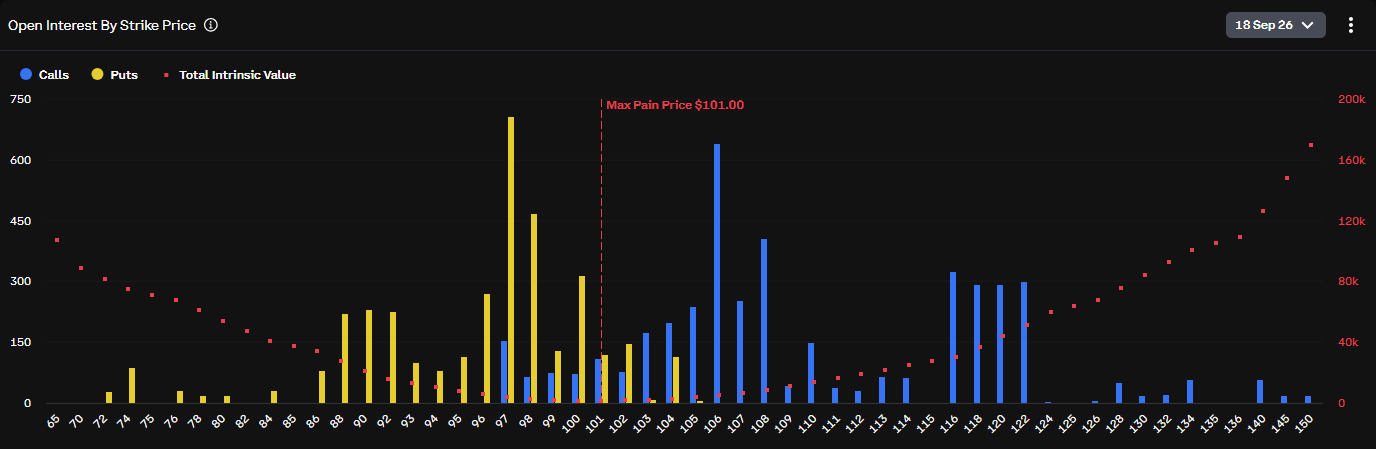
Options: calls dominate ETH and XRP, Solana more cautious
Why it matters: The call skew points to expectations of a rebound in ETH and XRP, while Solana remains the most hedged against a decline.

Hyperliquid Whales Hold $7.77B, With 52.77% of Positions Short
Why it matters: A short-heavy tilt among large players points to market caution, but losses on those shorts could trigger a short squeeze if prices rise.
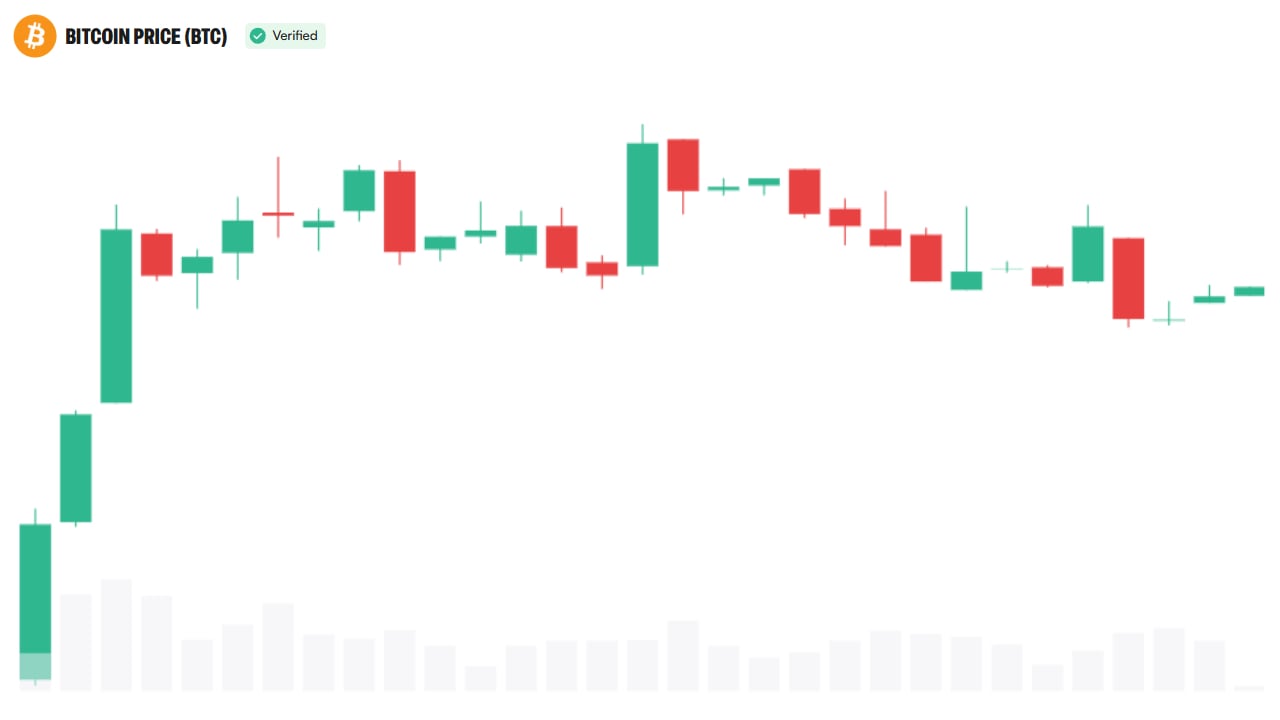
CoinShares: bitcoin unlikely to break $80,000 on Fed policy, CLARITY Act failure
Why it matters: Tight Fed policy and delays in US crypto legislation are postponing a market recovery, with altcoins most at risk.

Stablecoin market cap holds near $311.2B as Plasma gains 13%
Why it matters: Growth in on-chain transfers and active addresses points to expanding real-world use of stablecoins even as their market cap stagnates.

Bitcoin at $76,000, Ethereum at $2,450 as market rebounds after Fed rate hike
Why it matters: The market quickly digested the Fed's hawkish move, but capital is still flowing into U.S. tech stocks rather than crypto, with further moves depending on the rate path.

Ethereum rebounds to $2,450 after Fed rate hike; odds of a second hike rise to 66%
Why it matters: Further tightening by the Fed and the Bank of Japan could curb liquidity and limit ETH's upside, making whale demand levels decisive for holding the price.
Nostra on Starknet loses $3.5M in NSTR oracle manipulation
Why it matters: Another oracle exploit hits trust in DeFi protocols on Starknet and highlights the risk of price manipulation in low-liquidity tokens.
Garrett Jin's ZEC short down $30M after Zcash rally
Why it matters: A large unrealized loss on the short raises the risk of a forced buyback of ZEC, which could amplify volatility.

Bitcoin rebounds to $76,304 despite $746M ETF outflow
Why it matters: The rebound is happening on falling volume and against a backdrop of ETF outflows — its durability depends on inflows returning and $75,000 holding.
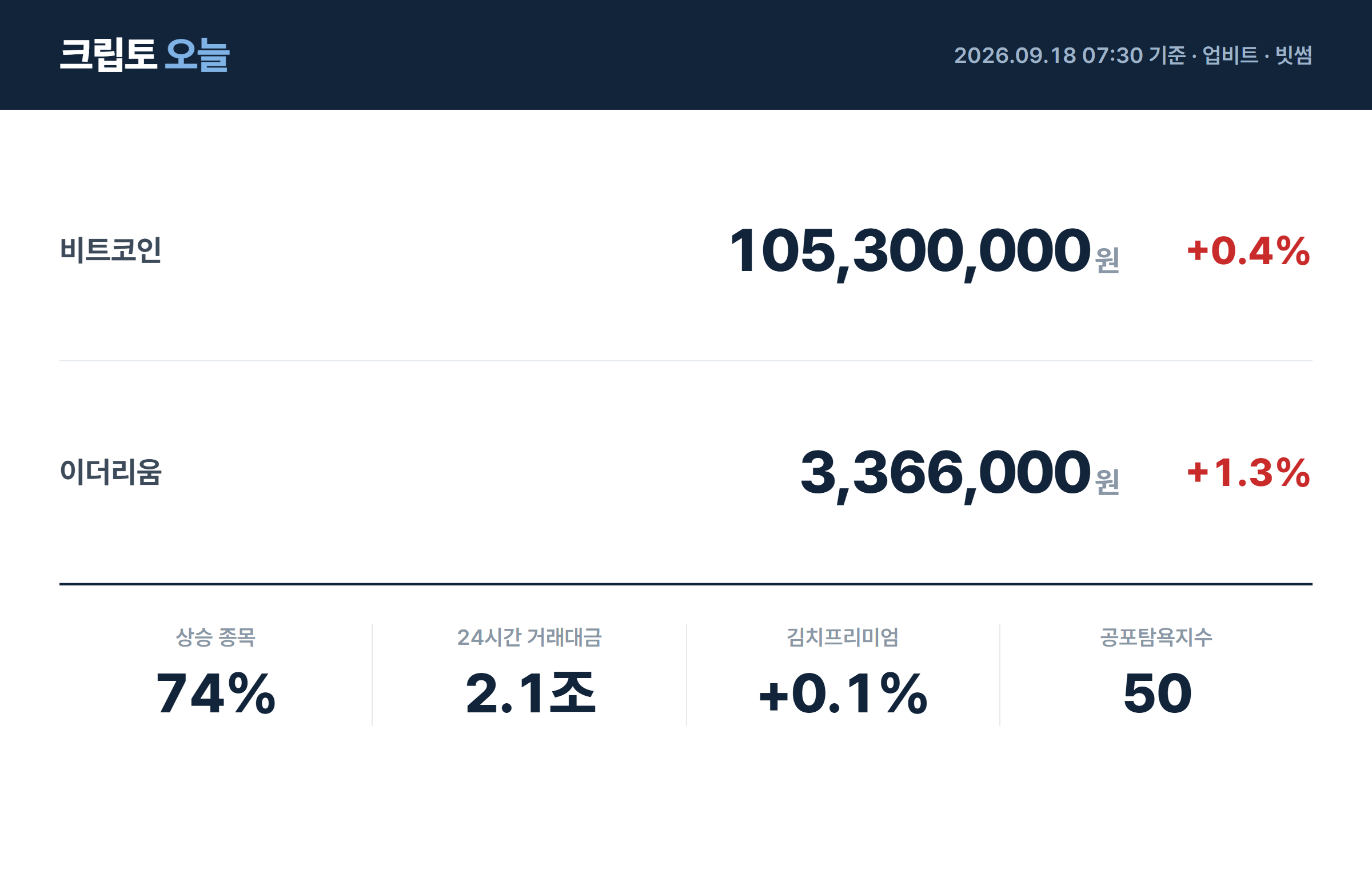
Morning wrap: Bitcoin at 105.3 million won, Travala jumps 75% on Bithumb
Why it matters: Altcoin gains against a neutral Fear & Greed Index (50) point to local demand rather than a broad market reversal.

Vitalik Buterin: AI hacking threat overstated, formal verification will strengthen security
Why it matters: Buterin's argument supports the narrative of maturing blockchain security and eases concerns about AI attacks on crypto infrastructure.

Crypto market cap rises to $2.62 trillion as bitcoin rebounds to $76,580 after Fed and CLARITY Act failure
Why it matters: The rebound rests on short liquidations rather than spot demand: the key level is $77,000, and a failure there could mean a return to $74,900.
Average Ethereum network fee falls 87% from April peak to $0.095
Why it matters: Cheaper transactions boost activity on L1 and in DeFi, but reduce fee revenue and the volume of ETH burned.
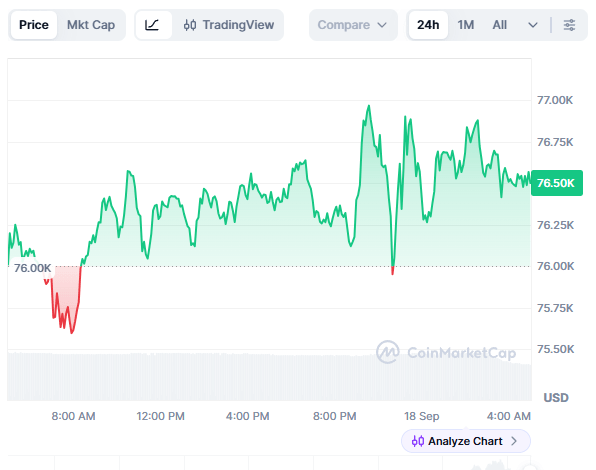
Bitcoin at $76,504, Ethereum at $2,448 as market shows mixed moves
Why it matters: Falling derivatives volume and capital rotation into altcoins point to a wait-and-see stance after the Fed's decision.
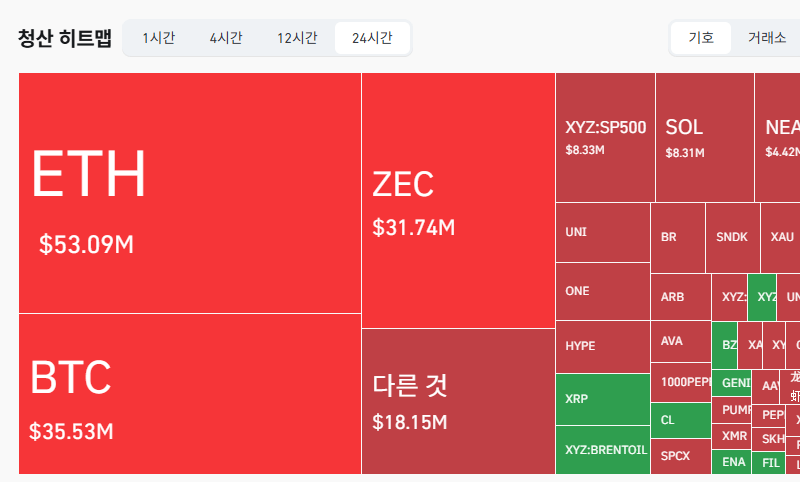
$154.5 million liquidated in 24 hours, 76.7% of it shorts
Why it matters: The dominance of short squeezes points to a market rebound after the hawkish FOMC, which could amplify volatility if key levels are broken.