Bitcoin (BTC) news
CoinShares: Bitcoin miners hold scarce power capacity for AI
Why it matters: Restrictions are turning miners' power capacity into a scarce asset, which could raise their valuation and accelerate the industry's shift into AI infrastructure.

Revolut Confirms KYC Data Leak via Fake Government Domain
Why it matters: The incident increases pressure on digital banks to protect KYC data and fuels demand for ZK verification without storing documents.

Deutsche Bank to Launch Crypto Custody for Institutions
Why it matters: A major European bank is entering regulated crypto custody, strengthening institutional access to digital assets under MiCA.
US 10-Year Treasury Yield Hits Highest Since 2007, Bitcoin Under Pressure
Why it matters: Rising Treasury yields reduce appetite for risk assets including bitcoin and could accelerate capital outflows from crypto.

Bybit Launches Odds: Fixed-Yield BTC and ETH Price Contracts
Why it matters: The exchange is entering the event-driven products market, competing with prediction markets and offering retail an alternative to risky derivatives.

Bitcoin Steadies Near $75,900 After 4% Drop in US Session
Why it matters: The Fed's rate decision and the fate of the crypto bill will determine bitcoin's near-term trajectory and that of the broader market.

Arbitrum rises 15% as market falls after CLARITY Act failure
Why it matters: ARB's rise on a falling market shows that revenue from Robinhood Chain could become a sustainable driver for the token.

Crypto market slides after CLARITY Act failure: BTC at $75,800, $650 mln liquidated
Why it matters: The CLARITY Act failure and ETF outflows are adding pressure to the market; further moves depend on the Fed's rate decision.
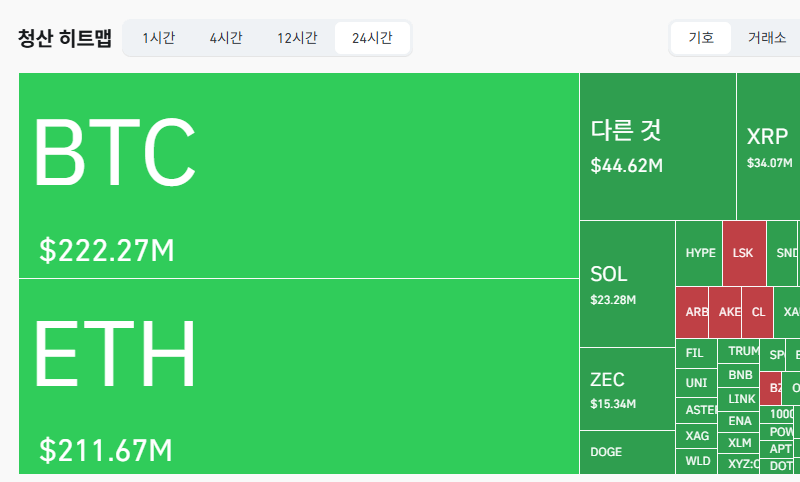
$546.79 million liquidated in 24 hours, 84.39% of it longs
Why it matters: Mass long liquidations add pressure on the market and could accelerate further declines in BTC and ETH.

Fed rate decision due today: market prices 92% odds of a hike to 3.75–4.00%
Why it matters: The rate move is already priced in, so the reaction will come from the dot plot and Warsh's rhetoric on a December hike; key bitcoin support sits at $70,000.

August crypto trading volume rises to $75 billion spot and $336 billion futures
Why it matters: Rising volumes confirm a return of demand, but September's price pullback will show whether traders stay without a fresh rally.

Phemex CEO: AI has become a 'pure negative' for the crypto industry
Why it matters: The rise in AI-driven attacks increases risks for DeFi and self-custody, which could accelerate the centralization of crypto infrastructure.

Fed meeting could be a nightmare for Warsh, but bitcoin may win
Why it matters: The outcome of the Fed meeting will set the direction for bitcoin and the entire crypto market in the coming weeks.

China to enact economic mobilization law on October 1: risks for bitcoin
Why it matters: Escalation around Taiwan and sanctions could trigger a sharp risk-off in crypto, but strengthen bitcoin's long-term safe-haven narrative.

Henrik Zeberg: Bitcoin rally is a 'sucker's rally' within a bear trend
Why it matters: A warning of downside reversal risk: in a US recession Bitcoin could fall alongside risk assets.

MARA Holdings buys 1,292 BTC for $98.6 million
Why it matters: Large corporate purchases by miners support BTC demand and signal to institutions a belief in the asset's long-term value.
Kalshi: Fed rate hike odds rise to 87%, market prices a second hike in December
Why it matters: A more hawkish rate path increases pressure on Bitcoin and risk assets, shaping market dynamics for the coming weeks.

$592.7 million withdrawn from Bitcoin and Ethereum ETFs after CLARITY Act fails
Why it matters: A regulatory delay in the US intensifies outflows of institutional capital from crypto ETFs and weighs on BTC and ETH.

US, UK, Japanese and EU government bond yields hit multi-year highs
Why it matters: Rising government bond yields weigh on risk assets, including Bitcoin, and raise the odds of a hawkish Fed policy.
US Census Bureau: poverty fell to 10.2% in 2025
Why it matters: Strong income data could shift expectations for the Fed rate decision, affecting bitcoin and risk assets.